Peanut butter vs almond butter: Which should you pick?
Peanut butter and almond butter are compared across protein, fats, calories and taste. The choice comes down to health priorities, flavour preference, budget and allergy concerns.
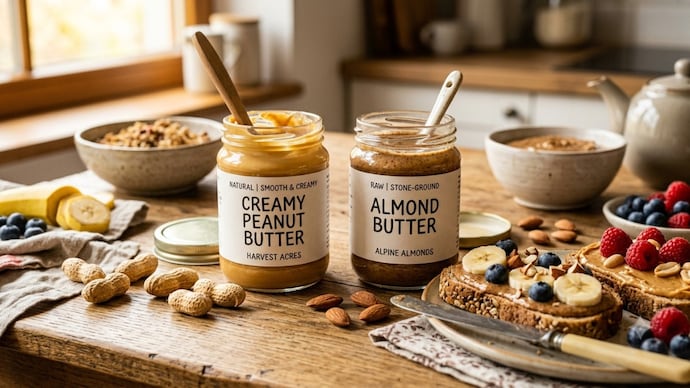
Nut butters have become a staple in many kitchens, especially among fitness enthusiasts and health-conscious consumers. Whether spread on toast, blended into smoothies, or used as a dip, both peanut butter and almond butter offer a convenient way to add protein and healthy fats to your diet. But when it comes to nutrition, taste, and overall benefits, which one deserves a place in your pantry?
Also read: 5 best ways to enjoy peanut butter to try this peanut butter day
Both peanut butter and almond butter are rich in healthy fats, plant-based protein, and essential nutrients. They can help keep you full, provide energy, and support overall health when consumed in moderation.
Peanut butter is typically higher in protein, while almond butter contains more vitamins and minerals such as vitamin E, magnesium, and calcium.
PROTEIN CONTENT
For those focused on muscle building or maintaining an active lifestyle, protein is often a key consideration.
Peanut butter generally contains slightly more protein per serving than almond butter. This makes it a popular choice among gym-goers and athletes looking for an easy protein boost throughout the day.
HEALTHY FATS
Both spreads contain heart-friendly unsaturated fats that may support cardiovascular health.
Almond butter has a slight edge because it contains more monounsaturated fats, which are often associated with improved heart health and cholesterol management.
VITAMINS AND MINERALS
Almond butter stands out for its impressive micronutrient profile. It is particularly rich in vitamin E, an antioxidant that helps protect cells from damage. It also contains higher levels of magnesium, calcium, and iron compared to peanut butter.
Peanut butter still provides important nutrients, including niacin and folate, but almond butter offers a broader range of vitamins and minerals.
CALORIE COMPARISON
The calorie difference between the two is relatively small. Both are calorie-dense foods, which means portion control is important regardless of which one you choose.
If weight management is your goal, focusing on serving size may matter more than choosing one over the other.
TASTE AND TEXTURE
Taste is often the deciding factor for many people.
Peanut butter has a rich, creamy, and slightly sweet flavour that pairs well with sandwiches, fruits, and desserts. Almond butter has a nuttier and more earthy taste that some people find more sophisticated, but others may take time to appreciate.
The better option is ultimately the one you enjoy enough to include regularly in your diet.
FITNESS AND WEIGHT LOSS GOALS
For muscle gain and post-workout snacks, peanut butter's higher protein content can be beneficial.
For those prioritising nutrient density and heart health, almond butter may be the stronger contender due to its vitamin and mineral content.
Neither should be viewed as a miracle food for weight loss, but both can fit into a balanced eating plan.
WHAT ABOUT ALLERGIES?
Peanut allergies are among the most common food allergies worldwide. Some individuals who cannot consume peanuts may tolerate almonds, although nut allergies vary from person to person.
Always consult a healthcare professional if you have concerns about food allergies.
WHICH ONE SHOULD YOU CHOOSE?
CHOOSE PEANUT BUTTER IF
You want slightly more protein
You prefer a classic, familiar taste
You are looking for a budget-friendly option
CHOOSE ALMOND BUTTER IF
You want more vitamins and minerals
Heart health is a priority
You enjoy a richer nutty flavor
There is no clear winner in the peanut butter versus almond butter debate. Peanut butter offers more protein and affordability, while almond butter shines with its nutrient-rich profile and heart-healthy fats. The best choice depends on your nutritional needs, taste preferences, and budget. For many people, enjoying both as part of a balanced diet may be the smartest option of all.
Nut butters have become a staple in many kitchens, especially among fitness enthusiasts and health-conscious consumers. Whether spread on toast, blended into smoothies, or used as a dip, both peanut butter and almond butter offer a convenient way to add protein and healthy fats to your diet. But when it comes to nutrition, taste, and overall benefits, which one deserves a place in your pantry?
Also read: 5 best ways to enjoy peanut butter to try this peanut butter day
Both peanut butter and almond butter are rich in healthy fats, plant-based protein, and essential nutrients. They can help keep you full, provide energy, and support overall health when consumed in moderation.
Peanut butter is typically higher in protein, while almond butter contains more vitamins and minerals such as vitamin E, magnesium, and calcium.
PROTEIN CONTENT
For those focused on muscle building or maintaining an active lifestyle, protein is often a key consideration.
Peanut butter generally contains slightly more protein per serving than almond butter. This makes it a popular choice among gym-goers and athletes looking for an easy protein boost throughout the day.
HEALTHY FATS
Both spreads contain heart-friendly unsaturated fats that may support cardiovascular health.
Almond butter has a slight edge because it contains more monounsaturated fats, which are often associated with improved heart health and cholesterol management.
VITAMINS AND MINERALS
Almond butter stands out for its impressive micronutrient profile. It is particularly rich in vitamin E, an antioxidant that helps protect cells from damage. It also contains higher levels of magnesium, calcium, and iron compared to peanut butter.
Peanut butter still provides important nutrients, including niacin and folate, but almond butter offers a broader range of vitamins and minerals.
CALORIE COMPARISON
The calorie difference between the two is relatively small. Both are calorie-dense foods, which means portion control is important regardless of which one you choose.
If weight management is your goal, focusing on serving size may matter more than choosing one over the other.
TASTE AND TEXTURE
Taste is often the deciding factor for many people.
Peanut butter has a rich, creamy, and slightly sweet flavour that pairs well with sandwiches, fruits, and desserts. Almond butter has a nuttier and more earthy taste that some people find more sophisticated, but others may take time to appreciate.
The better option is ultimately the one you enjoy enough to include regularly in your diet.
FITNESS AND WEIGHT LOSS GOALS
For muscle gain and post-workout snacks, peanut butter's higher protein content can be beneficial.
For those prioritising nutrient density and heart health, almond butter may be the stronger contender due to its vitamin and mineral content.
Neither should be viewed as a miracle food for weight loss, but both can fit into a balanced eating plan.
WHAT ABOUT ALLERGIES?
Peanut allergies are among the most common food allergies worldwide. Some individuals who cannot consume peanuts may tolerate almonds, although nut allergies vary from person to person.
Always consult a healthcare professional if you have concerns about food allergies.
WHICH ONE SHOULD YOU CHOOSE?
CHOOSE PEANUT BUTTER IF
You want slightly more protein
You prefer a classic, familiar taste
You are looking for a budget-friendly option
CHOOSE ALMOND BUTTER IF
You want more vitamins and minerals
Heart health is a priority
You enjoy a richer nutty flavor
There is no clear winner in the peanut butter versus almond butter debate. Peanut butter offers more protein and affordability, while almond butter shines with its nutrient-rich profile and heart-healthy fats. The best choice depends on your nutritional needs, taste preferences, and budget. For many people, enjoying both as part of a balanced diet may be the smartest option of all.

