Is it safe to reheat food more than once? Here's what to know
Food can be reheated more than once, but repeated cooling and warming raises risks. Proper storage, prompt refrigeration and reheating only one portion at a time matter most.
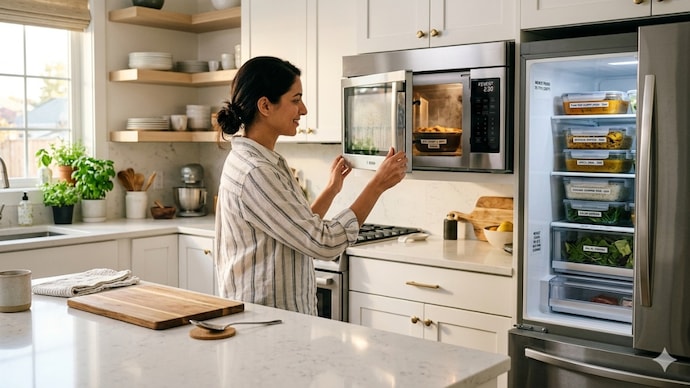
Leftovers can be a lifesaver on busy days, helping reduce food waste and save time in the kitchen. However, many people wonder whether it is safe to reheat food multiple times. While reheating food is generally safe when done correctly, repeatedly cooling and reheating the same meal can increase the risk of foodborne illness and affect the food's quality.
Here's what you need to know about reheating food safely.
Also read: Lemon vs lime: What is the difference and how to use them correctly
CAN YOU REHEAT FOOD MORE THAN ONCE?
Technically, food can be reheated more than once. However, food safety experts generally recommend reheating only the portion you plan to eat rather than reheating the entire batch repeatedly.
Every time food is cooled and reheated, it passes through temperatures where bacteria can multiply if not handled properly.
WHY REPEATED REHEATING CAN BE A PROBLEM
The main concern is not the reheating itself but the way food is stored between reheating sessions.
POTENTIAL RISKS
Increased bacterial growth if food is left out too long
Greater chance of food contamination
Loss of texture and flavour
Reduced nutritional quality over time
The more often food moves between hot and cold temperatures, the greater the risk of safety issues.
WHICH FOODS REQUIRE EXTRA CAUTION?
Some foods are more susceptible to bacterial growth than others.
FOODS TO HANDLE CAREFULLY
- advertisement
Cooked rice
Chicken and other poultry
Seafood
Eggs
Dairy-based dishes
Cooked meats
These foods should be refrigerated promptly and reheated thoroughly before consumption.
HOW TO REHEAT FOOD SAFELY
Proper reheating can help minimise risks.
FOLLOW THESE TIPS
Refrigerate leftovers within two hours of cooking
Store food in airtight containers
Reheat only the amount you plan to eat
Ensure food is steaming hot throughout
Stir soups, curries, and gravies while reheating
Avoid leaving reheated food at room temperature
WHAT ABOUT MICROWAVE REHEATING?
Microwaves are convenient, but they can heat food unevenly.
TO IMPROVE SAFETY
Stir food midway through heating
Allow food to stand for a minute after heating
Ensure there are no cold spots before eating
This helps ensure that the entire dish reaches a safe temperature.
SIGNS YOU SHOULD THROW FOOD AWAY
Not all leftovers are worth saving.
DISCARD FOOD IF IT
Has an unusual smell
Shows signs of mould
Has changed colour significantly
Has been left unrefrigerated for several hours
Has been stored in the fridge for too many days
When in doubt, it is safer to throw it out.
HOW LONG CAN LEFTOVERS STAY IN THE FRIDGE?
Most cooked foods can be safely stored in the refrigerator for a few days if kept properly chilled.
Generally, leftovers are best consumed within three to four days for both safety and quality reasons.
BEST PRACTICE FOR LEFTOVERS
Instead of reheating the same container multiple times, divide leftovers into smaller portions before storing them. This allows you to reheat only what you need and reduces the number of temperature changes the food experiences.
Reheating food more than once is possible, but it is not always the safest option. The key is proper storage, prompt refrigeration, and thorough reheating. To reduce food safety risks, reheat only the portion you intend to eat and avoid repeatedly warming and cooling the same dish. Following these simple practices can help you enjoy leftovers safely while reducing food waste
Leftovers can be a lifesaver on busy days, helping reduce food waste and save time in the kitchen. However, many people wonder whether it is safe to reheat food multiple times. While reheating food is generally safe when done correctly, repeatedly cooling and reheating the same meal can increase the risk of foodborne illness and affect the food's quality.
Here's what you need to know about reheating food safely.
Also read: Lemon vs lime: What is the difference and how to use them correctly
CAN YOU REHEAT FOOD MORE THAN ONCE?
Technically, food can be reheated more than once. However, food safety experts generally recommend reheating only the portion you plan to eat rather than reheating the entire batch repeatedly.
Every time food is cooled and reheated, it passes through temperatures where bacteria can multiply if not handled properly.
WHY REPEATED REHEATING CAN BE A PROBLEM
The main concern is not the reheating itself but the way food is stored between reheating sessions.
POTENTIAL RISKS
Increased bacterial growth if food is left out too long
Greater chance of food contamination
Loss of texture and flavour
Reduced nutritional quality over time
The more often food moves between hot and cold temperatures, the greater the risk of safety issues.
WHICH FOODS REQUIRE EXTRA CAUTION?
Some foods are more susceptible to bacterial growth than others.
FOODS TO HANDLE CAREFULLY
Cooked rice
Chicken and other poultry
Seafood
Eggs
Dairy-based dishes
Cooked meats
These foods should be refrigerated promptly and reheated thoroughly before consumption.
HOW TO REHEAT FOOD SAFELY
Proper reheating can help minimise risks.
FOLLOW THESE TIPS
Refrigerate leftovers within two hours of cooking
Store food in airtight containers
Reheat only the amount you plan to eat
Ensure food is steaming hot throughout
Stir soups, curries, and gravies while reheating
Avoid leaving reheated food at room temperature
WHAT ABOUT MICROWAVE REHEATING?
Microwaves are convenient, but they can heat food unevenly.
TO IMPROVE SAFETY
Stir food midway through heating
Allow food to stand for a minute after heating
Ensure there are no cold spots before eating
This helps ensure that the entire dish reaches a safe temperature.
SIGNS YOU SHOULD THROW FOOD AWAY
Not all leftovers are worth saving.
DISCARD FOOD IF IT
Has an unusual smell
Shows signs of mould
Has changed colour significantly
Has been left unrefrigerated for several hours
Has been stored in the fridge for too many days
When in doubt, it is safer to throw it out.
HOW LONG CAN LEFTOVERS STAY IN THE FRIDGE?
Most cooked foods can be safely stored in the refrigerator for a few days if kept properly chilled.
Generally, leftovers are best consumed within three to four days for both safety and quality reasons.
BEST PRACTICE FOR LEFTOVERS
Instead of reheating the same container multiple times, divide leftovers into smaller portions before storing them. This allows you to reheat only what you need and reduces the number of temperature changes the food experiences.
Reheating food more than once is possible, but it is not always the safest option. The key is proper storage, prompt refrigeration, and thorough reheating. To reduce food safety risks, reheat only the portion you intend to eat and avoid repeatedly warming and cooling the same dish. Following these simple practices can help you enjoy leftovers safely while reducing food waste

