Science behind Indian cooking techniques: Secrets every chef should know
Indian cooking blends tradition with technique, where methods like tempering, roasting, and slow cooking unlock deep flavors. Each step is guided by heat, timing, and balance, turning simple ingredients into layered, expressive dishes rooted in both science and heritage.
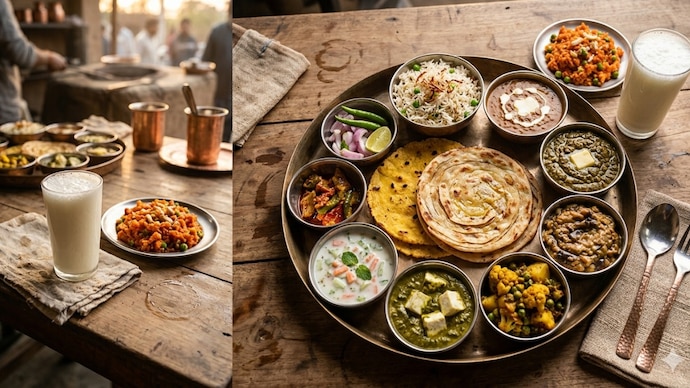
It often begins not with ambition, but with a question, why does this work? A young cook watches spices crackle in hot oil, noticing how aroma blooms instantly. What seems like a simple act is actually the release of essential oils, a transformation driven by heat and timing. Indian kitchens are full of such moments, where curiosity turns everyday cooking into a study of science.
THE MAGIC OF TEMPERING (TADKA)
Tempering, or tadka, is more than just a finishing touch. When mustard seeds, cumin, or garlic hit hot oil, they undergo rapid chemical changes. This process releases fat-soluble flavour compounds, intensifying both aroma and taste.
The order, temperature, and timing all matter, too early, and flavours burn; too late, and they remain muted. Precision is what makes the difference.
Indian spices are often layered thoughtfully, not randomly. Turmeric brings anti-inflammatory properties, while cumin aids digestion. Beyond health, each spice interacts differently with heat and moisture.
Dry roasting enhances depth, while slow cooking blends flavours seamlessly. Understanding how spices behave allows chefs to build complexity without overwhelming the dish.
THE ART OF SLOW COOKING
Many traditional Indian dishes rely on slow cooking, allowing flavours to develop gradually. This technique breaks down proteins, softens fibers, and creates rich textures.
Whether it’s a simmering curry or a slow-cooked dal, time acts as an invisible ingredient, binding everything together into a cohesive whole.
"For me, tradition is non-negotiable. The core flavours, techniques, and soul of Punjabi cuisine must remain intact. At the same time, as a chef, it’s my responsibility to present these flavours in a way that resonates with today’s diners through thoughtful plating and refined techniques.
The idea is to elevate traditions instead of altering them so that it speaks comfortably to modern taste buds while staying true to its roots, says Chef Harpal Singh Sokhi, Chefpreneur and Mentor, Karigari.
He adds that the biggest challenge is perception. Punjabi food is often boxed into being heavy or one-dimensional. The real task is to bring forgotten recipes and culinary arts back into the spotlight, present them in a gourmet format, and tell their story correctly.
When authenticity is paired with clarity and finesse, diners begin to see the depth and diversity of the cuisine. That’s how relevance is created without compromising legacy.
HEAT CONTROL: THE UNSPOKEN SKILL
Indian cooking is deeply rooted in managing heat. From high-heat searing in a kadhai to gentle simmering in a handi, each method serves a purpose.
Controlling heat ensures that spices release their full potential without burning, and that ingredients cook evenly while retaining their integrity.
A well-made Indian dish is not just about flavour, it’s about balance. Creaminess from dairy, crunch from tempering, softness from slow-cooked grains, each element plays a role.
Achieving this balance requires understanding how ingredients react under different conditions, creating harmony on the plate.
What makes Indian cooking truly remarkable is that much of its science was discovered through tradition, long before it was explained in textbooks.
Generations passed down techniques based on observation and experience. Today, chefs have the opportunity to understand the “why” behind these methods, making them more precise and adaptable.
At its core, the science behind Indian cooking is about respect, respect for ingredients, for technique, and for time. When chefs embrace both tradition and understanding, they don’t just cook meals, they create experiences rooted in knowledge and heritage.
It often begins not with ambition, but with a question, why does this work? A young cook watches spices crackle in hot oil, noticing how aroma blooms instantly. What seems like a simple act is actually the release of essential oils, a transformation driven by heat and timing. Indian kitchens are full of such moments, where curiosity turns everyday cooking into a study of science.
THE MAGIC OF TEMPERING (TADKA)
Tempering, or tadka, is more than just a finishing touch. When mustard seeds, cumin, or garlic hit hot oil, they undergo rapid chemical changes. This process releases fat-soluble flavour compounds, intensifying both aroma and taste.
The order, temperature, and timing all matter, too early, and flavours burn; too late, and they remain muted. Precision is what makes the difference.
Indian spices are often layered thoughtfully, not randomly. Turmeric brings anti-inflammatory properties, while cumin aids digestion. Beyond health, each spice interacts differently with heat and moisture.
Dry roasting enhances depth, while slow cooking blends flavours seamlessly. Understanding how spices behave allows chefs to build complexity without overwhelming the dish.
THE ART OF SLOW COOKING
Many traditional Indian dishes rely on slow cooking, allowing flavours to develop gradually. This technique breaks down proteins, softens fibers, and creates rich textures.
Whether it’s a simmering curry or a slow-cooked dal, time acts as an invisible ingredient, binding everything together into a cohesive whole.
"For me, tradition is non-negotiable. The core flavours, techniques, and soul of Punjabi cuisine must remain intact. At the same time, as a chef, it’s my responsibility to present these flavours in a way that resonates with today’s diners through thoughtful plating and refined techniques.
The idea is to elevate traditions instead of altering them so that it speaks comfortably to modern taste buds while staying true to its roots, says Chef Harpal Singh Sokhi, Chefpreneur and Mentor, Karigari.
He adds that the biggest challenge is perception. Punjabi food is often boxed into being heavy or one-dimensional. The real task is to bring forgotten recipes and culinary arts back into the spotlight, present them in a gourmet format, and tell their story correctly.
When authenticity is paired with clarity and finesse, diners begin to see the depth and diversity of the cuisine. That’s how relevance is created without compromising legacy.
HEAT CONTROL: THE UNSPOKEN SKILL
Indian cooking is deeply rooted in managing heat. From high-heat searing in a kadhai to gentle simmering in a handi, each method serves a purpose.
Controlling heat ensures that spices release their full potential without burning, and that ingredients cook evenly while retaining their integrity.
A well-made Indian dish is not just about flavour, it’s about balance. Creaminess from dairy, crunch from tempering, softness from slow-cooked grains, each element plays a role.
Achieving this balance requires understanding how ingredients react under different conditions, creating harmony on the plate.
What makes Indian cooking truly remarkable is that much of its science was discovered through tradition, long before it was explained in textbooks.
Generations passed down techniques based on observation and experience. Today, chefs have the opportunity to understand the “why” behind these methods, making them more precise and adaptable.
At its core, the science behind Indian cooking is about respect, respect for ingredients, for technique, and for time. When chefs embrace both tradition and understanding, they don’t just cook meals, they create experiences rooted in knowledge and heritage.

