Sutlej, Brahmaputra, Indus, Ganga: Cross-border rivers of India explained
India shares several transboundary rivers with neighbouring countries. Here's a simple guide to the major river systems, the countries they flow through, and why they are important.
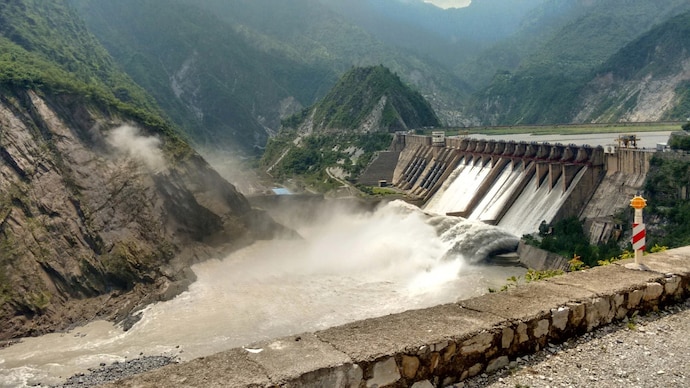
India is home to several transboundary rivers that flow across international borders or form natural boundaries with neighbouring countries. These rivers are vital for agriculture, drinking water, hydropower generation and ecosystems, while also playing a major role in India's diplomatic relations.
The country's most important transboundary rivers of India are shared with Bangladesh, China, Pakistan and Nepal, making cooperation on water sharing essential for millions of people living along their banks.
Here's a simple country-wise guide to these shared river systems.
WHAT ARE TRANSBOUNDARY RIVERS?
Transboundary rivers are rivers that cross international borders or form boundaries between two or more countries. Since they are shared by multiple nations, their management often requires cooperation through treaties and water-sharing agreements.
INDIA-BANGLADESH TRANSBOUNDARY RIVERS
India and Bangladesh share 54 rivers, making it one of the world's largest shared river networks. Some of the major rivers include:
- Ganga (known as the Padma in Bangladesh)
- Teesta
- Feni
- Kushiyara
- Brahmaputra-Jamuna
- Meghna
INDIA-CHINA TRANSBOUNDARY RIVERS
India shares two major river systems with China:
- Brahmaputra River System (known as Yarlung Tsangpo in Tibet)
- Indus River System, including the Sutlej
Since these rivers originate in the Tibetan Plateau, China is the upper riparian country, making water management strategically important.
INDIA-PAKISTAN TRANSBOUNDARY RIVERS
The Indus River System is governed by the Indus Waters Treaty (1960).
Major rivers include:
- Indus
- Jhelum
- Chenab
- Ravi
- Beas
- Sutlej
However, following the Pahalgam terror attack and Operation Sindoor in 2025, India announced that the Indus Waters Treaty (1960) would be kept in abeyance until Pakistan takes credible and irreversible steps against cross-border terrorism.
This marked the first time India formally suspended the treaty's implementation.
INDIA-NEPAL TRANSBOUNDARY RIVERS
Some of the key rivers shared by India and Nepal are:
- Kosi
- Gandak (Narayani)
- Sharda/Kali (Mahakali)
- Rapti
Most of these rivers originate in the Himalayas and play an important role in irrigation, agriculture and flood management in northern India and Nepal.
ALSO READ: Removed from OTT, still everywhere: How Telegram keeps ...
WHY ARE TRANSBOUNDARY RIVERS IMPORTANT?
Shared rivers are much more than geographical features. They provide drinking water to millions of people, support agriculture through irrigation, generate hydroelectric power and help manage floods across regions.
These rivers also play an important role in trade, livelihoods and environmental conservation. Since they flow across international borders, they require cooperation between neighbouring countries to ensure fair and sustainable use of water resources.
As climate change, population growth and rising water demand put increasing pressure on river systems, effective water-sharing agreements and joint river management have become more important than ever for ensuring long-term water security and regional stability.
India is home to several transboundary rivers that flow across international borders or form natural boundaries with neighbouring countries. These rivers are vital for agriculture, drinking water, hydropower generation and ecosystems, while also playing a major role in India's diplomatic relations.
The country's most important transboundary rivers of India are shared with Bangladesh, China, Pakistan and Nepal, making cooperation on water sharing essential for millions of people living along their banks.
Here's a simple country-wise guide to these shared river systems.
WHAT ARE TRANSBOUNDARY RIVERS?
Transboundary rivers are rivers that cross international borders or form boundaries between two or more countries. Since they are shared by multiple nations, their management often requires cooperation through treaties and water-sharing agreements.
INDIA-BANGLADESH TRANSBOUNDARY RIVERS
India and Bangladesh share 54 rivers, making it one of the world's largest shared river networks. Some of the major rivers include:
- Ganga (known as the Padma in Bangladesh)
- Teesta
- Feni
- Kushiyara
- Brahmaputra-Jamuna
- Meghna
INDIA-CHINA TRANSBOUNDARY RIVERS
India shares two major river systems with China:
- Brahmaputra River System (known as Yarlung Tsangpo in Tibet)
- Indus River System, including the Sutlej
Since these rivers originate in the Tibetan Plateau, China is the upper riparian country, making water management strategically important.
INDIA-PAKISTAN TRANSBOUNDARY RIVERS
The Indus River System is governed by the Indus Waters Treaty (1960).
Major rivers include:
- Indus
- Jhelum
- Chenab
- Ravi
- Beas
- Sutlej
However, following the Pahalgam terror attack and Operation Sindoor in 2025, India announced that the Indus Waters Treaty (1960) would be kept in abeyance until Pakistan takes credible and irreversible steps against cross-border terrorism.
This marked the first time India formally suspended the treaty's implementation.
INDIA-NEPAL TRANSBOUNDARY RIVERS
Some of the key rivers shared by India and Nepal are:
- Kosi
- Gandak (Narayani)
- Sharda/Kali (Mahakali)
- Rapti
Most of these rivers originate in the Himalayas and play an important role in irrigation, agriculture and flood management in northern India and Nepal.
ALSO READ: Removed from OTT, still everywhere: How Telegram keeps ...
WHY ARE TRANSBOUNDARY RIVERS IMPORTANT?
Shared rivers are much more than geographical features. They provide drinking water to millions of people, support agriculture through irrigation, generate hydroelectric power and help manage floods across regions.
These rivers also play an important role in trade, livelihoods and environmental conservation. Since they flow across international borders, they require cooperation between neighbouring countries to ensure fair and sustainable use of water resources.
As climate change, population growth and rising water demand put increasing pressure on river systems, effective water-sharing agreements and joint river management have become more important than ever for ensuring long-term water security and regional stability.

