How to dry wet shoes quickly during the monsoon
Simple household methods can help dry wet shoes after monsoon downpours and waterlogged commutes. The advice focuses on preventing odour, mould and material damage during the rainy season.
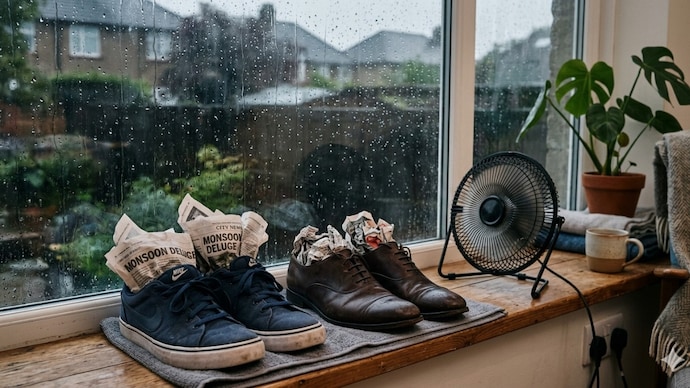
Monsoon showers can be refreshing, but they often leave behind one annoying problem: wet shoes. Whether you've been caught in an unexpected downpour or had to walk through waterlogged streets, damp footwear can be uncomfortable, smelly, and even prone to mould growth if not dried properly.
Fortunately, there are several simple ways to dry your shoes quickly and keep them in good condition throughout the rainy season.
Also read: Noida, Greater Noida get new electric bus links to Jewar Airport
REMOVE EXCESS WATER FIRST
The moment you get home, take off your shoes and shake out any excess water. If possible, use a dry towel to absorb moisture from both the inside and outside of the shoes.
The quicker you remove excess water, the faster the drying process will be.
TAKE OUT THE INSOLES AND LACES
Insoles and laces tend to hold moisture for longer periods. Removing them allows air to circulate more freely and helps each component dry separately.
This simple step can significantly reduce drying time.
STUFF YOUR SHOES WITH NEWSPAPER
One of the oldest and most effective tricks is to stuff shoes with newspaper or paper towels. The paper absorbs moisture trapped inside the footwear.
Replace the paper every few hours if it becomes damp to speed up the drying process.
USE A FAN FOR BETTER AIRFLOW
Good airflow is essential for drying wet shoes. Place them near a fan or in a well-ventilated room to encourage moisture evaporation.
A steady flow of air is often safer and more effective than exposing shoes to direct heat.
AVOID DIRECT SUNLIGHT FOR CERTAIN MATERIALS
While sunlight can help dry shoes, prolonged exposure may damage certain materials, fade colours, or cause cracking.
Leather and synthetic footwear are particularly vulnerable to excessive heat.
DON'T USE HIGH HEAT
Using a hair dryer on a high setting or placing shoes near heaters may seem like a quick fix, but it can weaken adhesives and damage fabrics.
Instead, allow shoes to dry gradually using natural airflow.
TRY SILICA GEL PACKETS
Silica gel packets, often found in product packaging, are excellent moisture absorbers. Placing a few inside your shoes can help draw out water more quickly.
They are especially useful for shoes made from delicate materials.
USE THE RICE METHOD IN A PINCH
If you're in a hurry, placing shoes in a container filled with uncooked rice may help absorb moisture. While not always the fastest solution, it can assist in reducing dampness.
KEEP ODOURS AWAY
Wet shoes can develop unpleasant smells if not dried properly. Once dry, sprinkle a small amount of baking soda inside the shoes and leave it overnight.
This can help absorb lingering odours and keep footwear fresh.
CHOOSE MONSOON-FRIENDLY FOOTWEAR
If you frequently travel during the rainy season, consider footwear made from quick-drying materials. Waterproof sandals and water-resistant shoes can be more practical than heavy fabrics or suede.
Wet shoes are a common monsoon problem, but proper drying techniques can help prevent damage, odours, and discomfort. By removing excess water, improving airflow, and avoiding direct heat, you can dry your shoes faster and extend their lifespan. A little care during the rainy season can go a long way in keeping your footwear fresh and ready for the next downpour.
Monsoon showers can be refreshing, but they often leave behind one annoying problem: wet shoes. Whether you've been caught in an unexpected downpour or had to walk through waterlogged streets, damp footwear can be uncomfortable, smelly, and even prone to mould growth if not dried properly.
Fortunately, there are several simple ways to dry your shoes quickly and keep them in good condition throughout the rainy season.
Also read: Noida, Greater Noida get new electric bus links to Jewar Airport
REMOVE EXCESS WATER FIRST
The moment you get home, take off your shoes and shake out any excess water. If possible, use a dry towel to absorb moisture from both the inside and outside of the shoes.
The quicker you remove excess water, the faster the drying process will be.
TAKE OUT THE INSOLES AND LACES
Insoles and laces tend to hold moisture for longer periods. Removing them allows air to circulate more freely and helps each component dry separately.
This simple step can significantly reduce drying time.
STUFF YOUR SHOES WITH NEWSPAPER
One of the oldest and most effective tricks is to stuff shoes with newspaper or paper towels. The paper absorbs moisture trapped inside the footwear.
Replace the paper every few hours if it becomes damp to speed up the drying process.
USE A FAN FOR BETTER AIRFLOW
Good airflow is essential for drying wet shoes. Place them near a fan or in a well-ventilated room to encourage moisture evaporation.
A steady flow of air is often safer and more effective than exposing shoes to direct heat.
AVOID DIRECT SUNLIGHT FOR CERTAIN MATERIALS
While sunlight can help dry shoes, prolonged exposure may damage certain materials, fade colours, or cause cracking.
Leather and synthetic footwear are particularly vulnerable to excessive heat.
DON'T USE HIGH HEAT
Using a hair dryer on a high setting or placing shoes near heaters may seem like a quick fix, but it can weaken adhesives and damage fabrics.
Instead, allow shoes to dry gradually using natural airflow.
TRY SILICA GEL PACKETS
Silica gel packets, often found in product packaging, are excellent moisture absorbers. Placing a few inside your shoes can help draw out water more quickly.
They are especially useful for shoes made from delicate materials.
USE THE RICE METHOD IN A PINCH
If you're in a hurry, placing shoes in a container filled with uncooked rice may help absorb moisture. While not always the fastest solution, it can assist in reducing dampness.
KEEP ODOURS AWAY
Wet shoes can develop unpleasant smells if not dried properly. Once dry, sprinkle a small amount of baking soda inside the shoes and leave it overnight.
This can help absorb lingering odours and keep footwear fresh.
CHOOSE MONSOON-FRIENDLY FOOTWEAR
If you frequently travel during the rainy season, consider footwear made from quick-drying materials. Waterproof sandals and water-resistant shoes can be more practical than heavy fabrics or suede.
Wet shoes are a common monsoon problem, but proper drying techniques can help prevent damage, odours, and discomfort. By removing excess water, improving airflow, and avoiding direct heat, you can dry your shoes faster and extend their lifespan. A little care during the rainy season can go a long way in keeping your footwear fresh and ready for the next downpour.

