Why does your hair stop growing after a certain length?
If you've ever wondered why your hair doesn't keep growing forever, the answer lies in its natural growth cycle. Genetics, hair health and everyday habits all play a role in determining its maximum length.
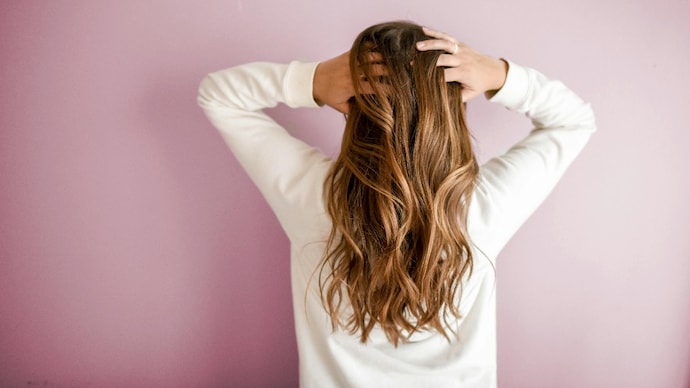
Many people wish they could grow their hair much longer, but it often seems to stop growing after reaching a certain length. In reality, hair doesn't suddenly stop growing. Instead, each strand follows a natural growth cycle that determines how long it can continue to grow before it falls out.
While good hair care can help reduce breakage, the maximum length your hair can achieve is largely influenced by genetics.
HOW HAIR GROWS
Hair grows from tiny structures called hair follicles located beneath the scalp. Each strand goes through a continuous cycle made up of three stages.
The first stage is the anagen phase, during which hair actively grows. This is followed by the catagen phase, a short transition period when growth slows.
Finally, hair enters the telogen phase, where it rests before naturally shedding. After a strand falls out, a new one begins growing from the same follicle.
WHY HAIR REACHES A MAXIMUM LENGTH
The amount of time a hair strand spends in its active growth phase determines how long it can become. Since this growth period varies from person to person, everyone's maximum hair length is different.
For some people, the growth phase lasts only a few years, while for others it continues much longer. This is why some individuals can easily grow waist-length hair, while others find it difficult to grow their hair beyond their shoulders.
WHY YOUR HAIR MAY LOOK LIKE IT HAS STOPPED GROWING
In many cases, hair is still growing but doesn't appear to get longer because the ends break or split at the same rate as new growth.
Frequent heat styling, colouring, chemical treatments, rough brushing and poor nutrition can weaken hair strands, making them more prone to breakage. As a result, it may seem like hair growth has stalled even though new hair continues to grow from the roots.
ALSO READ: Why scalp health is the key to stronger, healthier hair
HOW TO KEEP YOUR HAIR HEALTHY
Although you can't change your natural hair growth cycle, healthy habits can help you retain more length.
Eating a balanced diet with enough protein, keeping your scalp clean, avoiding excessive heat styling and reducing harsh chemical treatments can improve overall hair health.
Regular trims may also help remove split ends before they travel further up the hair shaft.
With proper care, your hair is more likely to reach its natural maximum length while looking healthier and stronger.
Many people wish they could grow their hair much longer, but it often seems to stop growing after reaching a certain length. In reality, hair doesn't suddenly stop growing. Instead, each strand follows a natural growth cycle that determines how long it can continue to grow before it falls out.
While good hair care can help reduce breakage, the maximum length your hair can achieve is largely influenced by genetics.
HOW HAIR GROWS
Hair grows from tiny structures called hair follicles located beneath the scalp. Each strand goes through a continuous cycle made up of three stages.
The first stage is the anagen phase, during which hair actively grows. This is followed by the catagen phase, a short transition period when growth slows.
Finally, hair enters the telogen phase, where it rests before naturally shedding. After a strand falls out, a new one begins growing from the same follicle.
WHY HAIR REACHES A MAXIMUM LENGTH
The amount of time a hair strand spends in its active growth phase determines how long it can become. Since this growth period varies from person to person, everyone's maximum hair length is different.
For some people, the growth phase lasts only a few years, while for others it continues much longer. This is why some individuals can easily grow waist-length hair, while others find it difficult to grow their hair beyond their shoulders.
WHY YOUR HAIR MAY LOOK LIKE IT HAS STOPPED GROWING
In many cases, hair is still growing but doesn't appear to get longer because the ends break or split at the same rate as new growth.
Frequent heat styling, colouring, chemical treatments, rough brushing and poor nutrition can weaken hair strands, making them more prone to breakage. As a result, it may seem like hair growth has stalled even though new hair continues to grow from the roots.
ALSO READ: Why scalp health is the key to stronger, healthier hair
HOW TO KEEP YOUR HAIR HEALTHY
Although you can't change your natural hair growth cycle, healthy habits can help you retain more length.
Eating a balanced diet with enough protein, keeping your scalp clean, avoiding excessive heat styling and reducing harsh chemical treatments can improve overall hair health.
Regular trims may also help remove split ends before they travel further up the hair shaft.
With proper care, your hair is more likely to reach its natural maximum length while looking healthier and stronger.

