Why Queen Victoria disliked Buckingham Palace despite making it a royal home
Buckingham Palace may be Britain's most famous royal residence today, but Queen Victoria wasn't impressed when she first moved in. Here's why the palace failed to feel like a home.
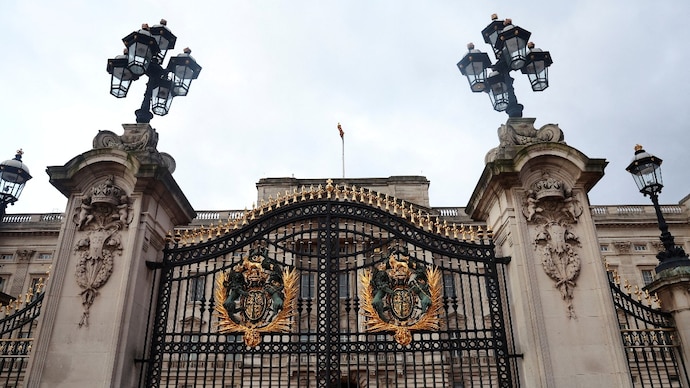
Today, Buckingham Palace is one of the world's best-known royal residences and a symbol of the British monarchy. But when Queen Victoria became the first monarch to use it as her main royal residence in 1837, she wasn't happy with what she found. Instead of a grand and comfortable home, the palace was damp, poorly organised and in need of major improvements.
It took years of work before Buckingham Palace became the royal landmark recognised across the world today. The renewed interest in the palace also comes as its long-running renovation project nears completion.
A PALACE THAT NEEDED A LOT OF WORK
Although Buckingham Palace is now closely linked with the British royal family, it was not originally built as an official royal residence. When Queen Victoria moved in after becoming monarch, the building had several practical problems.
Reports from historians describe the palace as cold, damp, poorly ventilated and badly managed. Even basic household arrangements were far from ideal, making it an uncomfortable place to live.
PRINCE ALBERT HELPED TRANSFORM THE PALACE
Queen Victoria's husband, Prince Albert, played a major role in improving Buckingham Palace. He reorganised the household, improved the building's management and pushed for changes that made the palace more suitable as both a family home and the centre of royal administration.
Many historians credit Prince Albert with helping turn Buckingham Palace into what later became known as the headquarters of the British monarchy.
AFTER ALBERT'S DEATH, VICTORIA SPENT LESS TIME THERE
Prince Albert died in 1861, and Queen Victoria largely withdrew from public life afterwards. She spent much of her time at other royal residences, including Windsor Castle, Balmoral Castle and Osborne House, visiting Buckingham Palace less frequently.
ALSO READ: Indian Railways to run 300+ special trains for Rath Yatra 2026
THE PALACE CONTINUES TO EVOLVE
Buckingham Palace remains the official administrative centre of the British monarchy, but it is still changing. The building is currently undergoing a major refurbishment, expected to be completed in 2027.
Even after the work is finished, King Charles III and Queen Camilla are expected to continue living at Clarence House instead of moving into the palace.
Officials have said this will also allow greater public access to Buckingham Palace while it continues to host state events and official ceremonies.
Today, Buckingham Palace is one of the world's best-known royal residences and a symbol of the British monarchy. But when Queen Victoria became the first monarch to use it as her main royal residence in 1837, she wasn't happy with what she found. Instead of a grand and comfortable home, the palace was damp, poorly organised and in need of major improvements.
It took years of work before Buckingham Palace became the royal landmark recognised across the world today. The renewed interest in the palace also comes as its long-running renovation project nears completion.
A PALACE THAT NEEDED A LOT OF WORK
Although Buckingham Palace is now closely linked with the British royal family, it was not originally built as an official royal residence. When Queen Victoria moved in after becoming monarch, the building had several practical problems.
Reports from historians describe the palace as cold, damp, poorly ventilated and badly managed. Even basic household arrangements were far from ideal, making it an uncomfortable place to live.
PRINCE ALBERT HELPED TRANSFORM THE PALACE
Queen Victoria's husband, Prince Albert, played a major role in improving Buckingham Palace. He reorganised the household, improved the building's management and pushed for changes that made the palace more suitable as both a family home and the centre of royal administration.
Many historians credit Prince Albert with helping turn Buckingham Palace into what later became known as the headquarters of the British monarchy.
AFTER ALBERT'S DEATH, VICTORIA SPENT LESS TIME THERE
Prince Albert died in 1861, and Queen Victoria largely withdrew from public life afterwards. She spent much of her time at other royal residences, including Windsor Castle, Balmoral Castle and Osborne House, visiting Buckingham Palace less frequently.
ALSO READ: Indian Railways to run 300+ special trains for Rath Yatra 2026
THE PALACE CONTINUES TO EVOLVE
Buckingham Palace remains the official administrative centre of the British monarchy, but it is still changing. The building is currently undergoing a major refurbishment, expected to be completed in 2027.
Even after the work is finished, King Charles III and Queen Camilla are expected to continue living at Clarence House instead of moving into the palace.
Officials have said this will also allow greater public access to Buckingham Palace while it continues to host state events and official ceremonies.

