Wooden vs plastic chopping boards: Which is better?
A comparison of wooden and plastic chopping boards lays out their strengths and weaknesses in everyday kitchen use. The choice comes down to hygiene habits, knife care, maintenance needs and the foods being prepared.
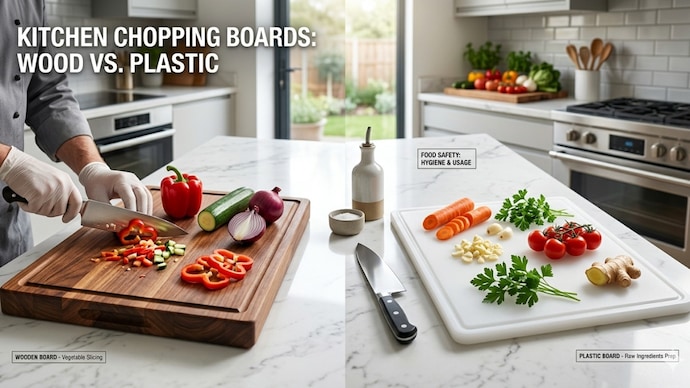
A chopping board is one of the most-used tools in any kitchen, but choosing the right one can have a significant impact on food safety, durability, and convenience. Wooden and plastic chopping boards are the two most popular options, each with its own advantages and drawbacks.
So, which one deserves a place in your kitchen? Here's a closer look.
WOODEN CHOPPING BOARDS
Wooden chopping boards have been used for generations and remain a favourite among home cooks and professional chefs alike. They are typically made from hardwoods such as maple, teak, or oak.
Also read: How to make protein coffee at home
PROS OF WOODEN CHOPPING BOARDS
Gentle on knife blades, helping them stay sharper for longer.
Durable and long-lasting when properly maintained.
Naturally attractive and can double as serving boards.
Less likely to develop deep knife grooves quickly.
CONS OF WOODEN CHOPPING BOARDS
Require regular oiling and maintenance.
Cannot be placed in a dishwasher.
May absorb moisture if not cleaned and dried properly.
Usually more expensive than plastic alternatives.
PLASTIC CHOPPING BOARDS
Plastic chopping boards are lightweight, affordable, and widely available. They are commonly used in households because they are easy to clean and maintain.
PROS OF PLASTIC CHOPPING BOARDS
Budget-friendly and easy to replace.
Dishwasher-safe in most cases.
Available in different colours for separating food types.
Lightweight and convenient for daily use.
CONS OF PLASTIC CHOPPING BOARDS
Can develop deep cuts and grooves over time.
Knife marks may trap food particles and bacteria.
Tend to wear out faster than wooden boards.
Less environmentally friendly if frequently replaced.
WHICH OPTION IS MORE HYGIENIC?
Many people assume plastic boards are more hygienic because they can be washed in a dishwasher. However, hygiene depends largely on cleaning habits.
Wooden boards have natural properties that can help reduce bacterial survival on the surface, while plastic boards can harbour bacteria in deep knife cuts if not replaced regularly. Regardless of the material, thorough cleaning after each use is essential.
WHAT ABOUT KNIFE CARE?
If protecting your knives is a priority, wooden chopping boards generally have an advantage. Their softer surface reduces wear on knife edges, helping blades maintain sharpness for longer.
Plastic boards are slightly harder on knives and may contribute to faster dulling with heavy use.
WHICH BOARD IS BEST FOR DIFFERENT FOODS?
Many kitchen experts recommend using separate boards for different ingredients.
Wooden boards are ideal for vegetables, fruits, bread, and serving cheese or snacks.
Plastic boards are often preferred for raw meat, poultry, and seafood because they can be sanitised easily in a dishwasher.
Using colour-coded plastic boards can also help prevent cross-contamination.
DURABILITY AND MAINTENANCE
A quality wooden chopping board can last for years with proper care, including occasional oiling and immediate drying after washing.
Plastic boards require less maintenance but may need replacement once deep grooves and scratches become visible.
There is no one-size-fits-all winner. Wooden chopping boards offer durability, knife-friendliness, and a premium look, while plastic chopping boards score points for affordability, convenience, and easy cleaning.
For the best of both worlds, many home cooks keep both in their kitchen: a wooden board for everyday chopping and a plastic board for handling raw meat and seafood. This combination provides convenience, safety, and long-term value.
A chopping board is one of the most-used tools in any kitchen, but choosing the right one can have a significant impact on food safety, durability, and convenience. Wooden and plastic chopping boards are the two most popular options, each with its own advantages and drawbacks.
So, which one deserves a place in your kitchen? Here's a closer look.
WOODEN CHOPPING BOARDS
Wooden chopping boards have been used for generations and remain a favourite among home cooks and professional chefs alike. They are typically made from hardwoods such as maple, teak, or oak.
Also read: How to make protein coffee at home
PROS OF WOODEN CHOPPING BOARDS
Gentle on knife blades, helping them stay sharper for longer.
Durable and long-lasting when properly maintained.
Naturally attractive and can double as serving boards.
Less likely to develop deep knife grooves quickly.
CONS OF WOODEN CHOPPING BOARDS
Require regular oiling and maintenance.
Cannot be placed in a dishwasher.
May absorb moisture if not cleaned and dried properly.
Usually more expensive than plastic alternatives.
PLASTIC CHOPPING BOARDS
Plastic chopping boards are lightweight, affordable, and widely available. They are commonly used in households because they are easy to clean and maintain.
PROS OF PLASTIC CHOPPING BOARDS
Budget-friendly and easy to replace.
Dishwasher-safe in most cases.
Available in different colours for separating food types.
Lightweight and convenient for daily use.
CONS OF PLASTIC CHOPPING BOARDS
Can develop deep cuts and grooves over time.
Knife marks may trap food particles and bacteria.
Tend to wear out faster than wooden boards.
Less environmentally friendly if frequently replaced.
WHICH OPTION IS MORE HYGIENIC?
Many people assume plastic boards are more hygienic because they can be washed in a dishwasher. However, hygiene depends largely on cleaning habits.
Wooden boards have natural properties that can help reduce bacterial survival on the surface, while plastic boards can harbour bacteria in deep knife cuts if not replaced regularly. Regardless of the material, thorough cleaning after each use is essential.
WHAT ABOUT KNIFE CARE?
If protecting your knives is a priority, wooden chopping boards generally have an advantage. Their softer surface reduces wear on knife edges, helping blades maintain sharpness for longer.
Plastic boards are slightly harder on knives and may contribute to faster dulling with heavy use.
WHICH BOARD IS BEST FOR DIFFERENT FOODS?
Many kitchen experts recommend using separate boards for different ingredients.
Wooden boards are ideal for vegetables, fruits, bread, and serving cheese or snacks.
Plastic boards are often preferred for raw meat, poultry, and seafood because they can be sanitised easily in a dishwasher.
Using colour-coded plastic boards can also help prevent cross-contamination.
DURABILITY AND MAINTENANCE
A quality wooden chopping board can last for years with proper care, including occasional oiling and immediate drying after washing.
Plastic boards require less maintenance but may need replacement once deep grooves and scratches become visible.
There is no one-size-fits-all winner. Wooden chopping boards offer durability, knife-friendliness, and a premium look, while plastic chopping boards score points for affordability, convenience, and easy cleaning.
For the best of both worlds, many home cooks keep both in their kitchen: a wooden board for everyday chopping and a plastic board for handling raw meat and seafood. This combination provides convenience, safety, and long-term value.

