Feeling drowsy at work? Try these quick energy-boosting tips
A guide to workplace fatigue outlines simple ways to beat the afternoon slump. It says hydration, movement, balanced meals and proper sleep can improve focus.
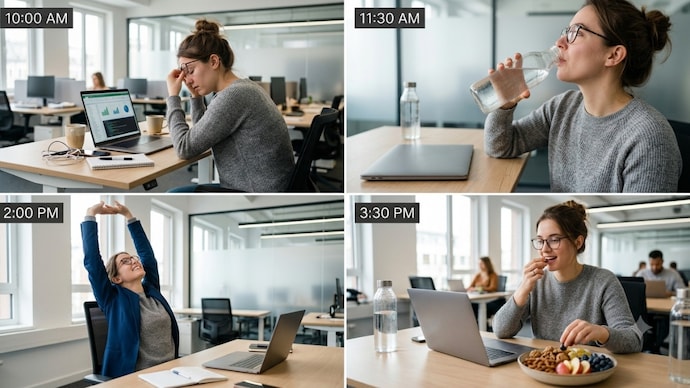
We've all experienced it that afternoon slump when your eyes feel heavy, your concentration fades and even the simplest tasks seem difficult. Long hours at a desk, poor sleep, dehydration and unhealthy eating habits can all leave you feeling drained during the workday.
The good news is that a few simple changes can help you stay alert and productive without relying on multiple cups of coffee.
GET UP AND MOVE
Sitting for hours can make you feel sluggish. Taking a short walk around the office, climbing a few flights of stairs or doing a few stretches can improve blood circulation and increase energy levels.
Even a five-minute movement break every hour can make a noticeable difference.
STAY HYDRATED
Dehydration is one of the most common yet overlooked causes of fatigue. Even mild dehydration can affect your concentration and make you feel sleepy.
Keep a water bottle on your desk and sip water regularly throughout the day. You can also include coconut water or infused water for a refreshing change.
CHOOSE SMART SNACKS
Sugary snacks may give you a quick energy boost, but the effect doesn't last long and is often followed by an energy crash.
Instead, choose healthy snacks such as:
Fresh fruits
- advertisement
A handful of nuts
Roasted makhana
Greek yogurt
Peanut butter with apple slices or whole-grain toast
These provide steady energy and help keep hunger at bay.
DON'T SKIP LUNCH
Skipping meals or eating a heavy, greasy lunch can leave you feeling even more tired.
Opt for a balanced meal that includes whole grains, lean protein, vegetables and healthy fats. This helps maintain stable blood sugar levels and keeps you energised for longer.
TAKE A SCREEN BREAK
Staring at a computer screen for long periods can strain your eyes and reduce focus.
Follow the 20-20-20 rule: Every 20 minutes, look at something 20 feet away for at least 20 seconds. This simple habit helps reduce eye strain and refreshes your mind.
GET SOME FRESH AIR
If possible, step outside for a few minutes. Fresh air and natural sunlight can improve alertness, boost your mood and help reset your energy levels.
Even opening a window or spending a few minutes on a balcony can be beneficial.
LIMIT TOO MUCH CAFFEINE
While coffee can temporarily increase alertness, consuming too much caffeine may lead to jitters, dehydration and disrupted sleep later in the day.
Instead of relying on multiple cups, balance your caffeine intake with water and healthy snacks.
PRACTISE DEEP BREATHING
A minute or two of deep breathing can help improve oxygen flow to the brain, reduce stress and increase mental alertness.
Take slow, deep breaths, inhale through your nose and exhale through your mouth to feel more refreshed.
GET ENOUGH SLEEP
No workplace hack can replace a good night's sleep. Most adults need around seven to nine hours of quality sleep each night to stay focused and energised during the day.
Maintaining a consistent sleep schedule can significantly improve productivity and reduce daytime drowsiness.
Feeling sleepy at work is common, but it doesn't have to affect your productivity. Staying hydrated, eating nutritious meals, taking regular movement breaks, getting fresh air and prioritising quality sleep can help you stay alert throughout the day. Small, healthy habits often make the biggest difference when it comes to maintaining energy at work.
in
We've all experienced it that afternoon slump when your eyes feel heavy, your concentration fades and even the simplest tasks seem difficult. Long hours at a desk, poor sleep, dehydration and unhealthy eating habits can all leave you feeling drained during the workday.
The good news is that a few simple changes can help you stay alert and productive without relying on multiple cups of coffee.
GET UP AND MOVE
Sitting for hours can make you feel sluggish. Taking a short walk around the office, climbing a few flights of stairs or doing a few stretches can improve blood circulation and increase energy levels.
Even a five-minute movement break every hour can make a noticeable difference.
STAY HYDRATED
Dehydration is one of the most common yet overlooked causes of fatigue. Even mild dehydration can affect your concentration and make you feel sleepy.
Keep a water bottle on your desk and sip water regularly throughout the day. You can also include coconut water or infused water for a refreshing change.
CHOOSE SMART SNACKS
Sugary snacks may give you a quick energy boost, but the effect doesn't last long and is often followed by an energy crash.
Instead, choose healthy snacks such as:
Fresh fruits
A handful of nuts
Roasted makhana
Greek yogurt
Peanut butter with apple slices or whole-grain toast
These provide steady energy and help keep hunger at bay.
DON'T SKIP LUNCH
Skipping meals or eating a heavy, greasy lunch can leave you feeling even more tired.
Opt for a balanced meal that includes whole grains, lean protein, vegetables and healthy fats. This helps maintain stable blood sugar levels and keeps you energised for longer.
TAKE A SCREEN BREAK
Staring at a computer screen for long periods can strain your eyes and reduce focus.
Follow the 20-20-20 rule: Every 20 minutes, look at something 20 feet away for at least 20 seconds. This simple habit helps reduce eye strain and refreshes your mind.
GET SOME FRESH AIR
If possible, step outside for a few minutes. Fresh air and natural sunlight can improve alertness, boost your mood and help reset your energy levels.
Even opening a window or spending a few minutes on a balcony can be beneficial.
LIMIT TOO MUCH CAFFEINE
While coffee can temporarily increase alertness, consuming too much caffeine may lead to jitters, dehydration and disrupted sleep later in the day.
Instead of relying on multiple cups, balance your caffeine intake with water and healthy snacks.
PRACTISE DEEP BREATHING
A minute or two of deep breathing can help improve oxygen flow to the brain, reduce stress and increase mental alertness.
Take slow, deep breaths, inhale through your nose and exhale through your mouth to feel more refreshed.
GET ENOUGH SLEEP
No workplace hack can replace a good night's sleep. Most adults need around seven to nine hours of quality sleep each night to stay focused and energised during the day.
Maintaining a consistent sleep schedule can significantly improve productivity and reduce daytime drowsiness.
Feeling sleepy at work is common, but it doesn't have to affect your productivity. Staying hydrated, eating nutritious meals, taking regular movement breaks, getting fresh air and prioritising quality sleep can help you stay alert throughout the day. Small, healthy habits often make the biggest difference when it comes to maintaining energy at work.
in

