AI is no longer the future. 73% of Indian professionals now use it at work
AI is no longer a future trend or experimental tool. The new Michael Page Talent Trends 2026 report shows 73% professionals, recruiters and job seekers now use AI regularly, signalling that artificial intelligence has become a normal part of working life.
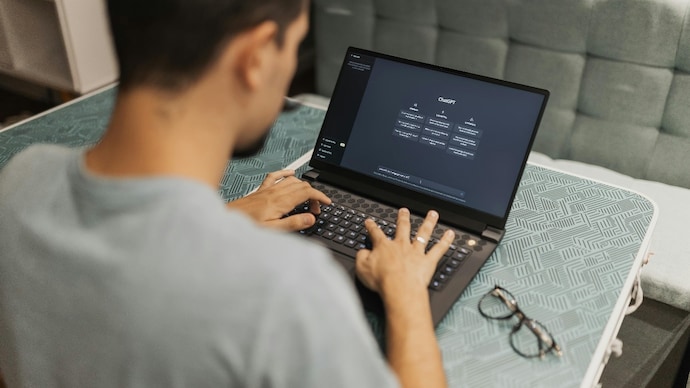
That future appears to have arrived.
According to Michael Page's Talent Trends 2026 India report, 73% of professionals now use generative AI at work. Just two years ago, that figure stood at 47%.
The rapid rise suggests AI has moved far beyond experimentation. It is now becoming part of everyday work for millions of professionals.
FROM NOVELTY TO NORMALITY
The growth in workplace AI use has been striking.
advertisement Year | Professionals using AI at work |
|---|---|
2024 | 47% |
2025 | 64% |
2026 | 73% |
The findings suggest AI is no longer limited to technology teams or early adopters. Employees across industries are increasingly using AI tools to write, research, analyse information and improve productivity.
The report describes this shift as a move from "hype to habit", with AI becoming a regular part of professional life rather than a specialist tool.
JOB SEEKERS AND RECRUITERS ARE BOTH USING AI
Perhaps the most surprising finding is that AI is now influencing both sides of the hiring process.
Candidates are using AI to refine resumes, tailor applications and improve how their skills are presented. Recruiters and hiring managers are doing something similar from the other side.
advertisement How AI is being used | Percentage |
|---|---|
Job applicants using AI during applications | 76% |
Hiring managers using AI in recruitment | 78% |
According to the report, applicants commonly use AI to tighten language, summarise experience and optimise resumes for applicant tracking systems.
Meanwhile, hiring managers are using AI to draft job descriptions, create interview questions and streamline candidate communications.
The result is a hiring process where both candidates and employers increasingly rely on the same technology.
ARE PEOPLE AFRAID OF LOSING THEIR JOBS?
Much of the public debate around AI focuses on automation and job losses. Yet the report suggests workers may be less worried than headlines often imply.
Only 33% of respondents said long-term job security was a concern when it came to AI.
That does not mean everyone feels equally comfortable.
Workers in less secure employment arrangements expressed significantly higher anxiety about AI's impact:
Group | Concerned about AI and job security |
|---|---|
Temporary workers | 65% |
Apprentices | 64% |
Freelancers | 60% |
Overall workforce | 33% |
The findings suggest that concerns about AI are strongest among workers who already face greater employment uncertainty.
THE NEW CHALLENGE: SPOTTING REAL TALENT
As AI becomes more common, employers face a different problem.
The report found that 81% of hiring managers believe they can identify when AI has been used in a CV or cover letter. Yet nearly one in five remain unsure.
With AI helping candidates create increasingly polished applications, recruiters are placing greater emphasis on qualities technology cannot easily imitate.
The report highlights judgement, decision-making, adaptability and real-world experience as becoming more important during interviews and assessments.
WHAT THIS MEANS FOR WORKERS
The Talent Trends 2026 report paints a very different picture from the common narrative that AI is simply replacing jobs.
Instead, AI is becoming another workplace tool, much like email, spreadsheets or video conferencing once did. Employees are adopting it, employers are embedding it into recruitment, and candidates are using it to improve their chances in a competitive job market.
The biggest shift may not be whether AI is coming for work. It may be that work has already changed, and most professionals are adapting faster than many expected.
That future appears to have arrived.
According to Michael Page's Talent Trends 2026 India report, 73% of professionals now use generative AI at work. Just two years ago, that figure stood at 47%.
The rapid rise suggests AI has moved far beyond experimentation. It is now becoming part of everyday work for millions of professionals.
FROM NOVELTY TO NORMALITY
The growth in workplace AI use has been striking.
Year | Professionals using AI at work |
|---|---|
2024 | 47% |
2025 | 64% |
2026 | 73% |
The findings suggest AI is no longer limited to technology teams or early adopters. Employees across industries are increasingly using AI tools to write, research, analyse information and improve productivity.
The report describes this shift as a move from "hype to habit", with AI becoming a regular part of professional life rather than a specialist tool.
JOB SEEKERS AND RECRUITERS ARE BOTH USING AI
Perhaps the most surprising finding is that AI is now influencing both sides of the hiring process.
Candidates are using AI to refine resumes, tailor applications and improve how their skills are presented. Recruiters and hiring managers are doing something similar from the other side.
How AI is being used | Percentage |
|---|---|
Job applicants using AI during applications | 76% |
Hiring managers using AI in recruitment | 78% |
According to the report, applicants commonly use AI to tighten language, summarise experience and optimise resumes for applicant tracking systems.
Meanwhile, hiring managers are using AI to draft job descriptions, create interview questions and streamline candidate communications.
The result is a hiring process where both candidates and employers increasingly rely on the same technology.
ARE PEOPLE AFRAID OF LOSING THEIR JOBS?
Much of the public debate around AI focuses on automation and job losses. Yet the report suggests workers may be less worried than headlines often imply.
Only 33% of respondents said long-term job security was a concern when it came to AI.
That does not mean everyone feels equally comfortable.
Workers in less secure employment arrangements expressed significantly higher anxiety about AI's impact:
Group | Concerned about AI and job security |
|---|---|
Temporary workers | 65% |
Apprentices | 64% |
Freelancers | 60% |
Overall workforce | 33% |
The findings suggest that concerns about AI are strongest among workers who already face greater employment uncertainty.
THE NEW CHALLENGE: SPOTTING REAL TALENT
As AI becomes more common, employers face a different problem.
The report found that 81% of hiring managers believe they can identify when AI has been used in a CV or cover letter. Yet nearly one in five remain unsure.
With AI helping candidates create increasingly polished applications, recruiters are placing greater emphasis on qualities technology cannot easily imitate.
The report highlights judgement, decision-making, adaptability and real-world experience as becoming more important during interviews and assessments.
WHAT THIS MEANS FOR WORKERS
The Talent Trends 2026 report paints a very different picture from the common narrative that AI is simply replacing jobs.
Instead, AI is becoming another workplace tool, much like email, spreadsheets or video conferencing once did. Employees are adopting it, employers are embedding it into recruitment, and candidates are using it to improve their chances in a competitive job market.
The biggest shift may not be whether AI is coming for work. It may be that work has already changed, and most professionals are adapting faster than many expected.

