Burnout, toxic bosses, broken trust: 7 reasons why employees are revenge quitting
Revenge quitting, or leaving a job abruptly without notice, is emerging as a growing workplace trend driven by burnout, toxic management, lack of recognition, poor work-life balance, and broken trust. Experts say these sudden exits are often the culmination of long-standing frustrations, serving as a warning sign for employers.
It often begins with silence.
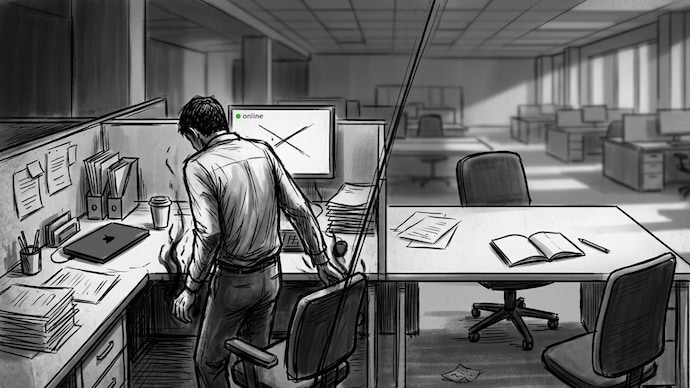
A laptop shuts down on a Friday evening. Slack goes quiet. Emails stop. The green “online” dot vanishes. By Monday morning, an employee who was part of meetings, deadlines, and office chatter has seemingly disappeared.
There is no farewell note. No carefully crafted resignation email thanking colleagues for the journey. No LinkedIn post celebrating a “new chapter.” Just an empty desk, unanswered messages, and a growing sense of confusion among managers and co-workers trying to figure out what happened.
What looks like a sudden act of rebellion is becoming an increasingly familiar workplace story. Known as “revenge quitting” or “rage quitting,” the trend involves employees walking away from their jobs abruptly, often without serving notice periods or following traditional resignation etiquette.
While social media has given the phenomenon a catchy name, experts say it reflects something far more significant: a workforce growing tired of burnout, broken promises, and feeling unheard.
In many cases, revenge quitting is not an impulsive decision made overnight. It is the final chapter of a frustration that has been quietly building for months, sometimes years, before one day, an employee simply decides they have had enough.
In India's evolving workplace culture, revenge quitting is emerging as a symptom of mounting frustration, burnout, and disillusionment. It is less about impulsiveness and more about what happens when employees feel ignored for too long.
THE BREAKING POINT
For decades, employees were expected to demonstrate loyalty, patience, and perseverance, even in difficult work environments. Leaving abruptly was often viewed as unprofessional and potentially damaging to one's career.
That perception appears to be changing.
Today's workforce, particularly younger professionals, is increasingly willing to prioritise mental well-being, work-life balance, and personal dignity over traditional notions of corporate loyalty. As opportunities expand and career paths become more flexible, many workers no longer see staying in a toxic environment as a necessary sacrifice.
Data from the Gallup State of the Global Workplace Report underscores the pressures employees face. The report found that only 14 per cent of Indian employees are thriving at work, while a significant majority report struggling with stress, disengagement, or dissatisfaction.
Experts say these frustrations rarely emerge overnight. Instead, they build quietly over months or even years, eventually culminating in a sudden exit that appears abrupt to outsiders but feels inevitable to the employee.
WHAT PEOPLE MEAN WHEN THEY "REVENGE QUIT"
Unlike conventional resignations motivated by higher salaries, promotions, or better opportunities, revenge quitting is often driven by emotion.
It is a statement rather than a career move.
Employees who quit in revenge are not necessarily leaving for another organisation immediately. Instead, they are choosing to walk away because remaining in the workplace feels more damaging than leaving it. In many cases, the act is intended to send a message about dissatisfaction, unfair treatment, or a perceived lack of respect.
The phenomenon is far more common than many employers might assume.
According to a recent Monster survey of more than 3,600 workers conducted in March 2025, 47 per cent of respondents admitted to quitting a job suddenly without notice as a way of expressing frustration. Additionally, 57 per cent said they had witnessed a colleague leave similarly.
Perhaps surprisingly, revenge quitting is not limited to young employees. The survey found that many individuals who left abruptly had spent more than two years with their organisations, suggesting that these exits often follow prolonged periods of dissatisfaction rather than impulsive decisions.
REASONS BEHIND REVENGE QUITTING
Experts say revenge quitting is often the result of prolonged frustration rather than a spur-of-the-moment decision. While every employee's experience is different, certain workplace issues repeatedly emerge as triggers that push workers toward a sudden exit.
1. Chronic Burnout: Long working hours, unrealistic deadlines, and constant pressure can gradually drain employees physically and emotionally. When stress becomes a permanent state rather than a temporary challenge, quitting can begin to feel like the only escape.
2. Toxic Leadership and Poor Management: Micromanagement, public criticism, favouritism, and a lack of empathy from supervisors are among the most common reasons employees disengage. Many workers do not quit companies—they quit managers.
3. Feeling Unheard and Undervalued: Employees who consistently see their contributions overlooked or their concerns dismissed often develop a deep sense of resentment. Over time, feeling invisible can weaken loyalty and motivation.
4. Lack of Career Growth: Professionals who feel stuck in the same role without meaningful opportunities for learning, advancement, or skill development may eventually lose patience. When progress stalls, leaving can seem more appealing than waiting for change.
5. Broken Trust: Whether it involves unfulfilled promises, sudden policy shifts, inconsistent communication, or perceived unfairness, a breakdown of trust can quickly damage the employee-employer relationship. Once trust erodes, engagement often follows.
6. Poor Work-Life Balance: Many employees feel pressured to remain available long after office hours, sacrificing personal time and well-being. When work begins to consume every aspect of life, frustration can build to a breaking point.
7. Lack of Recognition: Consistently delivering results without receiving appreciation, feedback, or rewards can leave employees feeling taken for granted. Over time, the absence of recognition can be just as demotivating as poor pay.
WHAT REVENGE QUITTING REALLY REVEALS
Revenge quitting is not merely a workplace buzzword. It is the visible outcome of invisible frustrations that have been accumulating for months, sometimes years. Behind every sudden resignation is often a story of burnout, unmet expectations, strained relationships, or a loss of faith in the workplace.
As employees become more willing to prioritise their mental health and personal values, organisations may need to rethink how they engage, support, and retain talent. Because in today's workplace, the loudest resignation is not always the one accompanied by a farewell speech.
Sometimes, it is the one who arrives without a word.
It often begins with silence.
A laptop shuts down on a Friday evening. Slack goes quiet. Emails stop. The green “online” dot vanishes. By Monday morning, an employee who was part of meetings, deadlines, and office chatter has seemingly disappeared.
There is no farewell note. No carefully crafted resignation email thanking colleagues for the journey. No LinkedIn post celebrating a “new chapter.” Just an empty desk, unanswered messages, and a growing sense of confusion among managers and co-workers trying to figure out what happened.
What looks like a sudden act of rebellion is becoming an increasingly familiar workplace story. Known as “revenge quitting” or “rage quitting,” the trend involves employees walking away from their jobs abruptly, often without serving notice periods or following traditional resignation etiquette.
While social media has given the phenomenon a catchy name, experts say it reflects something far more significant: a workforce growing tired of burnout, broken promises, and feeling unheard.
In many cases, revenge quitting is not an impulsive decision made overnight. It is the final chapter of a frustration that has been quietly building for months, sometimes years, before one day, an employee simply decides they have had enough.
In India's evolving workplace culture, revenge quitting is emerging as a symptom of mounting frustration, burnout, and disillusionment. It is less about impulsiveness and more about what happens when employees feel ignored for too long.
THE BREAKING POINT
For decades, employees were expected to demonstrate loyalty, patience, and perseverance, even in difficult work environments. Leaving abruptly was often viewed as unprofessional and potentially damaging to one's career.
That perception appears to be changing.
Today's workforce, particularly younger professionals, is increasingly willing to prioritise mental well-being, work-life balance, and personal dignity over traditional notions of corporate loyalty. As opportunities expand and career paths become more flexible, many workers no longer see staying in a toxic environment as a necessary sacrifice.
Data from the Gallup State of the Global Workplace Report underscores the pressures employees face. The report found that only 14 per cent of Indian employees are thriving at work, while a significant majority report struggling with stress, disengagement, or dissatisfaction.
Experts say these frustrations rarely emerge overnight. Instead, they build quietly over months or even years, eventually culminating in a sudden exit that appears abrupt to outsiders but feels inevitable to the employee.
WHAT PEOPLE MEAN WHEN THEY "REVENGE QUIT"
Unlike conventional resignations motivated by higher salaries, promotions, or better opportunities, revenge quitting is often driven by emotion.
It is a statement rather than a career move.
Employees who quit in revenge are not necessarily leaving for another organisation immediately. Instead, they are choosing to walk away because remaining in the workplace feels more damaging than leaving it. In many cases, the act is intended to send a message about dissatisfaction, unfair treatment, or a perceived lack of respect.
The phenomenon is far more common than many employers might assume.
According to a recent Monster survey of more than 3,600 workers conducted in March 2025, 47 per cent of respondents admitted to quitting a job suddenly without notice as a way of expressing frustration. Additionally, 57 per cent said they had witnessed a colleague leave similarly.
Perhaps surprisingly, revenge quitting is not limited to young employees. The survey found that many individuals who left abruptly had spent more than two years with their organisations, suggesting that these exits often follow prolonged periods of dissatisfaction rather than impulsive decisions.
REASONS BEHIND REVENGE QUITTING
Experts say revenge quitting is often the result of prolonged frustration rather than a spur-of-the-moment decision. While every employee's experience is different, certain workplace issues repeatedly emerge as triggers that push workers toward a sudden exit.
1. Chronic Burnout: Long working hours, unrealistic deadlines, and constant pressure can gradually drain employees physically and emotionally. When stress becomes a permanent state rather than a temporary challenge, quitting can begin to feel like the only escape.
2. Toxic Leadership and Poor Management: Micromanagement, public criticism, favouritism, and a lack of empathy from supervisors are among the most common reasons employees disengage. Many workers do not quit companies—they quit managers.
3. Feeling Unheard and Undervalued: Employees who consistently see their contributions overlooked or their concerns dismissed often develop a deep sense of resentment. Over time, feeling invisible can weaken loyalty and motivation.
4. Lack of Career Growth: Professionals who feel stuck in the same role without meaningful opportunities for learning, advancement, or skill development may eventually lose patience. When progress stalls, leaving can seem more appealing than waiting for change.
5. Broken Trust: Whether it involves unfulfilled promises, sudden policy shifts, inconsistent communication, or perceived unfairness, a breakdown of trust can quickly damage the employee-employer relationship. Once trust erodes, engagement often follows.
6. Poor Work-Life Balance: Many employees feel pressured to remain available long after office hours, sacrificing personal time and well-being. When work begins to consume every aspect of life, frustration can build to a breaking point.
7. Lack of Recognition: Consistently delivering results without receiving appreciation, feedback, or rewards can leave employees feeling taken for granted. Over time, the absence of recognition can be just as demotivating as poor pay.
WHAT REVENGE QUITTING REALLY REVEALS
Revenge quitting is not merely a workplace buzzword. It is the visible outcome of invisible frustrations that have been accumulating for months, sometimes years. Behind every sudden resignation is often a story of burnout, unmet expectations, strained relationships, or a loss of faith in the workplace.
As employees become more willing to prioritise their mental health and personal values, organisations may need to rethink how they engage, support, and retain talent. Because in today's workplace, the loudest resignation is not always the one accompanied by a farewell speech.
Sometimes, it is the one who arrives without a word.

