7 toxic signs you're working for a real-life Devil Wears Prada boss
A toxic boss can turn even a dream job into a stressful experience, marked by anxiety, self-doubt, and burnout. Signs include lack of empathy, micromanagement, unrealistic expectations, and blame culture. Over time, such environments damage confidence, mental health, and career growth, often pushing employees toward disengagement or resignation.
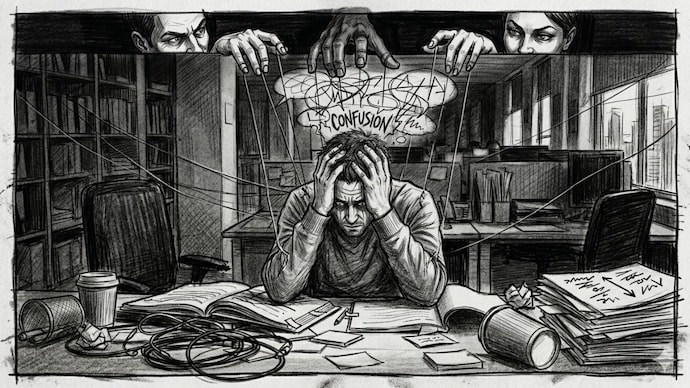
Imagine this: you’re working at a great place. The office is well-designed, the work is exactly what you wanted, and on paper, everything looks perfect. But every morning, as you get ready for work, there’s a knot in your stomach.
You feel anxious. You’re constantly second-guessing yourself. No matter how hard you try to meet expectations, it always feels like you’re falling short. Slowly, you start blaming yourself—thinking maybe you’re not good enough for the job.
But what if the problem isn’t you?
Yes, you read that right. Sometimes, it’s not the job: it’s the boss.
Think of the iconic Miranda Priestly from The Devil Wears Prada. Ruthless, demanding, impossible to impress, and unforgettable. Meryl Streep may have made her iconic, but in real life, a Miranda-like boss can turn even a dream job into a daily emotional struggle.
So, how do you know if you’re dealing with one?
7 TOXIC SIGNS YOUR BOSS IS A REAL-LIKE MIRANDA PRIESTLY
Here are seven signs that show that you are working under a toxic boss:
Lack of self-awareness: Toxic bosses often struggle to recognise their own emotions and behaviour. They believe they are always right, making them resistant to feedback. Over time, this creates a workplace where reflection is replaced by authority, and growth takes a back seat.
Misuse of authority: Instead of leading through collaboration, they lead through control. Decisions are expected to be followed, not discussed. Questioning authority is often discouraged, creating an environment where fear replaces dialogue.
Low empathy: They rarely pause to understand what their employees are going through. Challenges, stress, or personal struggles are often ignored. This emotional disconnect slowly erodes trust and makes communication feel mechanical rather than human.
Unrealistic expectations: Goals are often set without considering real-world constraints. Everything is “urgent” and “non-negotiable.” Over time, this constant pressure leaves employees exhausted, confused, and unsure of what success even looks like.
Self-centred behaviour: For toxic leaders, visibility often matters more than value. They may prioritise personal recognition over team success, take credit for collective work, and focus more on image-building than long-term team growth.
Blame culture: When things go wrong, responsibility is quickly shifted downward. Instead of analysing systems or leadership gaps, individuals are blamed. This creates fear, discourages honesty, and makes employees reluctant to take initiative.
Micromanagement: Trust becomes a missing ingredient. Every small detail—from emails to execution—is closely monitored. Employees are rarely given the space to take ownership, which eventually kills creativity and confidence.
THE IMPACT OF A TOXIC BOSS ON YOU
Working with a toxic boss doesn’t just make your work life difficult; it can slowly reshape how you see yourself. Constant criticism, unrealistic expectations, and a lack of support can lead to chronic stress, anxiety, and burnout.
Over time, even confident employees may start doubting their abilities, second-guessing every decision, and feeling like they are never “good enough,” no matter how hard they try. This emotional pressure can also spill into personal life, affecting sleep, relationships, and overall mental well-being.
On a professional level, a toxic work environment can seriously stunt growth. Employees often stop taking initiative, avoid risks, and limit creativity just to stay out of trouble. In some cases, it can lead to disengagement, frequent absenteeism, or even quiet quitting.
If the situation continues, talented professionals may eventually leave the organisation altogether, resulting in high attrition and loss of potential, not just for the individual, but for the company as well.
Imagine this: you’re working at a great place. The office is well-designed, the work is exactly what you wanted, and on paper, everything looks perfect. But every morning, as you get ready for work, there’s a knot in your stomach.
You feel anxious. You’re constantly second-guessing yourself. No matter how hard you try to meet expectations, it always feels like you’re falling short. Slowly, you start blaming yourself—thinking maybe you’re not good enough for the job.
But what if the problem isn’t you?
Yes, you read that right. Sometimes, it’s not the job: it’s the boss.
Think of the iconic Miranda Priestly from The Devil Wears Prada. Ruthless, demanding, impossible to impress, and unforgettable. Meryl Streep may have made her iconic, but in real life, a Miranda-like boss can turn even a dream job into a daily emotional struggle.
So, how do you know if you’re dealing with one?
7 TOXIC SIGNS YOUR BOSS IS A REAL-LIKE MIRANDA PRIESTLY
Here are seven signs that show that you are working under a toxic boss:
Lack of self-awareness: Toxic bosses often struggle to recognise their own emotions and behaviour. They believe they are always right, making them resistant to feedback. Over time, this creates a workplace where reflection is replaced by authority, and growth takes a back seat.
Misuse of authority: Instead of leading through collaboration, they lead through control. Decisions are expected to be followed, not discussed. Questioning authority is often discouraged, creating an environment where fear replaces dialogue.
Low empathy: They rarely pause to understand what their employees are going through. Challenges, stress, or personal struggles are often ignored. This emotional disconnect slowly erodes trust and makes communication feel mechanical rather than human.
Unrealistic expectations: Goals are often set without considering real-world constraints. Everything is “urgent” and “non-negotiable.” Over time, this constant pressure leaves employees exhausted, confused, and unsure of what success even looks like.
Self-centred behaviour: For toxic leaders, visibility often matters more than value. They may prioritise personal recognition over team success, take credit for collective work, and focus more on image-building than long-term team growth.
Blame culture: When things go wrong, responsibility is quickly shifted downward. Instead of analysing systems or leadership gaps, individuals are blamed. This creates fear, discourages honesty, and makes employees reluctant to take initiative.
Micromanagement: Trust becomes a missing ingredient. Every small detail—from emails to execution—is closely monitored. Employees are rarely given the space to take ownership, which eventually kills creativity and confidence.
THE IMPACT OF A TOXIC BOSS ON YOU
Working with a toxic boss doesn’t just make your work life difficult; it can slowly reshape how you see yourself. Constant criticism, unrealistic expectations, and a lack of support can lead to chronic stress, anxiety, and burnout.
Over time, even confident employees may start doubting their abilities, second-guessing every decision, and feeling like they are never “good enough,” no matter how hard they try. This emotional pressure can also spill into personal life, affecting sleep, relationships, and overall mental well-being.
On a professional level, a toxic work environment can seriously stunt growth. Employees often stop taking initiative, avoid risks, and limit creativity just to stay out of trouble. In some cases, it can lead to disengagement, frequent absenteeism, or even quiet quitting.
If the situation continues, talented professionals may eventually leave the organisation altogether, resulting in high attrition and loss of potential, not just for the individual, but for the company as well.

