I tried a micro-retirement, and it changed how I think about work
After six years of continuous work, I took a one-year micro-retirement to recharge and reassess my priorities. The break taught me the importance of work-life balance, lifelong learning, good health, and valuing time. More than a career pause, it changed how I approach work, relationships, and life.
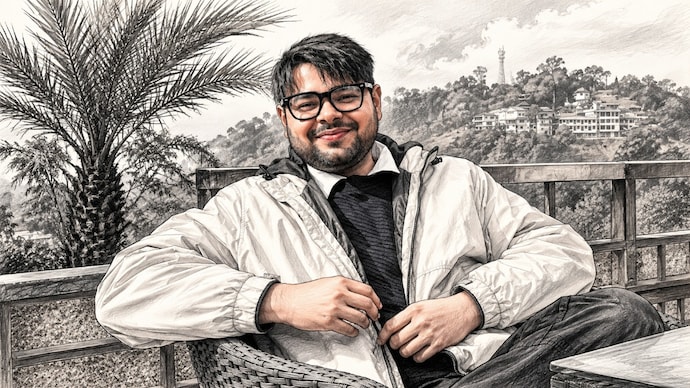
Every day, you hear a new term while working. Last year, when I left my job and decided to take a break, someone told me, “Oh, you are taking a micro-retirement.”
I had no idea what the term meant at that time. So, I started researching it and realised that micro-retirement is becoming increasingly common among Gen Z and millennials.
So, what exactly is micro-retirement?
Micro-retirement is a lifestyle trend where people take planned breaks from work for a few months or even a year during their careers instead of waiting until old age to retire permanently.
The idea is simple: instead of working continuously for decades and only enjoying freedom after retirement, people take small breaks throughout their professional lives to rest, explore, learn, and focus on themselves.
The concept gained popularity after being discussed in Tim Ferriss’ book The 4-Hour Workweek, which introduced ideas around flexible work, productivity, and designing a lifestyle that prioritises personal freedom.
TAKING CAREER BREAKS BEFORE TRADITIONAL RETIREMENT
Unlike traditional retirement, where people usually stop working in their 60s, micro-retirement allows individuals to take planned career breaks while they are still active in the workforce.
Typically, a person works for a few years, saves enough money, and then takes a break lasting anywhere from a few months to a year. During this time, they may travel, learn new skills, spend time with family, pursue hobbies, volunteer, or simply recharge.
Many people choose micro-retirement to maintain work-life balance, avoid burnout, and focus on personal goals. However, it also comes with challenges, including loss of income, financial planning, career gaps, and uncertainty about returning to work.
Despite these challenges, many professionals see it as an opportunity for personal growth and a more flexible approach to their careers.
WHAT I LEARNT FROM MY MICRO-RETIREMENT
At the beginning of 2025, after working continuously for six years, I decided to take a break.
On April 1, 2025, I was officially unemployed.
Initially, the plan was to take a break for just two or three months. But due to family reasons and other circumstances, the break got extended. After five months, I decided that if I had already taken a break, I might as well give myself a full year.
And that is how my micro-retirement continued until May 2026. During this one-year break, I learnt some important lessons that have now become a part of my professional life.
1. THE IMPORTANCE OF WORK-LIFE BALANCE
When you work in a fast-paced environment like journalism, maintaining work-life balance can become extremely difficult.
You are constantly chasing deadlines, writing copies, editing them, filing stories, and immediately moving on to the next assignment. A nine-hour workday can pass in what feels like a few minutes.
Some weeks you work five days, some weeks six. Your shifts change, your schedules change, but the work continues. In such an intense environment, it becomes easy for the line between professional and personal life to disappear.
That is exactly what happened with me. While the initial years of my career were exciting and full of learning, by the end of my sixth year, I was completely burned out. Work had slowly started taking over every part of my life.
When I took my break, the first two to three months were not about achieving anything. I simply allowed myself to rest.
I went on walks, met friends, spent time with my family, and slowly realised how important these small moments were.
I made a promise to myself that whenever I returned to work, I would maintain this balance. Yes, the work environment remains challenging, but now, after logging out, I make sure I spend quality time with my family.
On my days off, I meet friends, explore new places, or sometimes sit alone with a cup of coffee and a book.
2. THE IMPORTANCE OF READING AND LEARNING NEW THINGS
Another thing I rediscovered during my break was reading. I used to read a lot, but due to long working hours, I gradually stopped making time for it.
During my one-year break, I read books, magazines, and comic strips, and explored different topics. I also learnt new skills to improve my knowledge and strengthen my professional abilities.
Now that I am working again, I still make sure to dedicate time to reading. On weekends, I work on improving my skills so that I am prepared for new challenges.
Learning should never stop, regardless of how busy life becomes.
3. THE IMPORTANCE OF HEALTH
The biggest lesson I learnt during my break was the importance of health. People often say, “Health is wealth,” and I understood the true meaning of that during this period.
I had been dealing with several health issues, so during my break, I decided to prioritise myself. I started exercising regularly, ate healthier, and lost 10 kilograms.
More importantly, I felt more energetic, active, and happier. Even today, I make sure to go for runs, take walks after dinner, and eat proper meals on time. A healthy body helps create a healthier mind, and I experienced that personally.
4. THE IMPORTANCE OF TIME
The final lesson I learnt was the value of time. Time is moving fast, not just for me, but for everyone.
As someone who tends to overthink and worry about everything at once, I realised that maybe I needed to stop trying to control everything and start living one day at a time.
I deactivated my social media because I no longer felt the need to show the world everything I was doing. I stepped away from that constant race.
Today, I focus on the present. I enjoy small moments, time with my family, friends, and most importantly, myself. I have learned to give myself time.
When I am working, I focus on my work. When I am relaxing, I allow myself to truly relax.
In a fast-paced world, people often forget how quickly time passes. Maybe slowing down occasionally is not a bad thing. Maybe we all need moments where we pause, appreciate our surroundings, and simply enjoy life.
My micro-retirement did not just give me a break from work. It changed the way I look at work, health, relationships, and life itself.
A PAUSE THAT CHANGED
Micro-retirement may not be for everyone, but for me, it became an opportunity to step away from the daily rush and reassess what truly matters. The year-long break helped me understand the importance of balancing ambition with well-being, and reminded me that life exists beyond deadlines, meetings, and career milestones.
When I returned to work, I came back with greater clarity, better health, and a renewed sense of purpose. More than a break from my job, micro-retirement gave me a fresh perspective on work, relationships, and time itself. Sometimes, stepping away is not about falling behind; it is about returning stronger.
Every day, you hear a new term while working. Last year, when I left my job and decided to take a break, someone told me, “Oh, you are taking a micro-retirement.”
I had no idea what the term meant at that time. So, I started researching it and realised that micro-retirement is becoming increasingly common among Gen Z and millennials.
So, what exactly is micro-retirement?
Micro-retirement is a lifestyle trend where people take planned breaks from work for a few months or even a year during their careers instead of waiting until old age to retire permanently.
The idea is simple: instead of working continuously for decades and only enjoying freedom after retirement, people take small breaks throughout their professional lives to rest, explore, learn, and focus on themselves.
The concept gained popularity after being discussed in Tim Ferriss’ book The 4-Hour Workweek, which introduced ideas around flexible work, productivity, and designing a lifestyle that prioritises personal freedom.
TAKING CAREER BREAKS BEFORE TRADITIONAL RETIREMENT
Unlike traditional retirement, where people usually stop working in their 60s, micro-retirement allows individuals to take planned career breaks while they are still active in the workforce.
Typically, a person works for a few years, saves enough money, and then takes a break lasting anywhere from a few months to a year. During this time, they may travel, learn new skills, spend time with family, pursue hobbies, volunteer, or simply recharge.
Many people choose micro-retirement to maintain work-life balance, avoid burnout, and focus on personal goals. However, it also comes with challenges, including loss of income, financial planning, career gaps, and uncertainty about returning to work.
Despite these challenges, many professionals see it as an opportunity for personal growth and a more flexible approach to their careers.
WHAT I LEARNT FROM MY MICRO-RETIREMENT
At the beginning of 2025, after working continuously for six years, I decided to take a break.
On April 1, 2025, I was officially unemployed.
Initially, the plan was to take a break for just two or three months. But due to family reasons and other circumstances, the break got extended. After five months, I decided that if I had already taken a break, I might as well give myself a full year.
And that is how my micro-retirement continued until May 2026. During this one-year break, I learnt some important lessons that have now become a part of my professional life.
1. THE IMPORTANCE OF WORK-LIFE BALANCE
When you work in a fast-paced environment like journalism, maintaining work-life balance can become extremely difficult.
You are constantly chasing deadlines, writing copies, editing them, filing stories, and immediately moving on to the next assignment. A nine-hour workday can pass in what feels like a few minutes.
Some weeks you work five days, some weeks six. Your shifts change, your schedules change, but the work continues. In such an intense environment, it becomes easy for the line between professional and personal life to disappear.
That is exactly what happened with me. While the initial years of my career were exciting and full of learning, by the end of my sixth year, I was completely burned out. Work had slowly started taking over every part of my life.
When I took my break, the first two to three months were not about achieving anything. I simply allowed myself to rest.
I went on walks, met friends, spent time with my family, and slowly realised how important these small moments were.
I made a promise to myself that whenever I returned to work, I would maintain this balance. Yes, the work environment remains challenging, but now, after logging out, I make sure I spend quality time with my family.
On my days off, I meet friends, explore new places, or sometimes sit alone with a cup of coffee and a book.
2. THE IMPORTANCE OF READING AND LEARNING NEW THINGS
Another thing I rediscovered during my break was reading. I used to read a lot, but due to long working hours, I gradually stopped making time for it.
During my one-year break, I read books, magazines, and comic strips, and explored different topics. I also learnt new skills to improve my knowledge and strengthen my professional abilities.
Now that I am working again, I still make sure to dedicate time to reading. On weekends, I work on improving my skills so that I am prepared for new challenges.
Learning should never stop, regardless of how busy life becomes.
3. THE IMPORTANCE OF HEALTH
The biggest lesson I learnt during my break was the importance of health. People often say, “Health is wealth,” and I understood the true meaning of that during this period.
I had been dealing with several health issues, so during my break, I decided to prioritise myself. I started exercising regularly, ate healthier, and lost 10 kilograms.
More importantly, I felt more energetic, active, and happier. Even today, I make sure to go for runs, take walks after dinner, and eat proper meals on time. A healthy body helps create a healthier mind, and I experienced that personally.
4. THE IMPORTANCE OF TIME
The final lesson I learnt was the value of time. Time is moving fast, not just for me, but for everyone.
As someone who tends to overthink and worry about everything at once, I realised that maybe I needed to stop trying to control everything and start living one day at a time.
I deactivated my social media because I no longer felt the need to show the world everything I was doing. I stepped away from that constant race.
Today, I focus on the present. I enjoy small moments, time with my family, friends, and most importantly, myself. I have learned to give myself time.
When I am working, I focus on my work. When I am relaxing, I allow myself to truly relax.
In a fast-paced world, people often forget how quickly time passes. Maybe slowing down occasionally is not a bad thing. Maybe we all need moments where we pause, appreciate our surroundings, and simply enjoy life.
My micro-retirement did not just give me a break from work. It changed the way I look at work, health, relationships, and life itself.
A PAUSE THAT CHANGED
Micro-retirement may not be for everyone, but for me, it became an opportunity to step away from the daily rush and reassess what truly matters. The year-long break helped me understand the importance of balancing ambition with well-being, and reminded me that life exists beyond deadlines, meetings, and career milestones.
When I returned to work, I came back with greater clarity, better health, and a renewed sense of purpose. More than a break from my job, micro-retirement gave me a fresh perspective on work, relationships, and time itself. Sometimes, stepping away is not about falling behind; it is about returning stronger.

