Why your dandruff keeps coming back, and what your scalp may be trying to tell you
Dandruff isn't simply the result of poor hygiene or a dry scalp. It's a common scalp condition influenced by a mix of factors, including excess oil production, naturally occurring microbes and the health of the scalp's protective barrier.
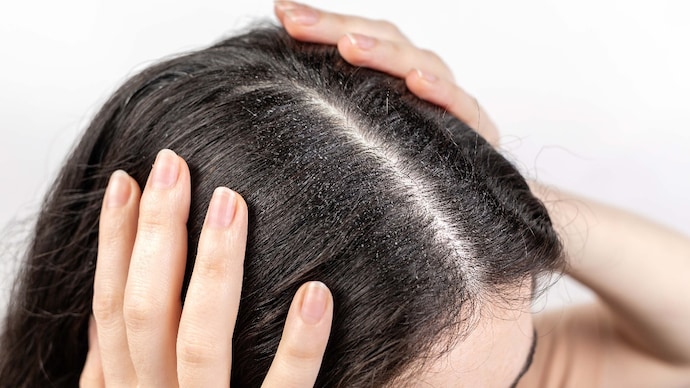
Let me guess, you have tried everything. Switched shampoos, tried home remedies, oiled your hair, washed it more often, washed it less often and yet, your dandruff looks worse than ever.
For many people, dandruff isn’t that big of a deal, a few white flakes on the shoulders, an occasional itchy scalp, and nothing more. But dermatologists say the recurring nature of dandruff is often a sign that we misunderstand what is actually happening on our scalp.
The problem isn't necessarily poor hygiene. Nor is it always dryness. Dandruff is a scalp condition that can be driven by a complex interaction between oil production, microorganisms and the scalp's natural barrier.
And at the centre of this problem is a tiny organism most people have never heard of: Malassezia.
Malassezia: The microbe living on your scalp
Before you panic, Malassezia isn't an infection you caught from somewhere. It is a naturally occurring yeast that lives on almost everyone's scalp. Under normal circumstances, it coexists peacefully with the skin and causes no problems.
Dandruff is one of the most common scalp concerns, yet it is often misunderstood. At the centre of this process is a harmless yeast-like microorganism called Malassezia globosa that naturally exists on everyone's scalp.
Problems begin when the scalp environment changes.
Heat, humidity, excess oil production, sweat, pollution, stress and even product build-up can create conditions that allow Malassezia to multiply rapidly. As the yeast feeds on sebum, the natural oil produced by the scalp, it breaks down these oils into by-products that can irritate the scalp.
This irritation triggers inflammation and speeds up the turnover of skin cells. Instead of shedding invisibly, these cells accumulate and become visible as flakes. Itchy scalp is often the first warning sign of the scalp’s natural balance being disrupted.
In other words, dandruff isn't simply about dry skin. It is often a reflection of microbial imbalance and scalp irritation.
Why dandruff keeps coming back
One of the biggest reasons dandruff becomes a recurring problem is that many people focus on removing flakes rather than addressing what's causing them. A shampoo may temporarily wash away visible flakes, making the scalp look cleaner for a few days. But if the underlying imbalance remains unchanged, the flakes often return.
Not all anti-dandruff ingredients work the same way for all scalps. While some may help in removing visible flakes, others aim to reduce oiliness or simply cleanse the scalp. These ingredients tend to provide only temporary relief as they do not always control the underlying fungal activity effectively.
This explains why dandruff often behaves like a chronic condition rather than a one-time problem. It tends to flare up, settle down and then return, especially when scalp conditions become favourable for Malassezia growth.
Oily dandruff vs dry dandruff
Most people assume dandruff is one condition with one appearance. But that's not entirely true. Broadly speaking, dandruff tends to appear and constantly reoccur in two common forms: oily dandruff and dry dandruff.
1. Oily dandruff
Oily dandruff is often associated with excess sebum production. The flakes tend to be yellowish or off-white and may appear sticky or clumped together. Rather than falling onto clothing, they often stick to the scalp or get trapped under fingernails when scratching.
People with oily dandruff frequently notice that their scalp feels greasy within a day or two of washing. Itching is common and mild redness may also occur.
Excess oil secreted in scalp creates an ideal environment for Malassezia to thrive. Humid weather, sweating, helmet use, heavy styling products and infrequent scalp cleansing can further worsen the condition.
2. Dry dandruff
Dry dandruff, on the other hand, looks very different. The flakes are usually fine, powdery and white, often falling onto the shoulders like tiny snowflakes. The scalp may feel slightly tight or dry, while itching tends to be mild to moderate.
This type is frequently confused with simple scalp dryness caused by cold weather, harsh shampoos or excessive washing.
However, recurrent dry flaking is often still linked to Malassezia-related irritation. This means simply applying more oil or switching to moisturising products may not completely solve the problem if the underlying microbial imbalance remains unaddressed.
Why summer often makes things worse
If your dandruff seems to worsen during summer, you're not imagining it. Rising temperatures and humidity create ideal conditions for dandruff flare-ups. Higher temperatures increase both sweating and sebum production on the scalp, creating a warm and humid environment.
This environment encourages Malassezia to multiply rapidly. As the yeast breaks down scalp oils, it produces irritating by-products that trigger inflammation and accelerate skin cell turnover. The result is a familiar cycle of itching, redness and visible flakes.
Many common summer habits can make matters worse.
Keeping the scalp covered for long periods, wearing helmets without proper ventilation, tying up damp hair and allowing sweat to accumulate can all contribute to scalp imbalance.
What should you look for in an anti-dandruff shampoo?
The shampoo aisle can be overwhelming. Many products promise instant flake removal, but consumers should pay closer attention to ingredient labels rather than marketing claims or price points. The goal should not simply be removing flakes. The focus should be on addressing the biological processes driving dandruff.
One anti-fungal ingredient is Piroctone Olamine, which penetrates 5 layers deep into the scalp addressing the problem at the root cause.
Piroctone Olamine is an antifungal ingredient that helps control the growth of Malassezia while supporting the scalp's natural microbiome. Unlike solutions that focus only on exfoliation or surface cleansing, it targets one of the root causes of dandruff by reducing yeast overgrowth.
Experts also note that it is generally well tolerated, suitable for regular use and can help reduce associated symptoms such as itching and irritation.
But, you have to be consistent, because dandruff is a recurring condition, stopping treatment as soon as the flakes disappear often leads to relapse.
Simple habits that can help prevent recurrence
While no scalp can be made completely immune to dandruff, one can be mindful of several habits that can help keep flare-ups under control:
- Wash your scalp regularly, especially after heavy sweating.
- Avoid allowing sweat, oil and product build-up to accumulate.
- Keep helmets, caps and hair accessories clean.
- Avoid tying up wet hair for prolonged periods.
- Choose scalp-care products based on your scalp type rather than trends.
- Manage stress, which can contribute to flare-ups in some individuals.
- Use anti-dandruff shampoos consistently rather than only when flakes become visible.
Dandruff is far more than a cosmetic inconvenience. It is often a sign that the delicate ecosystem of your scalp has been disrupted. The good news is that understanding the science behind dandruff makes it easier to manage. Instead of chasing quick fixes, experts recommend focusing on long-term scalp health, recognising your dandruff type and choosing products that address the root causes rather than simply masking the symptoms.
Let me guess, you have tried everything. Switched shampoos, tried home remedies, oiled your hair, washed it more often, washed it less often and yet, your dandruff looks worse than ever.
For many people, dandruff isn’t that big of a deal, a few white flakes on the shoulders, an occasional itchy scalp, and nothing more. But dermatologists say the recurring nature of dandruff is often a sign that we misunderstand what is actually happening on our scalp.
The problem isn't necessarily poor hygiene. Nor is it always dryness. Dandruff is a scalp condition that can be driven by a complex interaction between oil production, microorganisms and the scalp's natural barrier.
And at the centre of this problem is a tiny organism most people have never heard of: Malassezia.
Malassezia: The microbe living on your scalp
Before you panic, Malassezia isn't an infection you caught from somewhere. It is a naturally occurring yeast that lives on almost everyone's scalp. Under normal circumstances, it coexists peacefully with the skin and causes no problems.
Dandruff is one of the most common scalp concerns, yet it is often misunderstood. At the centre of this process is a harmless yeast-like microorganism called Malassezia globosa that naturally exists on everyone's scalp.
Problems begin when the scalp environment changes.
Heat, humidity, excess oil production, sweat, pollution, stress and even product build-up can create conditions that allow Malassezia to multiply rapidly. As the yeast feeds on sebum, the natural oil produced by the scalp, it breaks down these oils into by-products that can irritate the scalp.
This irritation triggers inflammation and speeds up the turnover of skin cells. Instead of shedding invisibly, these cells accumulate and become visible as flakes. Itchy scalp is often the first warning sign of the scalp’s natural balance being disrupted.
In other words, dandruff isn't simply about dry skin. It is often a reflection of microbial imbalance and scalp irritation.
Why dandruff keeps coming back
One of the biggest reasons dandruff becomes a recurring problem is that many people focus on removing flakes rather than addressing what's causing them. A shampoo may temporarily wash away visible flakes, making the scalp look cleaner for a few days. But if the underlying imbalance remains unchanged, the flakes often return.
Not all anti-dandruff ingredients work the same way for all scalps. While some may help in removing visible flakes, others aim to reduce oiliness or simply cleanse the scalp. These ingredients tend to provide only temporary relief as they do not always control the underlying fungal activity effectively.
This explains why dandruff often behaves like a chronic condition rather than a one-time problem. It tends to flare up, settle down and then return, especially when scalp conditions become favourable for Malassezia growth.
Oily dandruff vs dry dandruff
Most people assume dandruff is one condition with one appearance. But that's not entirely true. Broadly speaking, dandruff tends to appear and constantly reoccur in two common forms: oily dandruff and dry dandruff.
1. Oily dandruff
Oily dandruff is often associated with excess sebum production. The flakes tend to be yellowish or off-white and may appear sticky or clumped together. Rather than falling onto clothing, they often stick to the scalp or get trapped under fingernails when scratching.
People with oily dandruff frequently notice that their scalp feels greasy within a day or two of washing. Itching is common and mild redness may also occur.
Excess oil secreted in scalp creates an ideal environment for Malassezia to thrive. Humid weather, sweating, helmet use, heavy styling products and infrequent scalp cleansing can further worsen the condition.
2. Dry dandruff
Dry dandruff, on the other hand, looks very different. The flakes are usually fine, powdery and white, often falling onto the shoulders like tiny snowflakes. The scalp may feel slightly tight or dry, while itching tends to be mild to moderate.
This type is frequently confused with simple scalp dryness caused by cold weather, harsh shampoos or excessive washing.
However, recurrent dry flaking is often still linked to Malassezia-related irritation. This means simply applying more oil or switching to moisturising products may not completely solve the problem if the underlying microbial imbalance remains unaddressed.
Why summer often makes things worse
If your dandruff seems to worsen during summer, you're not imagining it. Rising temperatures and humidity create ideal conditions for dandruff flare-ups. Higher temperatures increase both sweating and sebum production on the scalp, creating a warm and humid environment.
This environment encourages Malassezia to multiply rapidly. As the yeast breaks down scalp oils, it produces irritating by-products that trigger inflammation and accelerate skin cell turnover. The result is a familiar cycle of itching, redness and visible flakes.
Many common summer habits can make matters worse.
Keeping the scalp covered for long periods, wearing helmets without proper ventilation, tying up damp hair and allowing sweat to accumulate can all contribute to scalp imbalance.
What should you look for in an anti-dandruff shampoo?
The shampoo aisle can be overwhelming. Many products promise instant flake removal, but consumers should pay closer attention to ingredient labels rather than marketing claims or price points. The goal should not simply be removing flakes. The focus should be on addressing the biological processes driving dandruff.
One anti-fungal ingredient is Piroctone Olamine, which penetrates 5 layers deep into the scalp addressing the problem at the root cause.
Piroctone Olamine is an antifungal ingredient that helps control the growth of Malassezia while supporting the scalp's natural microbiome. Unlike solutions that focus only on exfoliation or surface cleansing, it targets one of the root causes of dandruff by reducing yeast overgrowth.
Experts also note that it is generally well tolerated, suitable for regular use and can help reduce associated symptoms such as itching and irritation.
But, you have to be consistent, because dandruff is a recurring condition, stopping treatment as soon as the flakes disappear often leads to relapse.
Simple habits that can help prevent recurrence
While no scalp can be made completely immune to dandruff, one can be mindful of several habits that can help keep flare-ups under control:
- Wash your scalp regularly, especially after heavy sweating.
- Avoid allowing sweat, oil and product build-up to accumulate.
- Keep helmets, caps and hair accessories clean.
- Avoid tying up wet hair for prolonged periods.
- Choose scalp-care products based on your scalp type rather than trends.
- Manage stress, which can contribute to flare-ups in some individuals.
- Use anti-dandruff shampoos consistently rather than only when flakes become visible.
Dandruff is far more than a cosmetic inconvenience. It is often a sign that the delicate ecosystem of your scalp has been disrupted. The good news is that understanding the science behind dandruff makes it easier to manage. Instead of chasing quick fixes, experts recommend focusing on long-term scalp health, recognising your dandruff type and choosing products that address the root causes rather than simply masking the symptoms.

