In Japan: A shrine where people pray for concert tickets
Concert culture is on the rise, and people are not just splurging on it. In Japan, many are even seeking a little divine intervention.
Have you ever been approached by a friend who just wants your device to book concert tickets? Not because they need another ticket, but because every extra device means one more chance.
Concerts have become far more significant than they once were. They're no longer just shows; they're experiences, memories, and often bucket-list moments. Today, concert tickets sell out within minutes - and sometimes even seconds.
Remember when tickets for Diljit Dosanjh, Coldplay, and other artists' concerts sold out in a matter of minutes? The struggle is real, just ask any concertgoer.
Even when you do everything right, the outcome isn't always guaranteed. You might join the queue early and still miss out on tickets, or log in from five different devices and fail to secure a spot. That's when fans either thank their lucky stars or blame their bad luck.
In Japan, however, some fans are going a step further. They're visiting a particular shrine and praying for a little divine intervention in their quest for concert tickets.
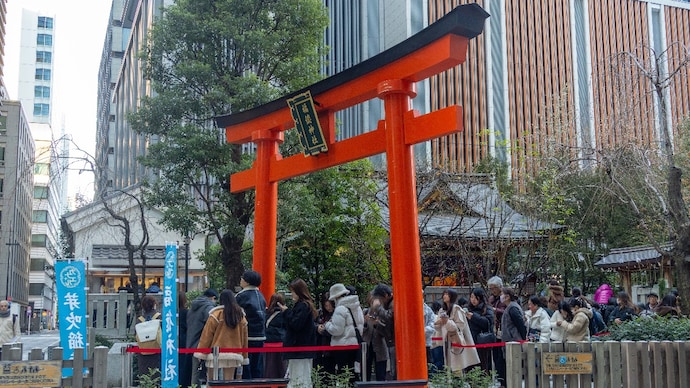
Hidden among the gleaming office towers and luxury department stores of Tokyo's Nihonbashi district stands a tiny shrine where people come to pray for their favourite artist's concert. It's called Fukutoku Shrine.
At first glance, it looks like countless other Shinto shrines scattered across Japan. A bright red torii gate - a traditional entrance found at Japanese shrines - marks the entrance, incense drifts through the air, and visitors quietly offer prayers.
The lore behind Japan's concert shrine
Founded around the ninth century, Fukutoku Shrine was originally a place where worshippers prayed to Inari, the Shinto deity associated with prosperity and abundance. According to BBC, its fortunes took a major turn in 1590 when Tokugawa Ieyasu, the powerful samurai developed a fondness for the shrine and became its patron.
Later, Fukutoku was granted permission to host lotteries, a privilege that helped fund improvements to the shrine while giving participants a chance to walk away with winnings. Unsurprisingly, the shrine soon built a reputation as a destination for those seeking a little extra luck.
Centuries later, that association with good fortune found an unexpected audience in music fans. As J-pop, K-pop and global pop concerts grew into cultural phenomena, so did the competition for tickets.
In Japan, getting a seat at a major concert often involves navigating a complex lottery system, where fans enter for the chance to buy tickets and winners are selected at random. The process is designed to be fair, but that doesn't stop hopeful fans from looking for ways to tilt the odds ever so slightly in their favour.
If the shrine is believed to help people strike it lucky in traditional lotteries, some fans believe that it might also improve their chances in the modern-day lottery of concert tickets. Whether they're hoping to see a J-pop idol, a K-pop group, or an international superstar, many visitors stop by to offer a prayer, write down a wish, and seek a little divine assistance.
After all, when tickets sell out in seconds, even a one per cent boost in luck can feel worth chasing.
And it isn't just happening in Japan
Ahead of BTS's highly anticipated concert in Taiwan, many fans visited Taipei's Bangka Longshan Temple to pray to Yue Lao, the Taoist god of love and matchmaking, for help securing concert tickets, according to Reuters. Fans reportedly left purple-colored offerings, BTS merchandise, and even seating charts in the hope of securing tickets.
The belief is that Yue Lao uses a red thread of fate to bring destined people together. These days, however, fans are hoping that same thread might help connect them with their desired concert tickets, or even their preferred seats.
The practice, which gained popularity through social media, has become a ritual among K-pop fans navigating increasingly competitive ticket lotteries.
Demand is particularly high this time around, with BTS returning as a full group for performances in Taiwan for the first time since 2018.
Whether it's love, career success, or concert tickets, people have always turned to luck- and sometimes a higher power - when something matters deeply to them.
Have you ever been approached by a friend who just wants your device to book concert tickets? Not because they need another ticket, but because every extra device means one more chance.
Concerts have become far more significant than they once were. They're no longer just shows; they're experiences, memories, and often bucket-list moments. Today, concert tickets sell out within minutes - and sometimes even seconds.
Remember when tickets for Diljit Dosanjh, Coldplay, and other artists' concerts sold out in a matter of minutes? The struggle is real, just ask any concertgoer.
Even when you do everything right, the outcome isn't always guaranteed. You might join the queue early and still miss out on tickets, or log in from five different devices and fail to secure a spot. That's when fans either thank their lucky stars or blame their bad luck.
In Japan, however, some fans are going a step further. They're visiting a particular shrine and praying for a little divine intervention in their quest for concert tickets.
Hidden among the gleaming office towers and luxury department stores of Tokyo's Nihonbashi district stands a tiny shrine where people come to pray for their favourite artist's concert. It's called Fukutoku Shrine.
At first glance, it looks like countless other Shinto shrines scattered across Japan. A bright red torii gate - a traditional entrance found at Japanese shrines - marks the entrance, incense drifts through the air, and visitors quietly offer prayers.
The lore behind Japan's concert shrine
Founded around the ninth century, Fukutoku Shrine was originally a place where worshippers prayed to Inari, the Shinto deity associated with prosperity and abundance. According to BBC, its fortunes took a major turn in 1590 when Tokugawa Ieyasu, the powerful samurai developed a fondness for the shrine and became its patron.
Later, Fukutoku was granted permission to host lotteries, a privilege that helped fund improvements to the shrine while giving participants a chance to walk away with winnings. Unsurprisingly, the shrine soon built a reputation as a destination for those seeking a little extra luck.
Centuries later, that association with good fortune found an unexpected audience in music fans. As J-pop, K-pop and global pop concerts grew into cultural phenomena, so did the competition for tickets.
In Japan, getting a seat at a major concert often involves navigating a complex lottery system, where fans enter for the chance to buy tickets and winners are selected at random. The process is designed to be fair, but that doesn't stop hopeful fans from looking for ways to tilt the odds ever so slightly in their favour.
If the shrine is believed to help people strike it lucky in traditional lotteries, some fans believe that it might also improve their chances in the modern-day lottery of concert tickets. Whether they're hoping to see a J-pop idol, a K-pop group, or an international superstar, many visitors stop by to offer a prayer, write down a wish, and seek a little divine assistance.
After all, when tickets sell out in seconds, even a one per cent boost in luck can feel worth chasing.
And it isn't just happening in Japan
Ahead of BTS's highly anticipated concert in Taiwan, many fans visited Taipei's Bangka Longshan Temple to pray to Yue Lao, the Taoist god of love and matchmaking, for help securing concert tickets, according to Reuters. Fans reportedly left purple-colored offerings, BTS merchandise, and even seating charts in the hope of securing tickets.
The belief is that Yue Lao uses a red thread of fate to bring destined people together. These days, however, fans are hoping that same thread might help connect them with their desired concert tickets, or even their preferred seats.
The practice, which gained popularity through social media, has become a ritual among K-pop fans navigating increasingly competitive ticket lotteries.
Demand is particularly high this time around, with BTS returning as a full group for performances in Taiwan for the first time since 2018.
Whether it's love, career success, or concert tickets, people have always turned to luck- and sometimes a higher power - when something matters deeply to them.

