Column | The Ethanol Dilemma!
Accelerated ethanol-blend rollout leaves 200 million consumers in the lurch
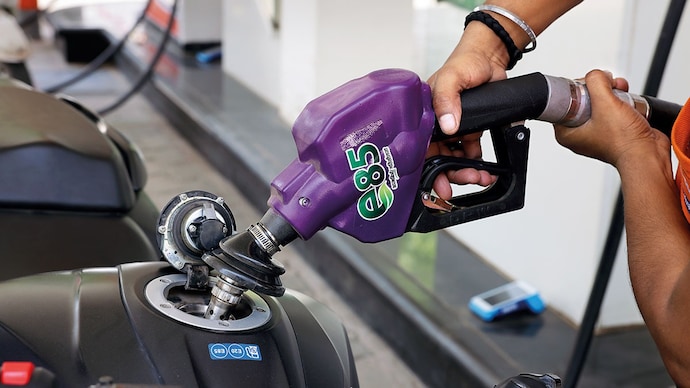
It sounded like a win-win proposition. Reduce our country’s foreign exchange outflows and reduce dependence on the vagaries of international markets, often subject to shifting geopolitical realities, by substituting a byproduct of one of the biggest agro-industries in the country.
It sounded like a win-win proposition. Reduce our country’s foreign exchange outflows and reduce dependence on the vagaries of international markets, often subject to shifting geopolitical realities, by substituting a byproduct of one of the biggest agro-industries in the country.
India started blending in under 2 per cent ethanol in 2014 and manufacturing E10 compliant vehicles about a decade ago. The timelines for ethanol blending were advanced and we went to E10 ahead of schedule in 2022. All seemed fine as the automotive industry had already started manufacturing E10-compliant vehicles; first E5, then E10, were implemented in certain geographies and expanded pan-India.
Delay in expanding E10 use was primarily due to lack of material to manufacture ethanol and lack of distilling facilities. However, the National Biofuels Policy in 2018 and an aggressive roadmap to have E20 by 2030 led to considerable investment in distilling capacity and supply chains to funnel more foodgrains into the manufacture of ethanol.
Fast-forward to today. Huge investment has gone into ethanol distilling infrastructure. The government has sped up the implementation of E20 blend by nearly five years. Even that leaves nearly half of the installed ethanol distillation capacity unused. The government is mulling moving to higher blending. That leaves some 200 million-plus vehicles capable of running on E10 blends or lower highly susceptible to faster corrosion and facing unprecedented costs to keep them operational.
As ethanol demand grows, a lot more sugarcane juice concentrate is being diverted to manufacturing ethanol rather than sugar. More maize is being grown and diverted to ethanol distillation. More foodgrains, like broken rice, are being used.
Second-gen technologies for ethanol manufacturing are in their infancy, but there is hope that non-food agricultural produce will become the primary sources of ethanol in the next decade. What is needed is a multi-faceted policy to reduce our petroleum import bill, protect the investments of 200 million common Indians and give consumers a choice.
It is not rocket science. While we began experiments with ethanol-blended petrol in the second decade of this century, Brazil embarked on it in the first half of the previous century. Its blend of ethanol has varied with global petroleum prices and availability of domestic ethanol. It settled on E27 as standard since 2015 and is going up to E100. Flex fuel vehicles constitute over 90 per cent of passenger vehicle sales; people can choose what to fill depending on prices.
In India, too, as we move to E85 fuel, we must incentivise a switch to flex fuel vehicles. Market forces should decide ethanol price and ensure people can pay higher for an E10 blend to keep using older vehicles. We need more flex fuel vehicles on the road that can adapt to differing blends depending on national and global conditions, availability and price of both petrol and ethanol.

