Cross currents | Iran and India's shared civilisational memory
An exhibition focuses on the shared civilisational memory of Iran and India
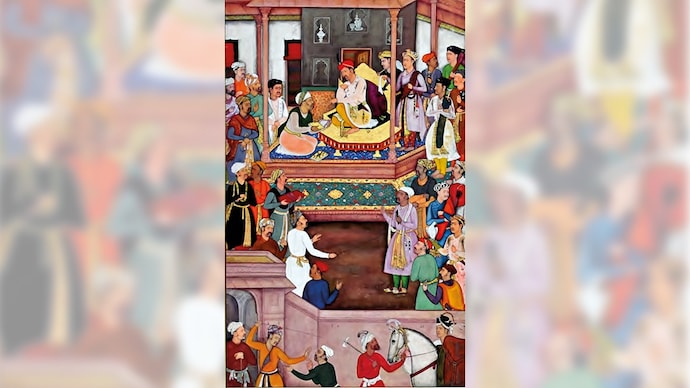
At Sunder Nursery in Delhi, the exhibition Shared Epic Worlds: The Shahnameh, the Mahabharata, and the Indo-Persian Imagination explores the deep literary and cultural connections between Iran and India through epic manuscripts, translation traditions, painting and shared memory. Presented by the Aga Khan Trust for Culture in collaboration with the Noor International Microfilm Centre (NIMC) in Iran, at the heart of the exhibition is the relationship between the Shahnameh and the Mahabharata, two monumental works that still shape the cultural imagination of their respective civilisations. “The deepest resonances between the Shahnameh and the Mahabharata are not to be found in superficial similarities, but in their shared grammar of epic narration and in their common ethical and philosophical core,” says Shahab Khajeh Piri, deputy director, NIMC.
At Sunder Nursery in Delhi, the exhibition Shared Epic Worlds: The Shahnameh, the Mahabharata, and the Indo-Persian Imagination explores the deep literary and cultural connections between Iran and India through epic manuscripts, translation traditions, painting and shared memory. Presented by the Aga Khan Trust for Culture in collaboration with the Noor International Microfilm Centre (NIMC) in Iran, at the heart of the exhibition is the relationship between the Shahnameh and the Mahabharata, two monumental works that still shape the cultural imagination of their respective civilisations. “The deepest resonances between the Shahnameh and the Mahabharata are not to be found in superficial similarities, but in their shared grammar of epic narration and in their common ethical and philosophical core,” says Shahab Khajeh Piri, deputy director, NIMC.
The exhibition revisits the Mughal translation movement initiated under Akbar through the Maktab Khana, or House of Translation, where Hindu and Muslim scholars collaborated to translate Sanskrit texts into Persian.
—The exhibition will run till June 4

