Net-zero evolution | Mahindra Lifespaces
In an exclusive conversation, Vimalendra Singh of Mahindra Lifespaces, explains how marrying people, planet and profit delivers future-proof, multi-generational ecosystems
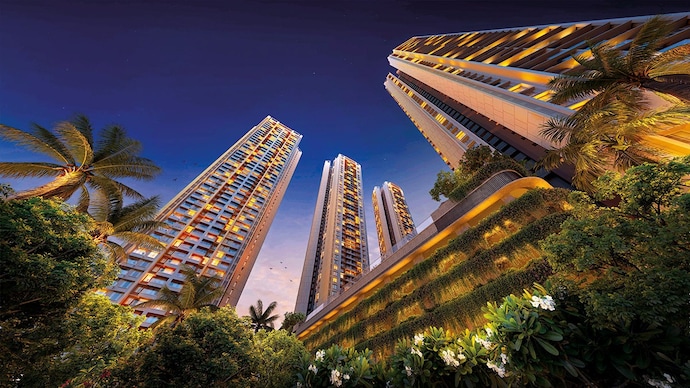
At Mahindra Lifespaces, customer centricity dictates the entire development lifecycle. “Everything that we try and do, we try and do with keeping people at the centre of how we design, how we build, how it works,” says Vimalendra Singh, Chief Business Officer Residential, Mahindra Lifespaces. This human-first focus prioritises high-value, functional infrastructure over a long checklist of sub-par amenities.
At Mahindra Lifespaces, customer centricity dictates the entire development lifecycle. “Everything that we try and do, we try and do with keeping people at the centre of how we design, how we build, how it works,” says Vimalendra Singh, Chief Business Officer Residential, Mahindra Lifespaces. This human-first focus prioritises high-value, functional infrastructure over a long checklist of sub-par amenities.
PASSIVE GREEN ENGINEERING
This philosophy extends directly to the environment, a commitment Singh notes is part of their DNA. The company has maintained a 100 per cent green-certified portfolio since 2014 and pioneered India’s first net-zero energy residential project in Bangalore. Remarkably, this sustainability comes at no extra cost to the buyer. “We charge zero premium, because customers don’t pay premium for net-zero,” he explains. Instead, efficiency is achieved passively through smart design, utilising sun-path tracking, solar panels and strategic window placement to ensure proper air can flow in the house.
PROFIT WITH PURPOSE
While building green, the company successfully pairs purpose with financial viability. “We believe in profit with purpose; profit and purpose go together,” asserts Singh. To sustain this model, the developer focuses exclusively on mid-premium and premium projects, mandating a minimum of an IGBC Gold certification. To maintain these net-zero standards post-handover, Singh reveals that “green clauses are also part of our agreement for sale,” establishing clear structural guidelines for the community.
SPATIAL SECURITY NET
This focus on resilient, high-quality spaces aligns perfectly with the evolving psychology of the post-pandemic Indian buyer. “People value space now,” he observes, noting that the traditional 1BHK is nearly extinct in cities like Mumbai. “The shift towards larger houses is playing out.” Amid macroeconomic fluctuations, buyers are also purchasing multiple properties as a safety net. “People have very clearly realised that the biggest safety net that one has is a home,” concludes Singh.

