Eco Watch | Canine disease outbreak: The Gir lion killer
Free-ranging dogs are the primary link in recurring CDV outbreaks
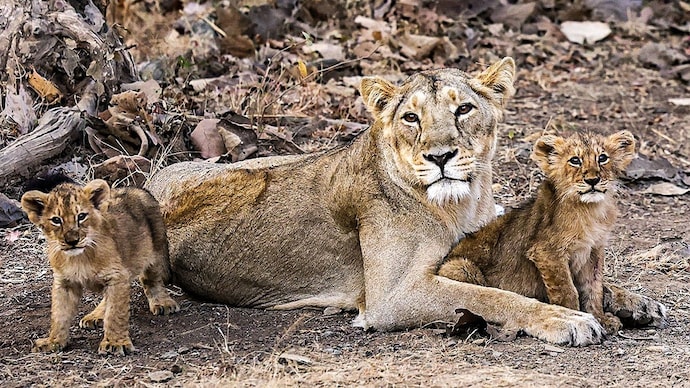
Eleven Asiatic lions, many of them cubs, have died this May in Gujarat’s Gir region from a suspected outbreak of canine distemper virus (CDV) and babesiosis. State forests minister Arjun Modhwadia said vaccination, de-ticking and isolation drives were under way on a “war footing”. Over 350 lions have been ‘de-ticked’ so far; 17 displaying symptoms have been isolated.
Eleven Asiatic lions, many of them cubs, have died this May in Gujarat’s Gir region from a suspected outbreak of canine distemper virus (CDV) and babesiosis. State forests minister Arjun Modhwadia said vaccination, de-ticking and isolation drives were under way on a “war footing”. Over 350 lions have been ‘de-ticked’ so far; 17 displaying symptoms have been isolated.
Initially, the deaths were attributed to babesiosis, an infectious disease transmitted by a tick-borne protozoan parasite that destroys red blood cells and causes severe anaemia. Since then, CDV has also been blamed. The pairing is ominous. Between September and November 2018, a combined CDV-babesiosis outbreak killed at least 23 lions in Gir East. The National Institute of Virology sequenced a near-complete CDV genome and found it related to the strain that wiped out 1,000 lions in Tanzania’s Serengeti in 1994.
CDV recurs in Gir because the transmission pathway is integral to the region’s lion landscape. Free-ranging dogs are the primary link; lions encounter and prey on them at the forest-village interface, typically while scavenging on livestock carcasses. The 2025 census put Gujarat’s lion population at 891, but only 55.8 per cent live in forest areas. The remaining 44.2 per cent move around in human inhabited lands. Amreli district, where the current deaths are concentrated, holds 332 lions, the largest population outside Gir National Park.
In April 2013, the Supreme Court had ordered the translocation of a few prides to Kuno-Palpur Wildlife Sanctuary in Madhya Pradesh, citing precisely this epidemic risk. Thirteen years on, not one lion has been shifted. Kuno now hosts African cheetahs.

