Health Watch | Rotavirus vaccine: An improved coverage
Rotavirus vaccination coverage has registered a dramatic rise
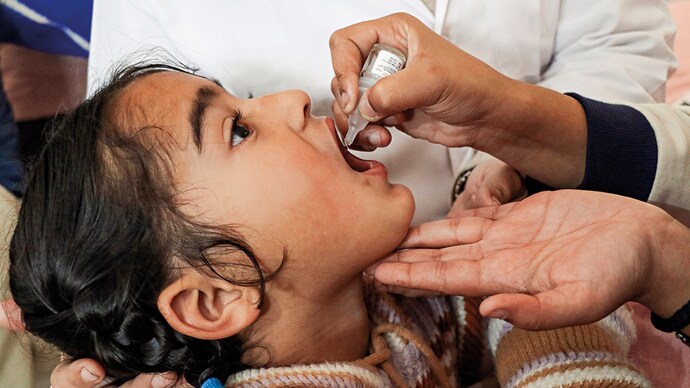
One of the standout findings from the sixth round of the National Family Health Survey (NFHS-6) is the dramatic rise in rotavirus vaccination coverage among Indian children. Coverage has more than doubled since NFHS-5, increasing from 36.4 per cent to over 85 per cent, making it one of the fastest-growing components of the immunisation programme.
One of the standout findings from the sixth round of the National Family Health Survey (NFHS-6) is the dramatic rise in rotavirus vaccination coverage among Indian children. Coverage has more than doubled since NFHS-5, increasing from 36.4 per cent to over 85 per cent, making it one of the fastest-growing components of the immunisation programme.
The achievement matters as rotavirus is a leading cause of severe diarrhoea in infants and young children. While diarrhoea may sound like a routine childhood illness, severe cases can lead to dehydration, hospitalisation and, in vulnerable settings, even death. For years, rotavirus-related illness placed a big burden on families and healthcare systems, particularly in rural and low-resource communities.
The sharp increase in vaccine uptake suggests that India has successfully expanded access to a relatively newer vaccine through its public health system. It is also an indicator that more parents are receiving timely childhood immunisations and that frontline health workers are reaching families who may previously have been left out.
The rotavirus gains are part of a broader immunisation success story. NFHS-6 found that full immunisation coverage among children aged 12–23 months rose to 87.1 per cent, while more than 96 per cent received at least one vaccine. The second dose coverage of the vaccine that contains measles also improved significantly. Taken together, the findings suggest that India is steadily closing longstanding immunisation gaps.

