Cocktail 2 vs Cocktail: Sicily, style and Shahid but where's the punch?
Cocktail 2 may be creating waves in theatres, but despite its glossy visuals, picturesque locations and star-studded cast, it struggles to recreate the emotional depth and character-driven storytelling that made Cocktail such a memorable watch.
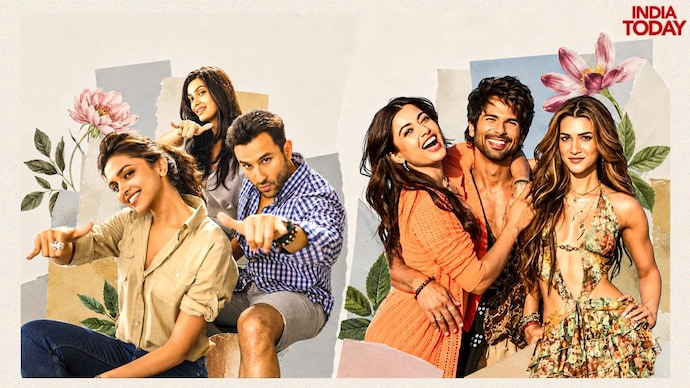
Cocktail 2 is running in theatres - bigger, bolder, glossier, and far more international than its predecessor. On paper, it has everything a modern Bollywood romantic drama needs: a star-studded cast, stunning foreign locations, chart-friendly music and a love triangle designed for the social media generation.
What it does not seem to have, however, is the emotional nuance that made Cocktail (2012) resonate with audiences over a decade ago. Let's be honest. Cocktail was far from perfect. Its gender politics often felt lopsided, and its ending remains a point of debate even today. Yet, despite its flaws, it had something that made viewers invest in its memorable performances, relatable friendships, chartbuster music and characters that felt emotionally real.
Cocktail 2, starring Shahid Kapoor (Kunal), Kriti Sanon (Ally) and Rashmika Mandanna (Diya), attempts to recreate that magic while taking audiences through a whirlwind of romance, betrayal and self-discovery against the breathtaking backdrop of Sicily. The problem is that somewhere between the glossy visuals and aesthetic perfection, the film loses sight of its emotional core.
While the original revolved around a classic London-set love triangle packed with heart and emotional complexity, the sequel replaces that depth with a glossy loyalty test unfolding against the picturesque backdrop of Italy. Both films are messy romantic comedies, but the original undoubtedly possesses the stronger emotional pull.
For all its modern vibe, both films depict the same thing: It’s the guy who gets the last word.
Yet what made Cocktail work was not necessarily its gender politics, but the emotional honesty with which it told its story. The friendship between Gautam, Veronica and Meera felt lived-in, while their heartbreaks felt earned.
Whether it was Veronica (Deepika Padukone) masking her loneliness behind a carefree exterior or Meera trying to find her place in a world completely different from her own, every emotional beat felt believable. From songs like Chadhi Mujhe Yaari to Tum Hi Ho Bandhu, every moment strengthened the bond between the three protagonists.
But somewhere down the line, those emotions seemed to have been lost in its spiritual sequel. Although the new film tries to inherit the same framework, it struggles to replicate that emotional investment on the big screen. Shahid, Kriti and Rashmika are attractive performers, but are they the best choice for the film? Can beauty alone replace chemistry?
You know, the best part of Cocktail remained the way its characters and their backstories were woven seamlessly into the narrative. Take Veronica, for example. Despite hailing from a privileged background, her emotionally neglected upbringing shaped her into a fiercely loyal yet deeply vulnerable woman. Her actions, flaws and heartbreak all stemmed from a place the audience could understand.
This seemed to be missing while creating Ally's character arc in Cocktail 2. Even though she is clear about what she wants in life and confident that she can get it through her charm and determination, the lack of a well-developed backstory makes it difficult to fully understand her motivations.
Well, not just the leads, the difference was quite visible in the supporting cast as well. While the characters played by Dimple Kapadia and Boman Irani may not have occupied much screen time in the first film, they contributed meaningfully to the emotional fabric of the story. Every character had room to breathe. Every character mattered.
However, that seemed to have been neglected in the second film, where actors like Tiku Talsania, Neelu Kohli and Suparna Marwah felt largely underutilised.
Even visually, the two films leave very different impressions.
Cocktail made viewers want to be part of Gautam, Veronica and Meera's world. Cocktail 2 makes you want to book a ticket to Sicily. The picturesque coastlines, vineyards and stunning sea-facing locations repeatedly steal attention away from the story itself. From the hourglass sequence between Kunal and Ally by the sea to their scenic road trip through the countryside, every moment would leave you smitten by the beauty of the place, not the story or its characters.
Here's a question worth asking director Homi Adajania: as breathtaking as Sicily is, can great locations shoulder the story and take it to the shore? What ultimately made Cocktail memorable was not where its characters were, but who they were.
Saif Ali Khan was arguably the biggest star in Cocktail at that time, but he never ended up overshadowing Diana Penty. Meera's journey mattered just as much as Gautam's or Veronica's, allowing Diana to leave a lasting impression in her debut film. Cocktail trusted all three of its leads to carry the narrative equally. So, what made Adajania take a different route with the sequel?
Why did he choose to tell the story in a way that gave Kriti and Rashmika plenty of screen time, but not enough emotional depth to Shahid's character? While both actors are constantly present on screen, their characters rarely receive the kind of development that made Veronica and Meera so memorable in the original. The choices made in shaping the characters also ended up underutilising Shahid’s potential as a true rom-com hero. But that is a conversation for another day, because the film has far bigger issues to contend with.
If we're drawing comparisons between the two films, it would be unfair to leave the music out of the conversation. After all, Cocktail wasn't just remembered for its love triangle; its songs became chartbusters. Cocktail 2 clearly understands the importance of music and tries hard to recreate that magic. Yet, in the process of doing so, it leans on nostalgia by serving up Bandhu 2.0, almost borrowing from the goodwill of the first film to build instant listener appeal.
Among the new tracks, only the peppy Valla and Jab Talak come close to matching the energy and expectations set by the original soundtrack.
Cocktail 2 gets many things right. It looks good, sounds good and understands the appeal of modern romance. But it also serves as a reminder that nostalgia cannot be recreated through songs, aesthetics or familiar storytelling beats alone. The original Cocktail endures because of its characters. Years later, audiences still remember Veronica. Whether they will remember Cocktail 2's trio with the same affection remains a far more difficult question.
Cocktail 2 is running in theatres - bigger, bolder, glossier, and far more international than its predecessor. On paper, it has everything a modern Bollywood romantic drama needs: a star-studded cast, stunning foreign locations, chart-friendly music and a love triangle designed for the social media generation.
What it does not seem to have, however, is the emotional nuance that made Cocktail (2012) resonate with audiences over a decade ago. Let's be honest. Cocktail was far from perfect. Its gender politics often felt lopsided, and its ending remains a point of debate even today. Yet, despite its flaws, it had something that made viewers invest in its memorable performances, relatable friendships, chartbuster music and characters that felt emotionally real.
Cocktail 2, starring Shahid Kapoor (Kunal), Kriti Sanon (Ally) and Rashmika Mandanna (Diya), attempts to recreate that magic while taking audiences through a whirlwind of romance, betrayal and self-discovery against the breathtaking backdrop of Sicily. The problem is that somewhere between the glossy visuals and aesthetic perfection, the film loses sight of its emotional core.
While the original revolved around a classic London-set love triangle packed with heart and emotional complexity, the sequel replaces that depth with a glossy loyalty test unfolding against the picturesque backdrop of Italy. Both films are messy romantic comedies, but the original undoubtedly possesses the stronger emotional pull.
For all its modern vibe, both films depict the same thing: It’s the guy who gets the last word.
Yet what made Cocktail work was not necessarily its gender politics, but the emotional honesty with which it told its story. The friendship between Gautam, Veronica and Meera felt lived-in, while their heartbreaks felt earned.
Whether it was Veronica (Deepika Padukone) masking her loneliness behind a carefree exterior or Meera trying to find her place in a world completely different from her own, every emotional beat felt believable. From songs like Chadhi Mujhe Yaari to Tum Hi Ho Bandhu, every moment strengthened the bond between the three protagonists.
But somewhere down the line, those emotions seemed to have been lost in its spiritual sequel. Although the new film tries to inherit the same framework, it struggles to replicate that emotional investment on the big screen. Shahid, Kriti and Rashmika are attractive performers, but are they the best choice for the film? Can beauty alone replace chemistry?
You know, the best part of Cocktail remained the way its characters and their backstories were woven seamlessly into the narrative. Take Veronica, for example. Despite hailing from a privileged background, her emotionally neglected upbringing shaped her into a fiercely loyal yet deeply vulnerable woman. Her actions, flaws and heartbreak all stemmed from a place the audience could understand.
This seemed to be missing while creating Ally's character arc in Cocktail 2. Even though she is clear about what she wants in life and confident that she can get it through her charm and determination, the lack of a well-developed backstory makes it difficult to fully understand her motivations.
Well, not just the leads, the difference was quite visible in the supporting cast as well. While the characters played by Dimple Kapadia and Boman Irani may not have occupied much screen time in the first film, they contributed meaningfully to the emotional fabric of the story. Every character had room to breathe. Every character mattered.
However, that seemed to have been neglected in the second film, where actors like Tiku Talsania, Neelu Kohli and Suparna Marwah felt largely underutilised.
Even visually, the two films leave very different impressions.
Cocktail made viewers want to be part of Gautam, Veronica and Meera's world. Cocktail 2 makes you want to book a ticket to Sicily. The picturesque coastlines, vineyards and stunning sea-facing locations repeatedly steal attention away from the story itself. From the hourglass sequence between Kunal and Ally by the sea to their scenic road trip through the countryside, every moment would leave you smitten by the beauty of the place, not the story or its characters.
Here's a question worth asking director Homi Adajania: as breathtaking as Sicily is, can great locations shoulder the story and take it to the shore? What ultimately made Cocktail memorable was not where its characters were, but who they were.
Saif Ali Khan was arguably the biggest star in Cocktail at that time, but he never ended up overshadowing Diana Penty. Meera's journey mattered just as much as Gautam's or Veronica's, allowing Diana to leave a lasting impression in her debut film. Cocktail trusted all three of its leads to carry the narrative equally. So, what made Adajania take a different route with the sequel?
Why did he choose to tell the story in a way that gave Kriti and Rashmika plenty of screen time, but not enough emotional depth to Shahid's character? While both actors are constantly present on screen, their characters rarely receive the kind of development that made Veronica and Meera so memorable in the original. The choices made in shaping the characters also ended up underutilising Shahid’s potential as a true rom-com hero. But that is a conversation for another day, because the film has far bigger issues to contend with.
If we're drawing comparisons between the two films, it would be unfair to leave the music out of the conversation. After all, Cocktail wasn't just remembered for its love triangle; its songs became chartbusters. Cocktail 2 clearly understands the importance of music and tries hard to recreate that magic. Yet, in the process of doing so, it leans on nostalgia by serving up Bandhu 2.0, almost borrowing from the goodwill of the first film to build instant listener appeal.
Among the new tracks, only the peppy Valla and Jab Talak come close to matching the energy and expectations set by the original soundtrack.
Cocktail 2 gets many things right. It looks good, sounds good and understands the appeal of modern romance. But it also serves as a reminder that nostalgia cannot be recreated through songs, aesthetics or familiar storytelling beats alone. The original Cocktail endures because of its characters. Years later, audiences still remember Veronica. Whether they will remember Cocktail 2's trio with the same affection remains a far more difficult question.

