Hanuman Ansh director shares how he brought Neem Karoli Baba's story to screen
Director Vishal Chaturvedi and actor Shobinaw Satyaa have shared how Hanuman Ansh took Neem Karoli Baba's story to screen. Their account traces years of research, unexpected casting and a film shaped by spirituality rather than biopic formula.
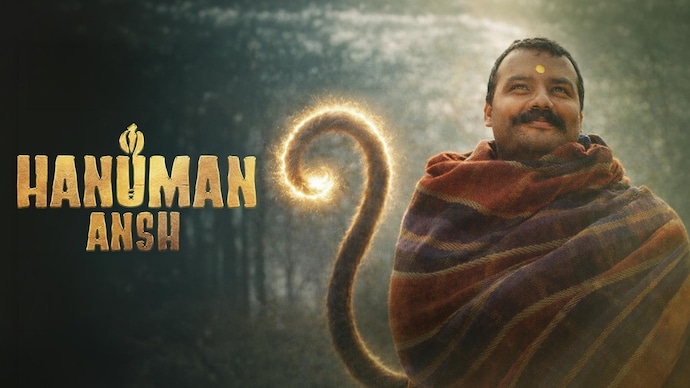
Hanuman Ansh director Vishal Chaturvedi says he had been carrying the story of Neem Karoli Baba with him for nearly two decades. For actor Shobinaw Satyaa, who plays the spiritual figure, the journey began much earlier than he expected — while he was working on the film as an assistant director.
Speaking to India Today, Chaturvedi and Satyaa opened up about the making of Hanuman Ansh, their research into Neem Karoli Baba’s life, spirituality and the unusual experiences they encountered while making the film.
For Chaturvedi, the journey began nearly 20 years ago when he was posted in Nainital. He recalled travelling in a car with friends during heavy rain. When the rain briefly stopped, they decided to step outside. The door opened directly under the gate of Kainchi Dham.
“It literally felt like an invitation — as if someone was saying, ‘Come inside’,” he told India Today. The experience stayed with him. He began learning about Neem Karoli Baba and eventually decided that he wanted to tell his story on screen.
After working in the industry for around 15 years, Chaturvedi started pitching the project. A response from an OTT platform, however, only strengthened his resolve to make it.
“I also felt that here was a saint who was born in the 20th century, but whose teachings and influence are relevant to the 21st century,” he said.
Chaturvedi felt that while Baba had followers around the world like Steve Jobs, Mark Zuckerberg and Julia Roberts, many Indians were still unfamiliar with his life and teachings.
From research to screenplay
The director said his research began informally around 2009, when he would discuss stories about Baba with his friend Kunal Madhav, who had a family connection to people associated with him.
By 2016-17, Chaturvedi had started systematically collecting stories and thinking about how they could be adapted for cinema. The research became more extensive around 2022-23.
His interest in Hanuman bhakti also deepened during the Covid-19 pandemic. He founded a Clubhouse group called 'Hanuman Chalisa', where people from different parts of the world would gather to recite the prayer.
That experience eventually brought him back to Neem Karoli Baba, whom devotees consider Hanuman ansh or an aspect of Hanuman.
Chaturvedi said he travelled to places associated with Baba, including Vrindavan, Akbarpur, Neeb Karori and Lucknow, while meeting people and collecting accounts.
“We wanted the film to be factually accurate, so we focused on events that were mentioned in books or documented through credible online sources,” he said.
He added that while some cinematic liberty was taken to connect different events, most of the incidents featured in the film were based on documented accounts.
Why Hanuman Ansh isn't a conventional biopic
Rather than dividing the story into different chapters, Chaturvedi wanted the film to have one continuous narrative.
The story is held together by a grandfather who recounts events from Baba's life to his grandson. The child's questions allow the film to move between different incidents without breaking its narrative flow.
Chaturvedi also wanted to avoid the conventional hero-versus-villain structure.
“There is no villain in Hanuman Ansh,” he said, explaining that the film looks at a person's habits, behaviour and way of thinking as the things that need to change.
The director said the film does not target any particular community, caste, religion or gender. Instead, it focuses on transformation through spirituality.
The making of the film also brought several experiences that Chaturvedi described as “leelas” or miracles.
One involved a langur that appeared during the shoot in Chitrakoot and stayed with the team for two days. Coincidentally, the team was filming sequences involving the installation of a Hanuman idol and the construction of Baba's cave.
The director also recalled an unexpected discovery about the location where the first scene was filmed.
The team chose an old room at Punjabi Baba Ashram in Chitrakoot because it suited the film. Later, while discussing the shoot with someone in Vrindavan, Chaturvedi learnt that Neem Karoli Baba himself had stayed in that same room.
“How do you explain landing at such a place without knowing any of this?” he said.
From assistant director to playing Baba
For Shobinaw Satyaa, the role came unexpectedly. He was working as the film's second assistant director, handling props and other responsibilities, when the actor originally cast in the lead fell ill and Chaturvedi eventually decided to cast Satyaa.
“One day I was an assistant director on the film, and the next morning I was playing the lead character,” Satyaa recalled.
He had already been a devotee of Neem Karoli Baba since 2009 and had followed a spiritual lifestyle for several years. He also began observing a Tuesday fast for Lord Hanuman in 2018 and adopted a vegetarian lifestyle. Satyaa believes those years had unknowingly prepared him for the role.
“It feels as if Baba had started preparing me for this role years ago,” he said. For the actor, playing Baba was therefore not simply about studying a character. He relied on Chaturvedi's years of research while also bringing aspects of his own personality into the performance.
The director encouraged him to retain his natural way of talking, laughing and interacting with people.
‘There is something for every generation’
Satyaa believes Hanuman Ansh has something to offer audiences across age groups. “I can't even begin to tell you how much there is to learn from this film,” he said. “There is something in it for children, something for older people and something for every generation.”
For Chaturvedi, the larger aim is to bring the story of an Indian saint to audiences who may not know his life — while showing how spirituality can influence individuals, families and communities.
Hanuman Ansh released in cinemas on August 7, 2026
Hanuman Ansh director Vishal Chaturvedi says he had been carrying the story of Neem Karoli Baba with him for nearly two decades. For actor Shobinaw Satyaa, who plays the spiritual figure, the journey began much earlier than he expected — while he was working on the film as an assistant director.
Speaking to India Today, Chaturvedi and Satyaa opened up about the making of Hanuman Ansh, their research into Neem Karoli Baba’s life, spirituality and the unusual experiences they encountered while making the film.
For Chaturvedi, the journey began nearly 20 years ago when he was posted in Nainital. He recalled travelling in a car with friends during heavy rain. When the rain briefly stopped, they decided to step outside. The door opened directly under the gate of Kainchi Dham.
“It literally felt like an invitation — as if someone was saying, ‘Come inside’,” he told India Today. The experience stayed with him. He began learning about Neem Karoli Baba and eventually decided that he wanted to tell his story on screen.
After working in the industry for around 15 years, Chaturvedi started pitching the project. A response from an OTT platform, however, only strengthened his resolve to make it.
“I also felt that here was a saint who was born in the 20th century, but whose teachings and influence are relevant to the 21st century,” he said.
Chaturvedi felt that while Baba had followers around the world like Steve Jobs, Mark Zuckerberg and Julia Roberts, many Indians were still unfamiliar with his life and teachings.
From research to screenplay
The director said his research began informally around 2009, when he would discuss stories about Baba with his friend Kunal Madhav, who had a family connection to people associated with him.
By 2016-17, Chaturvedi had started systematically collecting stories and thinking about how they could be adapted for cinema. The research became more extensive around 2022-23.
His interest in Hanuman bhakti also deepened during the Covid-19 pandemic. He founded a Clubhouse group called 'Hanuman Chalisa', where people from different parts of the world would gather to recite the prayer.
That experience eventually brought him back to Neem Karoli Baba, whom devotees consider Hanuman ansh or an aspect of Hanuman.
Chaturvedi said he travelled to places associated with Baba, including Vrindavan, Akbarpur, Neeb Karori and Lucknow, while meeting people and collecting accounts.
“We wanted the film to be factually accurate, so we focused on events that were mentioned in books or documented through credible online sources,” he said.
He added that while some cinematic liberty was taken to connect different events, most of the incidents featured in the film were based on documented accounts.
Why Hanuman Ansh isn't a conventional biopic
Rather than dividing the story into different chapters, Chaturvedi wanted the film to have one continuous narrative.
The story is held together by a grandfather who recounts events from Baba's life to his grandson. The child's questions allow the film to move between different incidents without breaking its narrative flow.
Chaturvedi also wanted to avoid the conventional hero-versus-villain structure.
“There is no villain in Hanuman Ansh,” he said, explaining that the film looks at a person's habits, behaviour and way of thinking as the things that need to change.
The director said the film does not target any particular community, caste, religion or gender. Instead, it focuses on transformation through spirituality.
The making of the film also brought several experiences that Chaturvedi described as “leelas” or miracles.
One involved a langur that appeared during the shoot in Chitrakoot and stayed with the team for two days. Coincidentally, the team was filming sequences involving the installation of a Hanuman idol and the construction of Baba's cave.
The director also recalled an unexpected discovery about the location where the first scene was filmed.
The team chose an old room at Punjabi Baba Ashram in Chitrakoot because it suited the film. Later, while discussing the shoot with someone in Vrindavan, Chaturvedi learnt that Neem Karoli Baba himself had stayed in that same room.
“How do you explain landing at such a place without knowing any of this?” he said.
From assistant director to playing Baba
For Shobinaw Satyaa, the role came unexpectedly. He was working as the film's second assistant director, handling props and other responsibilities, when the actor originally cast in the lead fell ill and Chaturvedi eventually decided to cast Satyaa.
“One day I was an assistant director on the film, and the next morning I was playing the lead character,” Satyaa recalled.
He had already been a devotee of Neem Karoli Baba since 2009 and had followed a spiritual lifestyle for several years. He also began observing a Tuesday fast for Lord Hanuman in 2018 and adopted a vegetarian lifestyle. Satyaa believes those years had unknowingly prepared him for the role.
“It feels as if Baba had started preparing me for this role years ago,” he said. For the actor, playing Baba was therefore not simply about studying a character. He relied on Chaturvedi's years of research while also bringing aspects of his own personality into the performance.
The director encouraged him to retain his natural way of talking, laughing and interacting with people.
‘There is something for every generation’
Satyaa believes Hanuman Ansh has something to offer audiences across age groups. “I can't even begin to tell you how much there is to learn from this film,” he said. “There is something in it for children, something for older people and something for every generation.”
For Chaturvedi, the larger aim is to bring the story of an Indian saint to audiences who may not know his life — while showing how spirituality can influence individuals, families and communities.
Hanuman Ansh released in cinemas on August 7, 2026
Hanuman Ansh director Vishal Chaturvedi says he had been carrying the story of Neem Karoli Baba with him for nearly two decades. For actor Shobinaw Satyaa, who plays the spiritual figure, the journey began much earlier than he expected — while he was working on the film as an assistant director.
Speaking to India Today, Chaturvedi and Satyaa opened up about the making of Hanuman Ansh, their research into Neem Karoli Baba’s life, spirituality and the unusual experiences they encountered while making the film.
For Chaturvedi, the journey began nearly 20 years ago when he was posted in Nainital. He recalled travelling in a car with friends during heavy rain. When the rain briefly stopped, they decided to step outside. The door opened directly under the gate of Kainchi Dham.
“It literally felt like an invitation — as if someone was saying, ‘Come inside’,” he told India Today. The experience stayed with him. He began learning about Neem Karoli Baba and eventually decided that he wanted to tell his story on screen.
After working in the industry for around 15 years, Chaturvedi started pitching the project. A response from an OTT platform, however, only strengthened his resolve to make it.
“I also felt that here was a saint who was born in the 20th century, but whose teachings and influence are relevant to the 21st century,” he said.
Chaturvedi felt that while Baba had followers around the world like Steve Jobs, Mark Zuckerberg and Julia Roberts, many Indians were still unfamiliar with his life and teachings.
From research to screenplay
The director said his research began informally around 2009, when he would discuss stories about Baba with his friend Kunal Madhav, who had a family connection to people associated with him.
By 2016-17, Chaturvedi had started systematically collecting stories and thinking about how they could be adapted for cinema. The research became more extensive around 2022-23.
His interest in Hanuman bhakti also deepened during the Covid-19 pandemic. He founded a Clubhouse group called 'Hanuman Chalisa', where people from different parts of the world would gather to recite the prayer.
That experience eventually brought him back to Neem Karoli Baba, whom devotees consider Hanuman ansh or an aspect of Hanuman.
Chaturvedi said he travelled to places associated with Baba, including Vrindavan, Akbarpur, Neeb Karori and Lucknow, while meeting people and collecting accounts.
“We wanted the film to be factually accurate, so we focused on events that were mentioned in books or documented through credible online sources,” he said.
He added that while some cinematic liberty was taken to connect different events, most of the incidents featured in the film were based on documented accounts.
Why Hanuman Ansh isn't a conventional biopic
Rather than dividing the story into different chapters, Chaturvedi wanted the film to have one continuous narrative.
The story is held together by a grandfather who recounts events from Baba's life to his grandson. The child's questions allow the film to move between different incidents without breaking its narrative flow.
Chaturvedi also wanted to avoid the conventional hero-versus-villain structure.
“There is no villain in Hanuman Ansh,” he said, explaining that the film looks at a person's habits, behaviour and way of thinking as the things that need to change.
The director said the film does not target any particular community, caste, religion or gender. Instead, it focuses on transformation through spirituality.
The making of the film also brought several experiences that Chaturvedi described as “leelas” or miracles.
One involved a langur that appeared during the shoot in Chitrakoot and stayed with the team for two days. Coincidentally, the team was filming sequences involving the installation of a Hanuman idol and the construction of Baba's cave.
The director also recalled an unexpected discovery about the location where the first scene was filmed.
The team chose an old room at Punjabi Baba Ashram in Chitrakoot because it suited the film. Later, while discussing the shoot with someone in Vrindavan, Chaturvedi learnt that Neem Karoli Baba himself had stayed in that same room.
“How do you explain landing at such a place without knowing any of this?” he said.
From assistant director to playing Baba
For Shobinaw Satyaa, the role came unexpectedly. He was working as the film's second assistant director, handling props and other responsibilities, when the actor originally cast in the lead fell ill and Chaturvedi eventually decided to cast Satyaa.
“One day I was an assistant director on the film, and the next morning I was playing the lead character,” Satyaa recalled.
He had already been a devotee of Neem Karoli Baba since 2009 and had followed a spiritual lifestyle for several years. He also began observing a Tuesday fast for Lord Hanuman in 2018 and adopted a vegetarian lifestyle. Satyaa believes those years had unknowingly prepared him for the role.
“It feels as if Baba had started preparing me for this role years ago,” he said. For the actor, playing Baba was therefore not simply about studying a character. He relied on Chaturvedi's years of research while also bringing aspects of his own personality into the performance.
The director encouraged him to retain his natural way of talking, laughing and interacting with people.
‘There is something for every generation’
Satyaa believes Hanuman Ansh has something to offer audiences across age groups. “I can't even begin to tell you how much there is to learn from this film,” he said. “There is something in it for children, something for older people and something for every generation.”
For Chaturvedi, the larger aim is to bring the story of an Indian saint to audiences who may not know his life — while showing how spirituality can influence individuals, families and communities.
Hanuman Ansh released in cinemas on August 7, 2026

