How film writers keep failing Samantha's incredible versatility
Samantha Ruth Prabhu shines brightly in Maa Inti Bangaram, effortlessly owning action sequences and proving her mettle as both heroine and hero. However, despite her compelling performance, the film's weak screenplay fails to fully support her, highlighting the ongoing need for scripts that truly match her evolving talent.
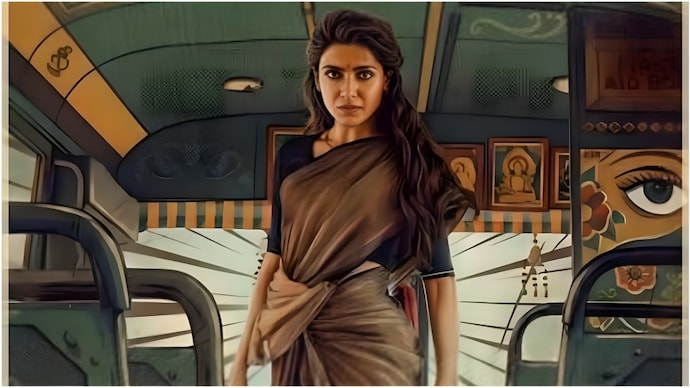
There is a moment in Maa Inti Bangaram when Samantha Ruth Prabhu walks into a fight, wearing a saree, eyes locked with her nemesis Gulshan Devaiah, shoulders squared, completely in control. As whistles echo across the theatre, for a few minutes, you are reminded of exactly why she remains one of the most magnetic actors working today. Samantha doesn't perform action; she owns every bit of it, without being performative. Every punch lands with purpose, every emotion sits quietly behind those expressive eyes. It is like second nature to her.
And then the film reminds you of its biggest problem. Samantha is doing all the heavy lifting.
In Maa Inti Bangaram, she is both the hero and the heroine of the film - an unlikely move in Telugu film industry which relies heavily on its larger-than-life mass hero for success. There is no male saviour waiting in the wings, no unnecessary glamour songs slowing the story down. It's a refreshing shift, and Samantha embraces it wholeheartedly. But while she gives the role everything she has, the film doesn't quite return the favour. The story loses steam, the emotional stakes never fully settle, and Devaiah, an actor capable of so much more, ends up with a villain who never feels truly threatening.
It's a feeling that's becoming all too familiar.
Because this isn't about Samantha losing her spark. Quite the opposite. She has only grown more fearless as an actor. What's missing are the scripts that once met her where she stood.
Think about the last few years. Kushi (2023) had all the ingredients of a breezy romance but eventually slipped into familiar territory. Her chemistry with Vijay Deverakonda got fans confused for a brief minute. Prime Video's action-series Citadel: Honey Bunny (2024), with Varun Dhawan, looked polished and ambitious, yet left Samantha's character searching for emotional depth beneath all the spectacle. Shaakuntalam (2023) aspired to be grand but struggled to find its heart. Even her brief appearance in Subham (2025) felt like a reminder of how much more she can bring when given the chance.
It's almost as if Samantha keeps turning up for the right challenge, only to find herself in films that don't know what to do with her. And that's frustrating, because we've seen what happens when the writing truly backs her.
Long before she became synonymous with action, Samantha built her career on making people feel. In Gautham Menon's Ye Maaya Chesave (2010), opposite Naga Chaitanya, Jessie wasn't memorable because she delivered dramatic monologues or because she danced under the rain, lovestruck. She was unforgettable because of the little things. Samantha understood that sometimes silence says more than dialogue ever can.
Then came SS Rajamoul's blockbuster Eega (2011), where her co-star was literally a housefly. Yet somehow, she made us feel it all – the grief, the love, the resilience. That's what Samantha does best. She finds the heart in even the most unbelievable stories.
But, years later, it was Super Deluxe (2018) that truly changed the conversation around her. Gone was the polished star image. In its place was Vaembu – messy, flawed, morally complicated and deeply human. Samantha disappeared into the role so completely that you stopped seeing the star and started seeing the woman.
She carried that honesty into Majili (2018). As Sravani, she loved quietly, waited patiently and hurt silently. There was something incredibly moving about the way she played the character. You didn't just watch her heartbreak, you also felt it. You wanted things to work out for her. And then came Oh! Baby (2019), where Samantha showed us how effortlessly she could make us laugh. The film was warm, funny and full of heart, and she slipped into that world with such ease that every emotional beat landed.
Looking back, both films had one thing in common: they trusted Samantha to simply be. They didn't ask her to carry the weight of spectacle. They just gave her well-written characters, and she did the rest. They laughed, stumbled, made mistakes and felt real. Samantha wasn't just moving the plot forward; she was living inside it.
At this point, it is safe to say that today's Samantha has consciously chosen a different path. She no longer wants to be reduced to the pretty face in someone else's story. She wants to lead from the front, and that's worth celebrating. Like Maa Inti Bangaram, and the upcoming films like Alia Bhatt and Sharvari's spy-thriller Alpha, Indian cinema desperately needs more women headlining action films, carrying thrillers and driving commercial entertainers on their own terms.
But somewhere along the way, many of these stories have started confusing strength with spectacle. Somewhere between the action scenes and the larger-than-life heroics, the human being disappears. Instead of writing layered women, makers are writing symbols of resilience.
The problem isn't Samantha. It's that the films around her haven't caught up with the actor she has become. They celebrate her strength, for sure. But they forget to give her a soul. And that's where they lose us.
Maa Inti Bangaram is perhaps the clearest example yet. Samantha commits to every frame with complete sincerity. She looks convincing in the action, commands every scene and once again proves she can shoulder an entire film. But the screenplay gives her very little to emotionally hold on to. She's left filling the gaps that the writing never quite manages to bridge.
She has already proved she can headline commercial cinema. She has proved she can do action. She has proved she can pull audiences into theatres on her own. Now she deserves stories that trust her with something even harder – vulnerability, contradiction, humour, pain and joy, all rolled into characters that feel lived-in rather than larger-than-life.
Because the Samantha audiences fell in love with never disappeared. She's still there. She's simply waiting for scripts worthy of her fire.
There is a moment in Maa Inti Bangaram when Samantha Ruth Prabhu walks into a fight, wearing a saree, eyes locked with her nemesis Gulshan Devaiah, shoulders squared, completely in control. As whistles echo across the theatre, for a few minutes, you are reminded of exactly why she remains one of the most magnetic actors working today. Samantha doesn't perform action; she owns every bit of it, without being performative. Every punch lands with purpose, every emotion sits quietly behind those expressive eyes. It is like second nature to her.
And then the film reminds you of its biggest problem. Samantha is doing all the heavy lifting.
In Maa Inti Bangaram, she is both the hero and the heroine of the film - an unlikely move in Telugu film industry which relies heavily on its larger-than-life mass hero for success. There is no male saviour waiting in the wings, no unnecessary glamour songs slowing the story down. It's a refreshing shift, and Samantha embraces it wholeheartedly. But while she gives the role everything she has, the film doesn't quite return the favour. The story loses steam, the emotional stakes never fully settle, and Devaiah, an actor capable of so much more, ends up with a villain who never feels truly threatening.
It's a feeling that's becoming all too familiar.
Because this isn't about Samantha losing her spark. Quite the opposite. She has only grown more fearless as an actor. What's missing are the scripts that once met her where she stood.
Think about the last few years. Kushi (2023) had all the ingredients of a breezy romance but eventually slipped into familiar territory. Her chemistry with Vijay Deverakonda got fans confused for a brief minute. Prime Video's action-series Citadel: Honey Bunny (2024), with Varun Dhawan, looked polished and ambitious, yet left Samantha's character searching for emotional depth beneath all the spectacle. Shaakuntalam (2023) aspired to be grand but struggled to find its heart. Even her brief appearance in Subham (2025) felt like a reminder of how much more she can bring when given the chance.
It's almost as if Samantha keeps turning up for the right challenge, only to find herself in films that don't know what to do with her. And that's frustrating, because we've seen what happens when the writing truly backs her.
Long before she became synonymous with action, Samantha built her career on making people feel. In Gautham Menon's Ye Maaya Chesave (2010), opposite Naga Chaitanya, Jessie wasn't memorable because she delivered dramatic monologues or because she danced under the rain, lovestruck. She was unforgettable because of the little things. Samantha understood that sometimes silence says more than dialogue ever can.
Then came SS Rajamoul's blockbuster Eega (2011), where her co-star was literally a housefly. Yet somehow, she made us feel it all – the grief, the love, the resilience. That's what Samantha does best. She finds the heart in even the most unbelievable stories.
But, years later, it was Super Deluxe (2018) that truly changed the conversation around her. Gone was the polished star image. In its place was Vaembu – messy, flawed, morally complicated and deeply human. Samantha disappeared into the role so completely that you stopped seeing the star and started seeing the woman.
She carried that honesty into Majili (2018). As Sravani, she loved quietly, waited patiently and hurt silently. There was something incredibly moving about the way she played the character. You didn't just watch her heartbreak, you also felt it. You wanted things to work out for her. And then came Oh! Baby (2019), where Samantha showed us how effortlessly she could make us laugh. The film was warm, funny and full of heart, and she slipped into that world with such ease that every emotional beat landed.
Looking back, both films had one thing in common: they trusted Samantha to simply be. They didn't ask her to carry the weight of spectacle. They just gave her well-written characters, and she did the rest. They laughed, stumbled, made mistakes and felt real. Samantha wasn't just moving the plot forward; she was living inside it.
At this point, it is safe to say that today's Samantha has consciously chosen a different path. She no longer wants to be reduced to the pretty face in someone else's story. She wants to lead from the front, and that's worth celebrating. Like Maa Inti Bangaram, and the upcoming films like Alia Bhatt and Sharvari's spy-thriller Alpha, Indian cinema desperately needs more women headlining action films, carrying thrillers and driving commercial entertainers on their own terms.
But somewhere along the way, many of these stories have started confusing strength with spectacle. Somewhere between the action scenes and the larger-than-life heroics, the human being disappears. Instead of writing layered women, makers are writing symbols of resilience.
The problem isn't Samantha. It's that the films around her haven't caught up with the actor she has become. They celebrate her strength, for sure. But they forget to give her a soul. And that's where they lose us.
Maa Inti Bangaram is perhaps the clearest example yet. Samantha commits to every frame with complete sincerity. She looks convincing in the action, commands every scene and once again proves she can shoulder an entire film. But the screenplay gives her very little to emotionally hold on to. She's left filling the gaps that the writing never quite manages to bridge.
She has already proved she can headline commercial cinema. She has proved she can do action. She has proved she can pull audiences into theatres on her own. Now she deserves stories that trust her with something even harder – vulnerability, contradiction, humour, pain and joy, all rolled into characters that feel lived-in rather than larger-than-life.
Because the Samantha audiences fell in love with never disappeared. She's still there. She's simply waiting for scripts worthy of her fire.

