How Rahul Gandhi, Kharge held firm, refused to pander to Punjab's noise machine
Rahul Gandhi and the Congress High Command called the bluff of a loud Sikh-right and left commentariat alliance, retaining Raja Warring and Pratap Bajwa despite a months-long campaign for their removal.
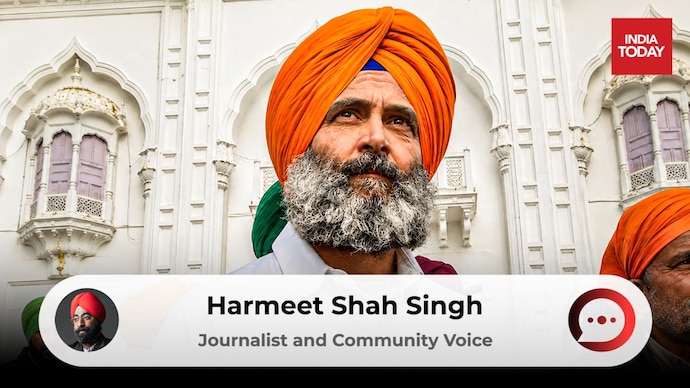
The All India Congress Committee has announced its Punjab organisational structure, and the verdict from its High Command was unambiguous: Amrinder Singh Raja Warring stays as the state party chief, Pratap Singh Bajwa remains Leader of the Opposition, and a coalition of talent gets distributed across a carefully constructed framework.
It was a masterclass in political composure.
Rahul Gandhi and Mallikarjun Kharge may have looked at months of manufactured noise and chose signal over sound.
TAKEAWAY 1: THE HIGH COMMAND DOES NOT NEGOTIATE WITH PRESSURE CAMPAIGNS
Voices pressing for a change of guard seem to have been categorically told that the High Command would not act under pressure. Any decision would follow the party’s longer-term vision, with personal aspirations set aside.
On social and legacy media, an informal alliance, operating at the intersection of a section of the Sikh political right and organised leftist commentators, had spent months demanding an overhaul.
They had their echo chambers, their sympathetic columnists, their timeline storms and, it must be said, their own dedicated cohort of Punjab-based reporters cheering from the sidelines.
The High Command seems to have seen through all of it.
The lesson for every political pressure group in India is now written clearly: volume is not influence.
TAKEAWAY 2: CHANNI ON CAMPAIGN
A section of the state leadership had advocated for former Chief Minister Charanjit Singh Channi, arguing his elevation could help the party strengthen its appeal among Dalit voters, a key electoral constituency in the state.
The Congress High Command found the elegant solution. Channi has been appointed chairman of the campaign committee, placing him at the forefront of the party's electoral outreach and mobilisation efforts.
His connection with the Dalit community, forming nearly a third of Punjab's population, is now weaponised for electoral battle instead of being locked inside an administrative designation.
Do not mistake it for a consolation prize. This looks like a shrewd deployment.
TAKEAWAY 3: WARRING STAYING PROTECTS THE MODERATE SIKH-HINDU CENTRE
The demand to remove Warring was never really about organisational efficiency. It was about ideological capture. Replacing a moderate, accessible Jat Sikh leader, who generously praises Indira Gandhi, with someone acceptable to the Sikh political right would have sent a signal to the significant moderate Sikh and non-Sikh demographic showing Congress negotiating its identity under pressure.
Retaining Warring achieves something far more valuable: it shows the party’s Punjab identity stays pluralist in the Sikh-majority state, grounded in the electoral reality of diverse vote blocs, and immune to the purity tests set by the hardliner-left tribunals on social media.
TAKEAWAY 4: SINGLA'S ROLE IS A MESSAGE TO URBAM HINDU PUNJAB
Vijay Inder Singla has emerged as the party's prominent Hindu face in Punjab. His appointment as chairman of the Election Management and Coordination Committee hands him operational authority over the mechanics of the actual election.
Hindu voters in cities like Ludhiana, Jalandhar and Amritsar have moved between parties across successive elections.
Giving Singla a decisive command role places him inside the operational core of the campaign, structurally and not merely on paper.
TAKEAWAY 5: MAVERICKS GOT A SEAT, NOT THE CROWN
Congress also resisted a subtler temptation. Certain vocal leaders who have leaned into strident anti-migrant rhetoric in Punjab, playing to sentiment over sense, found themselves accommodated moderately but nowhere near its commanding heights.
There was no elevation, no reward for economic extremism dressed up as regional pride.
Inclusion without endorsement is a difficult balance, and the High Command managed it without fanfare.
TAKEAWAY 6: RAHUL GANDHI DID NOT LOSE HIS COMPOSURE UNDER PROVOCATION
For months, sections of the Sikh political right worked in tandem with communist commentators to bait Rahul Gandhi, hoping provocation would substitute for persuasion. It didn't work.
Congress did not abandon its traditional political composure simply because a loud minority tried to butter up its Gandhi scion.
Decisions seem to have been taken through observers, consultations and internal assessment, and not through trending hashtags.
TAKEAWAY 7: THE STRUCTURE IS INCLUSION BY DESIGN
The party named Sukhpal Singh Khaira, Rana Gurjeet Singh and Dharamvira Gandhi as co-chairpersons of the Campaign Committee, and appointed Sukhwinder Singh Danny, Raj Kumar Verka and Sangat Singh Gilzian as working presidents of the Punjab Congress.
This is a structure built to absorb ambition and export responsibility.
Every significant leader has a lane. Nobody is shut out.
The Congress High Command's Punjab decision in July 2026 reads as a statement of political philosophy, well beyond routine organisational bookkeeping.
Parties governed by what a vocal minority demands online eventually lose a silent majority.
Rahul Gandhi and Mallikarjun Kharge chose the majority. Punjab may have noticed.
(The writer is a career journalist currently serving as Communications and Advocacy Director at UNITED SIKHS (UK), a charity registered in England and Wales)
The All India Congress Committee has announced its Punjab organisational structure, and the verdict from its High Command was unambiguous: Amrinder Singh Raja Warring stays as the state party chief, Pratap Singh Bajwa remains Leader of the Opposition, and a coalition of talent gets distributed across a carefully constructed framework.
It was a masterclass in political composure.
Rahul Gandhi and Mallikarjun Kharge may have looked at months of manufactured noise and chose signal over sound.
TAKEAWAY 1: THE HIGH COMMAND DOES NOT NEGOTIATE WITH PRESSURE CAMPAIGNS
Voices pressing for a change of guard seem to have been categorically told that the High Command would not act under pressure. Any decision would follow the party’s longer-term vision, with personal aspirations set aside.
On social and legacy media, an informal alliance, operating at the intersection of a section of the Sikh political right and organised leftist commentators, had spent months demanding an overhaul.
They had their echo chambers, their sympathetic columnists, their timeline storms and, it must be said, their own dedicated cohort of Punjab-based reporters cheering from the sidelines.
The High Command seems to have seen through all of it.
The lesson for every political pressure group in India is now written clearly: volume is not influence.
TAKEAWAY 2: CHANNI ON CAMPAIGN
A section of the state leadership had advocated for former Chief Minister Charanjit Singh Channi, arguing his elevation could help the party strengthen its appeal among Dalit voters, a key electoral constituency in the state.
The Congress High Command found the elegant solution. Channi has been appointed chairman of the campaign committee, placing him at the forefront of the party's electoral outreach and mobilisation efforts.
His connection with the Dalit community, forming nearly a third of Punjab's population, is now weaponised for electoral battle instead of being locked inside an administrative designation.
Do not mistake it for a consolation prize. This looks like a shrewd deployment.
TAKEAWAY 3: WARRING STAYING PROTECTS THE MODERATE SIKH-HINDU CENTRE
The demand to remove Warring was never really about organisational efficiency. It was about ideological capture. Replacing a moderate, accessible Jat Sikh leader, who generously praises Indira Gandhi, with someone acceptable to the Sikh political right would have sent a signal to the significant moderate Sikh and non-Sikh demographic showing Congress negotiating its identity under pressure.
Retaining Warring achieves something far more valuable: it shows the party’s Punjab identity stays pluralist in the Sikh-majority state, grounded in the electoral reality of diverse vote blocs, and immune to the purity tests set by the hardliner-left tribunals on social media.
TAKEAWAY 4: SINGLA'S ROLE IS A MESSAGE TO URBAM HINDU PUNJAB
Vijay Inder Singla has emerged as the party's prominent Hindu face in Punjab. His appointment as chairman of the Election Management and Coordination Committee hands him operational authority over the mechanics of the actual election.
Hindu voters in cities like Ludhiana, Jalandhar and Amritsar have moved between parties across successive elections.
Giving Singla a decisive command role places him inside the operational core of the campaign, structurally and not merely on paper.
TAKEAWAY 5: MAVERICKS GOT A SEAT, NOT THE CROWN
Congress also resisted a subtler temptation. Certain vocal leaders who have leaned into strident anti-migrant rhetoric in Punjab, playing to sentiment over sense, found themselves accommodated moderately but nowhere near its commanding heights.
There was no elevation, no reward for economic extremism dressed up as regional pride.
Inclusion without endorsement is a difficult balance, and the High Command managed it without fanfare.
TAKEAWAY 6: RAHUL GANDHI DID NOT LOSE HIS COMPOSURE UNDER PROVOCATION
For months, sections of the Sikh political right worked in tandem with communist commentators to bait Rahul Gandhi, hoping provocation would substitute for persuasion. It didn't work.
Congress did not abandon its traditional political composure simply because a loud minority tried to butter up its Gandhi scion.
Decisions seem to have been taken through observers, consultations and internal assessment, and not through trending hashtags.
TAKEAWAY 7: THE STRUCTURE IS INCLUSION BY DESIGN
The party named Sukhpal Singh Khaira, Rana Gurjeet Singh and Dharamvira Gandhi as co-chairpersons of the Campaign Committee, and appointed Sukhwinder Singh Danny, Raj Kumar Verka and Sangat Singh Gilzian as working presidents of the Punjab Congress.
This is a structure built to absorb ambition and export responsibility.
Every significant leader has a lane. Nobody is shut out.
The Congress High Command's Punjab decision in July 2026 reads as a statement of political philosophy, well beyond routine organisational bookkeeping.
Parties governed by what a vocal minority demands online eventually lose a silent majority.
Rahul Gandhi and Mallikarjun Kharge chose the majority. Punjab may have noticed.
(The writer is a career journalist currently serving as Communications and Advocacy Director at UNITED SIKHS (UK), a charity registered in England and Wales)

