Alberta fires up carbon capture. Know the science of burying pollution we cannot see
Carbon capture has gone from lab curiosity to global industry, from a landmark plant in Alberta to billion-dollar projects worldwide. Here is how the technology catches the carbon dioxide we cannot see, where it is buried, and whether it is worth the cost.
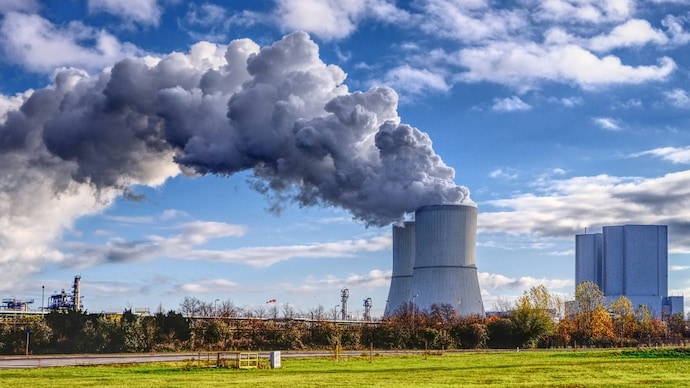
You have never seen carbon dioxide. For two centuries, that was its great advantage.
We burned coal, oil and gas, and an invisible, odourless gas drifted up our chimneys into a sky that asked no questions and charged no rent.
Now the bill has arrived, and a strange new industry has grown up to attempt the hardest trick in chemistry: putting the smoke back.
WHY IS CARBON CAPTURE SUDDENLY IN THE NEWS?
In early August, in Saddle Hills County, Alberta, a company called Entropy switched on what is billed as the world's first commercial natural gas power plant fitted with carbon capture.
It traps about 90 per cent of the carbon dioxide from its turbine and buries it two kilometres underground.
Alberta is only the loudest headline. Across Europe, the United States and Asia, governments are pouring billions into similar plants, and the International Energy Agency now tracks dozens moving from blueprint to reality.
Worldwide, though, these plants still trap only a sliver of what humanity emits, roughly 40 billion tonnes of carbon dioxide a year, which is exactly why the scramble has turned frantic.
WHAT IS CARBON CAPTURE, AND HOW DOES IT WORK?
The idea is simple, but the engineering is not. Rather than let carbon dioxide escape, you catch it, squeeze it and hide it.
The commonest method is amine scrubbing. Amines are chemical relatives of ammonia with a useful habit: they cling to carbon dioxide and let everything else pass. Factory exhaust is bubbled through a liquid amine, which soaks up the carbon like a sponge. Heat the sponge, and it surrenders a pure stream of carbon dioxide, ready to be stored.
That is point-source capture, done at the chimney, where the gas is thick and easy to seize.
Its harder, costlier cousin is direct air capture, which draws carbon dioxide straight from open air. But the air is mean with it: barely 0.04 per cent of what we breathe is carbon dioxide, so vast fans must drag enormous volumes across the filters. It works. It also costs a small fortune.
WHERE DOES CAPTURED CARBON DIOXIDE GO?
Once caught, the gas is compressed until it becomes a dense fluid, then piped deep underground into porous rock sealed beneath a lid of impermeable stone.
There it dissolves into ancient salty water and, over centuries, reacts with the rock to turn, quite literally, back into stone.
IS CARBON CAPTURE WORTH THE COST?
Here lies the quarrel. Catching carbon is thirsty work, running the fans, heating the solvents, squeezing the gas, and if that energy comes from fossil fuels, it eats into the very savings it promises.
Critics call it an expensive crutch that lets oil firms keep drilling on the public purse.
Supporters answer that cement, steel and fertiliser release carbon as part of their basic chemistry, not merely by burning fuel, and cannot be cleaned any other way.
Both are right. The science plainly works. The real question is never whether we can catch the smoke, but whether it is worth the price.
You have never seen carbon dioxide. For two centuries, that was its great advantage.
We burned coal, oil and gas, and an invisible, odourless gas drifted up our chimneys into a sky that asked no questions and charged no rent.
Now the bill has arrived, and a strange new industry has grown up to attempt the hardest trick in chemistry: putting the smoke back.
WHY IS CARBON CAPTURE SUDDENLY IN THE NEWS?
In early August, in Saddle Hills County, Alberta, a company called Entropy switched on what is billed as the world's first commercial natural gas power plant fitted with carbon capture.
It traps about 90 per cent of the carbon dioxide from its turbine and buries it two kilometres underground.
Alberta is only the loudest headline. Across Europe, the United States and Asia, governments are pouring billions into similar plants, and the International Energy Agency now tracks dozens moving from blueprint to reality.
Worldwide, though, these plants still trap only a sliver of what humanity emits, roughly 40 billion tonnes of carbon dioxide a year, which is exactly why the scramble has turned frantic.
WHAT IS CARBON CAPTURE, AND HOW DOES IT WORK?
The idea is simple, but the engineering is not. Rather than let carbon dioxide escape, you catch it, squeeze it and hide it.
The commonest method is amine scrubbing. Amines are chemical relatives of ammonia with a useful habit: they cling to carbon dioxide and let everything else pass. Factory exhaust is bubbled through a liquid amine, which soaks up the carbon like a sponge. Heat the sponge, and it surrenders a pure stream of carbon dioxide, ready to be stored.
That is point-source capture, done at the chimney, where the gas is thick and easy to seize.
Its harder, costlier cousin is direct air capture, which draws carbon dioxide straight from open air. But the air is mean with it: barely 0.04 per cent of what we breathe is carbon dioxide, so vast fans must drag enormous volumes across the filters. It works. It also costs a small fortune.
WHERE DOES CAPTURED CARBON DIOXIDE GO?
Once caught, the gas is compressed until it becomes a dense fluid, then piped deep underground into porous rock sealed beneath a lid of impermeable stone.
There it dissolves into ancient salty water and, over centuries, reacts with the rock to turn, quite literally, back into stone.
IS CARBON CAPTURE WORTH THE COST?
Here lies the quarrel. Catching carbon is thirsty work, running the fans, heating the solvents, squeezing the gas, and if that energy comes from fossil fuels, it eats into the very savings it promises.
Critics call it an expensive crutch that lets oil firms keep drilling on the public purse.
Supporters answer that cement, steel and fertiliser release carbon as part of their basic chemistry, not merely by burning fuel, and cannot be cleaned any other way.
Both are right. The science plainly works. The real question is never whether we can catch the smoke, but whether it is worth the price.
You have never seen carbon dioxide. For two centuries, that was its great advantage.
We burned coal, oil and gas, and an invisible, odourless gas drifted up our chimneys into a sky that asked no questions and charged no rent.
Now the bill has arrived, and a strange new industry has grown up to attempt the hardest trick in chemistry: putting the smoke back.
WHY IS CARBON CAPTURE SUDDENLY IN THE NEWS?
In early August, in Saddle Hills County, Alberta, a company called Entropy switched on what is billed as the world's first commercial natural gas power plant fitted with carbon capture.
It traps about 90 per cent of the carbon dioxide from its turbine and buries it two kilometres underground.
Alberta is only the loudest headline. Across Europe, the United States and Asia, governments are pouring billions into similar plants, and the International Energy Agency now tracks dozens moving from blueprint to reality.
Worldwide, though, these plants still trap only a sliver of what humanity emits, roughly 40 billion tonnes of carbon dioxide a year, which is exactly why the scramble has turned frantic.
WHAT IS CARBON CAPTURE, AND HOW DOES IT WORK?
The idea is simple, but the engineering is not. Rather than let carbon dioxide escape, you catch it, squeeze it and hide it.
The commonest method is amine scrubbing. Amines are chemical relatives of ammonia with a useful habit: they cling to carbon dioxide and let everything else pass. Factory exhaust is bubbled through a liquid amine, which soaks up the carbon like a sponge. Heat the sponge, and it surrenders a pure stream of carbon dioxide, ready to be stored.
That is point-source capture, done at the chimney, where the gas is thick and easy to seize.
Its harder, costlier cousin is direct air capture, which draws carbon dioxide straight from open air. But the air is mean with it: barely 0.04 per cent of what we breathe is carbon dioxide, so vast fans must drag enormous volumes across the filters. It works. It also costs a small fortune.
WHERE DOES CAPTURED CARBON DIOXIDE GO?
Once caught, the gas is compressed until it becomes a dense fluid, then piped deep underground into porous rock sealed beneath a lid of impermeable stone.
There it dissolves into ancient salty water and, over centuries, reacts with the rock to turn, quite literally, back into stone.
IS CARBON CAPTURE WORTH THE COST?
Here lies the quarrel. Catching carbon is thirsty work, running the fans, heating the solvents, squeezing the gas, and if that energy comes from fossil fuels, it eats into the very savings it promises.
Critics call it an expensive crutch that lets oil firms keep drilling on the public purse.
Supporters answer that cement, steel and fertiliser release carbon as part of their basic chemistry, not merely by burning fuel, and cannot be cleaned any other way.
Both are right. The science plainly works. The real question is never whether we can catch the smoke, but whether it is worth the price.

