World getting harder to live in: Dangerous humid heat days doubled since 1970s
A new global analysis says dangerous humid heat days have risen sharply since the 1970s because of climate change. Researchers say the trend is increasing health risks and could make some regions harder to live in.
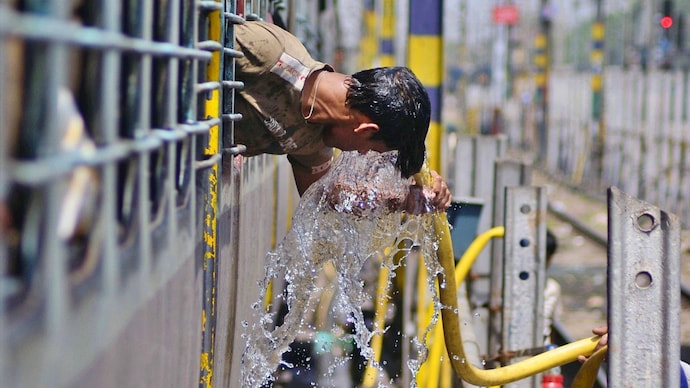
A new global analysis has found that the number of "dangerous humid heat days" has more than doubled since the 1970s due to climate change, significantly increasing health risks for populations across the globe.
According to the study, the world experienced an average of 10 dangerous humid heat days each year during the 1970s. Over the past decade (2016-2025), that figure has risen to 23 days annually. Researchers concluded that human-caused climate change is directly responsible for nearly two-thirds of these dangerous heat events.
The findings highlight a growing public health challenge as extreme heat continues to rank among the world's deadliest weather-related hazards. Since 2000, more than 2,50,000 deaths globally have been linked to extreme heat events.
Scientists warn that the danger is not determined by temperature alone. Humidity plays a crucial role in how the human body responds to heat.
When humidity levels are high, sweat evaporates less efficiently, making it harder for the body to cool itself. This can lead to dehydration, cardiovascular and respiratory stress, heat exhaustion, heat stroke, and other potentially life-threatening conditions.
The analysis examined data from 961 cities worldwide and found that 665 cities, about 69 per cent of those studied, experienced an increase in dangerous humid heat days due to climate change. On average, these cities recorded 46 additional dangerous days per year over the last decade.
Researchers noted that climate change is now responsible for six times more dangerous humid heat days annually than it was during the 1970s. In 2025 alone, the global average reached 23 such days, with 19 of them, roughly 83 per cent, linked directly to human-driven climate change.
The study also analysed 247 cities in the United States and found that 65 per cent experienced an increase in dangerous humid heat days, averaging 19 additional days per year during the last decade.
WHY ARE DANGEROUS HUMID HEAT DAYS INCREASING?
To assess the threat, scientists used a metric known as "wet-bulb temperature," which combines air temperature and humidity to measure the stress placed on the human body.
A wet-bulb temperature of 25 degrees Celsius or higher was classified as dangerous because the risk of heat-related illness rises sharply beyond that threshold.
Experts say the findings should serve as a wake-up call. Dr Lisa Patel of Stanford Children's Health said the increase in dangerous humid heat since the 1970s is already having real-world consequences.
She pointed to incidents of spectators collapsing from heat stress during sporting events in cities such as Houston as examples of how rising heat and humidity are affecting everyday life.
Climate scientists warn that unless greenhouse gas emissions from fossil fuels are reduced rapidly, dangerous humid heat events will become even more common, placing greater pressure on healthcare systems, reducing worker productivity, and making some regions increasingly difficult to live in.
A new global analysis has found that the number of "dangerous humid heat days" has more than doubled since the 1970s due to climate change, significantly increasing health risks for populations across the globe.
According to the study, the world experienced an average of 10 dangerous humid heat days each year during the 1970s. Over the past decade (2016-2025), that figure has risen to 23 days annually. Researchers concluded that human-caused climate change is directly responsible for nearly two-thirds of these dangerous heat events.
The findings highlight a growing public health challenge as extreme heat continues to rank among the world's deadliest weather-related hazards. Since 2000, more than 2,50,000 deaths globally have been linked to extreme heat events.
Scientists warn that the danger is not determined by temperature alone. Humidity plays a crucial role in how the human body responds to heat.
When humidity levels are high, sweat evaporates less efficiently, making it harder for the body to cool itself. This can lead to dehydration, cardiovascular and respiratory stress, heat exhaustion, heat stroke, and other potentially life-threatening conditions.
The analysis examined data from 961 cities worldwide and found that 665 cities, about 69 per cent of those studied, experienced an increase in dangerous humid heat days due to climate change. On average, these cities recorded 46 additional dangerous days per year over the last decade.
Researchers noted that climate change is now responsible for six times more dangerous humid heat days annually than it was during the 1970s. In 2025 alone, the global average reached 23 such days, with 19 of them, roughly 83 per cent, linked directly to human-driven climate change.
The study also analysed 247 cities in the United States and found that 65 per cent experienced an increase in dangerous humid heat days, averaging 19 additional days per year during the last decade.
WHY ARE DANGEROUS HUMID HEAT DAYS INCREASING?
To assess the threat, scientists used a metric known as "wet-bulb temperature," which combines air temperature and humidity to measure the stress placed on the human body.
A wet-bulb temperature of 25 degrees Celsius or higher was classified as dangerous because the risk of heat-related illness rises sharply beyond that threshold.
Experts say the findings should serve as a wake-up call. Dr Lisa Patel of Stanford Children's Health said the increase in dangerous humid heat since the 1970s is already having real-world consequences.
She pointed to incidents of spectators collapsing from heat stress during sporting events in cities such as Houston as examples of how rising heat and humidity are affecting everyday life.
Climate scientists warn that unless greenhouse gas emissions from fossil fuels are reduced rapidly, dangerous humid heat events will become even more common, placing greater pressure on healthcare systems, reducing worker productivity, and making some regions increasingly difficult to live in.

