European heatwave crisis: Why is Europe not cooling down even at night?
European cities are keeping public spaces open overnight as hot nights intensify the 2026 heatwave. The response underlines how after-dark heat is now a public health threat.
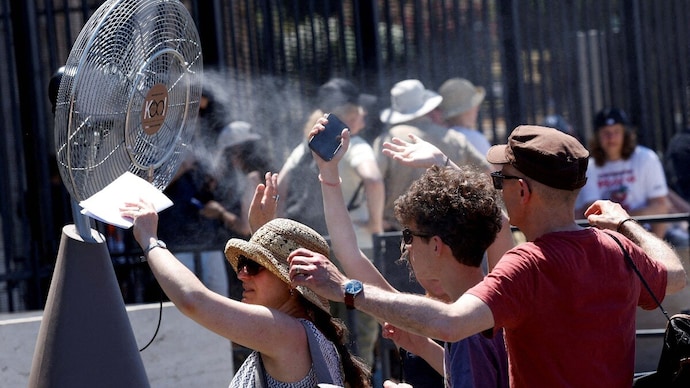
The Sun set hours ago, but the city will not cool. Across Europe in June 2026, something new is unfolding as intense heat continues well into the night. From Paris to Madrid to Barcelona, authorities are throwing open libraries, museums and parks as cooling centres that run through the night.
The reason is grim: the heat of this summer no longer fades after sunset, and for the old and the frail, a single hot night can now decide between recovery and collapse. What was once a private discomfort has become a public health emergency.
WHY ARE HOT NIGHTS MORE DANGEROUS THAN HOT DAYS?
The human body is built to cool down at night. After a punishing day, falling temperatures let the core body temperature drop, the heart slow, and the system quietly repair itself. Scientists call this the recovery period.
When the night stays hot, often above 20 degrees Celsius, a level meteorologists call a tropical night, that repair never happens.
The strain carries over to the next day, and the next, stacking up.
This cumulative stress raises the risk of heat exhaustion, dehydration, heart attacks and strokes, and it is deadliest for the elderly, the very young, and anyone with a weak heart or lungs.
WHAT IS THE URBAN HEAT ISLAND EFFECT?
Cities trap heat. Concrete, brick and asphalt soak up the Sun all day and release it slowly through the night, like a stone wall that stays warm long after the fire has died.
This is the urban heat island effect.
It is strongest after dark, when a city centre can sit several degrees warmer than the countryside around it.
Tall buildings block the wind that might carry the heat away, while traffic and air conditioners add warmth of their own.
WHY DOES EUROPE NOT JUST USE AIR CONDITIONING?
Because most European homes do not have it. Only about a fifth of homes across much of the continent are air conditioned, against roughly nine in ten in the United States.
Built for cold winters, these homes are designed to hold heat in, which is exactly the wrong instinct in a heatwave. After sunset, they behave like ovens.
WHAT IS CAUSING EUROPE'S 2026 HEATWAVE?
The immediate trigger is a pattern called an Omega block. A vast dome of high pressure parks itself over the continent, shaped on the weather map like the Greek letter omega, and shoves cooler, rain-bearing systems around its edges. Hot air sits still for days, the sky stays cloudless, and each night cools less than the last.
Behind it lies the bigger driver. Europe is warming faster than any other continent, and scientists say a heatwave this severe would have been virtually impossible without human-caused climate change.
WHAT ARE EUROPEAN CITIES DOING ABOUT IT?
They are turning everyday spaces into refuges. Libraries, museums and schools are reopening as cooling centres. Parks in Paris stay open through the night, and Barcelona runs hundreds of climate shelters.
For someone with nowhere cool to sleep, that open door can carry them through to morning.
The Sun set hours ago, but the city will not cool. Across Europe in June 2026, something new is unfolding as intense heat continues well into the night. From Paris to Madrid to Barcelona, authorities are throwing open libraries, museums and parks as cooling centres that run through the night.
The reason is grim: the heat of this summer no longer fades after sunset, and for the old and the frail, a single hot night can now decide between recovery and collapse. What was once a private discomfort has become a public health emergency.
WHY ARE HOT NIGHTS MORE DANGEROUS THAN HOT DAYS?
The human body is built to cool down at night. After a punishing day, falling temperatures let the core body temperature drop, the heart slow, and the system quietly repair itself. Scientists call this the recovery period.
When the night stays hot, often above 20 degrees Celsius, a level meteorologists call a tropical night, that repair never happens.
The strain carries over to the next day, and the next, stacking up.
This cumulative stress raises the risk of heat exhaustion, dehydration, heart attacks and strokes, and it is deadliest for the elderly, the very young, and anyone with a weak heart or lungs.
WHAT IS THE URBAN HEAT ISLAND EFFECT?
Cities trap heat. Concrete, brick and asphalt soak up the Sun all day and release it slowly through the night, like a stone wall that stays warm long after the fire has died.
This is the urban heat island effect.
It is strongest after dark, when a city centre can sit several degrees warmer than the countryside around it.
Tall buildings block the wind that might carry the heat away, while traffic and air conditioners add warmth of their own.
WHY DOES EUROPE NOT JUST USE AIR CONDITIONING?
Because most European homes do not have it. Only about a fifth of homes across much of the continent are air conditioned, against roughly nine in ten in the United States.
Built for cold winters, these homes are designed to hold heat in, which is exactly the wrong instinct in a heatwave. After sunset, they behave like ovens.
WHAT IS CAUSING EUROPE'S 2026 HEATWAVE?
The immediate trigger is a pattern called an Omega block. A vast dome of high pressure parks itself over the continent, shaped on the weather map like the Greek letter omega, and shoves cooler, rain-bearing systems around its edges. Hot air sits still for days, the sky stays cloudless, and each night cools less than the last.
Behind it lies the bigger driver. Europe is warming faster than any other continent, and scientists say a heatwave this severe would have been virtually impossible without human-caused climate change.
WHAT ARE EUROPEAN CITIES DOING ABOUT IT?
They are turning everyday spaces into refuges. Libraries, museums and schools are reopening as cooling centres. Parks in Paris stay open through the night, and Barcelona runs hundreds of climate shelters.
For someone with nowhere cool to sleep, that open door can carry them through to morning.

