Water, food, power at risk: Hindu Kush countries face poor monsoon crisis
Fresh scientific assessments suggest that rainfall totals alone may no longer be enough to measure monsoon risks across one of the world's most critical mountain regions.
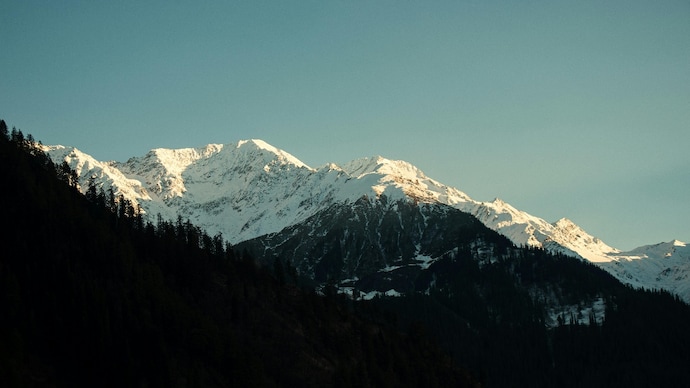
The 2026 monsoon season may bring less rainfall than usual to parts of the Hindu Kush Himalayan region, but scientists say that does not mean the risks are lower.
The Hindu Kush Himlayan region stretches across eight countries and fuels some of Asia's largest river systems, including the Ganga, Brahmaputra and Indus, making the weather patterns in the region crucial for nearly two billion people downstream.
According to the latest Monsoon Outlook from the International Centre for Integrated Mountain Development (ICIMOD), several countries across the Hindu Kush Himalaya (HKH) region, including India, Nepal, Bhutan and Pakistan, are likely to receive below-normal monsoon rainfall this year.
At the same time, temperatures are expected to remain above normal across much of the region.
LESS RAIN BUT NOT LESS RISK
Monsoon 2026 across India is far from ideal, with the Indian Meteorological Department forecasting below-average rains.
The lack of monsoon rain will also be felt across the vast Himalayan mountains, but that doesn't mean that monsoon-related risks will remain low too.
Scientists caution that a weaker monsoon does not automatically translate into fewer disasters.
"Even in a weaker monsoon, short periods of intense rainfall remain a major concern," said Manish Shrestha, a hydrologist at ICIMOD. "Communities and authorities need to closely follow short-term forecasts and advisories."
The region could experience longer dry spells interrupted by sudden bursts of heavy rain. Such a pattern can increase the risk of flash floods, landslides and debris flows, especially in mountain areas where steep terrain makes communities particularly vulnerable.
A CHALLENGE IN THE MAKING
The warning comes just weeks after ICIMOD reported that snow cover across the Hindu Kush Himalaya had fallen to a record low for the fourth consecutive year.
Scientists say that reduced snow cover means rivers and groundwater systems are entering the monsoon season with less stored water than usual.
"Lower snow persistence means the region is entering the monsoon with a reduced seasonal water buffer," said Sarthak Shrestha, co-author of the monsoon outlook.
That combination of lower snow reserves, higher temperatures and unpredictable rainfall could increase both drought and flood risks during the same season.
For countries such as India, where millions depend on monsoon rainfall for farming, drinking water and hydropower, the outlook highlights a growing challenge, where weather extremes are becoming harder to predict and manage.
Scientists are, therefore, suggesting that stronger forecasting systems, better disaster preparedness and closer regional cooperation will be essential as climate change continues to make the Himalayan monsoon more erratic and potentially more hazardous.
"The era of preparing for a single, predictable hazard is over," said Saswata Sanyal, disaster risk reduction specialist at ICIMOD. "Anticipatory action and early warning must now be the foundation."
The 2026 monsoon season may bring less rainfall than usual to parts of the Hindu Kush Himalayan region, but scientists say that does not mean the risks are lower.
The Hindu Kush Himlayan region stretches across eight countries and fuels some of Asia's largest river systems, including the Ganga, Brahmaputra and Indus, making the weather patterns in the region crucial for nearly two billion people downstream.
According to the latest Monsoon Outlook from the International Centre for Integrated Mountain Development (ICIMOD), several countries across the Hindu Kush Himalaya (HKH) region, including India, Nepal, Bhutan and Pakistan, are likely to receive below-normal monsoon rainfall this year.
At the same time, temperatures are expected to remain above normal across much of the region.
LESS RAIN BUT NOT LESS RISK
Monsoon 2026 across India is far from ideal, with the Indian Meteorological Department forecasting below-average rains.
The lack of monsoon rain will also be felt across the vast Himalayan mountains, but that doesn't mean that monsoon-related risks will remain low too.
Scientists caution that a weaker monsoon does not automatically translate into fewer disasters.
"Even in a weaker monsoon, short periods of intense rainfall remain a major concern," said Manish Shrestha, a hydrologist at ICIMOD. "Communities and authorities need to closely follow short-term forecasts and advisories."
The region could experience longer dry spells interrupted by sudden bursts of heavy rain. Such a pattern can increase the risk of flash floods, landslides and debris flows, especially in mountain areas where steep terrain makes communities particularly vulnerable.
A CHALLENGE IN THE MAKING
The warning comes just weeks after ICIMOD reported that snow cover across the Hindu Kush Himalaya had fallen to a record low for the fourth consecutive year.
Scientists say that reduced snow cover means rivers and groundwater systems are entering the monsoon season with less stored water than usual.
"Lower snow persistence means the region is entering the monsoon with a reduced seasonal water buffer," said Sarthak Shrestha, co-author of the monsoon outlook.
That combination of lower snow reserves, higher temperatures and unpredictable rainfall could increase both drought and flood risks during the same season.
For countries such as India, where millions depend on monsoon rainfall for farming, drinking water and hydropower, the outlook highlights a growing challenge, where weather extremes are becoming harder to predict and manage.
Scientists are, therefore, suggesting that stronger forecasting systems, better disaster preparedness and closer regional cooperation will be essential as climate change continues to make the Himalayan monsoon more erratic and potentially more hazardous.
"The era of preparing for a single, predictable hazard is over," said Saswata Sanyal, disaster risk reduction specialist at ICIMOD. "Anticipatory action and early warning must now be the foundation."

