India's fossil fuel consumption stalled in 2025 for the first time in 60 years
The findings are based on a global data-set stretching back to 1965 and maintained by the Energy Institute.
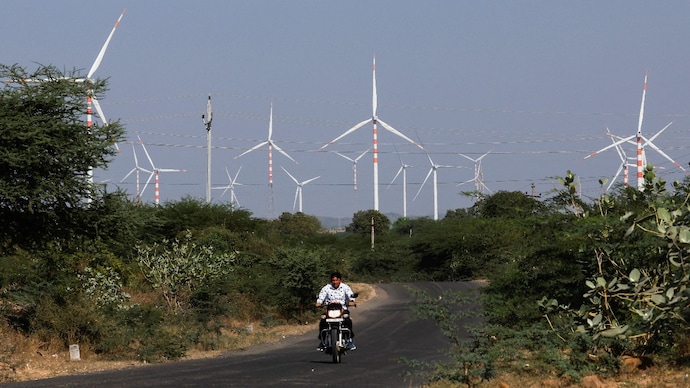
India's fossil fuel consumption remained broadly unchanged in 2025, marking the first time in six decades that demand for coal, oil and natural gas did not grow overall, according to a new global study.
Although fossil fuels still dominate India's energy mix, it has been rapidly expanding its renewable energy capacity to have better and more sustainable control over how it generates electricity and chips away at the fossil fuel demand and supply.
The findings by the Energy Institute are significant because India is the world's third-largest energy consumer and has traditionally recorded steady increases in fossil fuel use alongside economic growth.
The Energy Institute is a London-based organisation that provides research and technical guidance for the global energy sector.
The report draws from data that stretches back to 1965, making 2025 an important milestone in the country's evolving energy transition.
WHAT SLOWED THE DEMAND FOR FOSSIL FUEL?
Fossil fuels accounted for 93% of India's total energy supply in 2025, the lowest share since the Energy Institute began compiling comparable data. At the same time, coal remained the largest energy source at 59%, followed by oil at 28%.
Unlike previous years, coal consumption increased by just 0.6%, oil demand rose only 0.3%, while natural gas consumption declined 5.9%, leaving overall fossil fuel consumption broadly flat.
According to the report, several factors contributed to this slowdown.
Milder temperatures during the monsoon season reduced demand for electricity used for cooling, while record growth in wind and solar power generation, coupled with favourable hydropower conditions, increased the share of renewable electricity.
India's behind-the-meter rooftop solar capacity also surged 40% year-on-year to 43.6 GW, the largest increase outside China in 2025.
These developments led to a 3% decline in coal-fired electricity generation and a 15% fall in gas-based power generation, too.
PROGRESS MADE BUT FOSSIL FUELS REMAIN
Despite the slowdown, the report cautions against interpreting the trend as a rapid shift away from fossil fuels.
Coal, oil and gas remain the powering foundation of India's energy system, reflecting the country's growing industrial activity, expanding population and rising electricity demand.
It also highlights India's continued dependence on imported energy.
In 2025, the country imported about 90% of its crude oil and met 53% of its natural gas requirements through imports, even as it remained a net exporter of refined petroleum products because of its large refining capacity.
The findings suggest India's energy transition is entering a new phase, one where renewable energy is no longer merely adding to electricity supply but is increasingly displacing fossil fuel generation.
Whether this becomes a lasting trend, however, will depend on continued investment in grid infrastructure, storage and renewable capacity to support the country's rapidly growing energy needs.
But for now, India has taken yet another shot at the seemingly insurmountable task of adopting sustainable energy at scale.
India's fossil fuel consumption remained broadly unchanged in 2025, marking the first time in six decades that demand for coal, oil and natural gas did not grow overall, according to a new global study.
Although fossil fuels still dominate India's energy mix, it has been rapidly expanding its renewable energy capacity to have better and more sustainable control over how it generates electricity and chips away at the fossil fuel demand and supply.
The findings by the Energy Institute are significant because India is the world's third-largest energy consumer and has traditionally recorded steady increases in fossil fuel use alongside economic growth.
The Energy Institute is a London-based organisation that provides research and technical guidance for the global energy sector.
The report draws from data that stretches back to 1965, making 2025 an important milestone in the country's evolving energy transition.
WHAT SLOWED THE DEMAND FOR FOSSIL FUEL?
Fossil fuels accounted for 93% of India's total energy supply in 2025, the lowest share since the Energy Institute began compiling comparable data. At the same time, coal remained the largest energy source at 59%, followed by oil at 28%.
Unlike previous years, coal consumption increased by just 0.6%, oil demand rose only 0.3%, while natural gas consumption declined 5.9%, leaving overall fossil fuel consumption broadly flat.
According to the report, several factors contributed to this slowdown.
Milder temperatures during the monsoon season reduced demand for electricity used for cooling, while record growth in wind and solar power generation, coupled with favourable hydropower conditions, increased the share of renewable electricity.
India's behind-the-meter rooftop solar capacity also surged 40% year-on-year to 43.6 GW, the largest increase outside China in 2025.
These developments led to a 3% decline in coal-fired electricity generation and a 15% fall in gas-based power generation, too.
PROGRESS MADE BUT FOSSIL FUELS REMAIN
Despite the slowdown, the report cautions against interpreting the trend as a rapid shift away from fossil fuels.
Coal, oil and gas remain the powering foundation of India's energy system, reflecting the country's growing industrial activity, expanding population and rising electricity demand.
It also highlights India's continued dependence on imported energy.
In 2025, the country imported about 90% of its crude oil and met 53% of its natural gas requirements through imports, even as it remained a net exporter of refined petroleum products because of its large refining capacity.
The findings suggest India's energy transition is entering a new phase, one where renewable energy is no longer merely adding to electricity supply but is increasingly displacing fossil fuel generation.
Whether this becomes a lasting trend, however, will depend on continued investment in grid infrastructure, storage and renewable capacity to support the country's rapidly growing energy needs.
But for now, India has taken yet another shot at the seemingly insurmountable task of adopting sustainable energy at scale.

