Watch LIVE: Isro successfully launches NVS-03 satellite aboard GSLV-F18
Isro is set to launch the NVS-03 navigation satellite aboard GSLV-F18 at 11:51 pm on October 30. Here's when and where to watch the launch live and why the mission matters for NavIC.
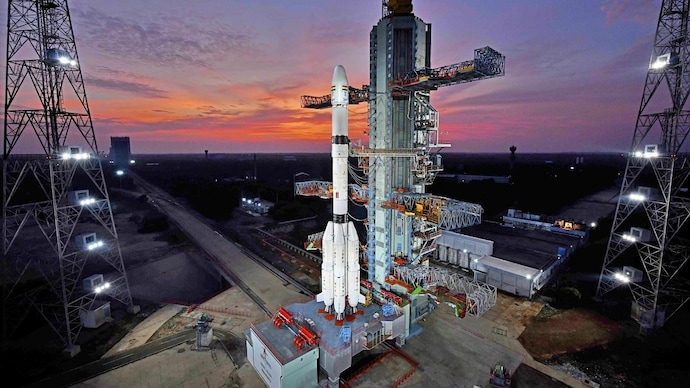
The Indian Space Research Organisation, or Isro, launched its next-generation navigation satellite, NVS-03, aboard the GSLV-F18 rocket at 11:51 pm IST on Friday, October 30.
The launch took place from the Satish Dhawan Space Centre in Sriharikota, Andhra Pradesh, and will strengthen India's homegrown navigation system, NavIC.
WATCH ISRO'S GSLV-F18 NVS-03 LAUNCH LIVE HERE:
WHEN AND WHERE WAS ISRO'S NVS-03 LAUNCH?
The GSLV-F18 rocket was scheduled to lift off at 11:51 pm IST on October 30 from the Second Launch Pad at Sriharikota, marking the 20th flight of India's Geosynchronous Satellite Launch Vehicle (GSLV), and it was right on time.
The three-stage rocket, standing nearly 50 metres tall, flew while carrying the approximately 2,250-kg NVS-03 satellite into a Geosynchronous Transfer Orbit (GTO).
From there, the satellite will use its onboard propulsion system to raise its orbit and reach its designated position.
WHY IS THE NVS-03 SATELLITE IMPORTANT?
NVS-03 is the third satellite in Isro's second-generation NavIC series.
India's regional navigation system provides positioning and timing services across the country and up to 1,500 km beyond its borders. It supports applications such as transport, maritime navigation and strategic operations.
The satellite carries an indigenous atomic clock, alongside procured clocks, and will introduce the L1 navigation signal in addition to the existing L5 and S-band signals.
This is expected to improve NavIC's capabilities and compatibility with navigation receivers.
The launch followed a setback involving its predecessor, NVS-02.
Although the satellite was placed in an initial transfer orbit in January 2025, a propulsion-system issue prevented it from reaching its intended orbit.
For NVS-03, Isro has made changes to the activation of the satellite's propulsion valves to avoid a repeat of the problem.
Once separated from the rocket, NVS-03 will have to complete its orbit-raising manoeuvres before it can be tested and commissioned for operational services.

