For one minute today, 99% of all humans saw sunlight at the same time
On July 8, about 99 per cent of the world's 8.2 billion people experienced daylight or twilight at the same time. Earth's tilt and human geography combined for a fleeting global moment that lasted barely a minute.
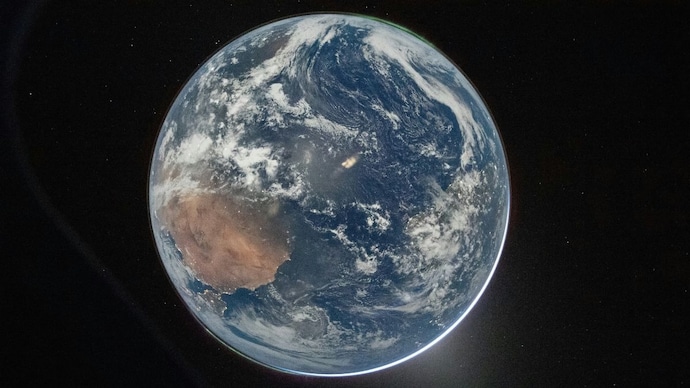
Night will still fall today, over Australia, New Zealand and the vast, empty Pacific Ocean. But for one strange minute, the night fell on almost nobody.
At that moment, only around 80 million people were in darkness. The remaining 99 per cent of humanity, roughly 8.2 billion people, were under daylight or twilight at the same time.
WHAT HAPPENED ON JULY 8 AND AT WHAT TIME?
The moment arrived at about 11:10 GMT. GMT, or Greenwich Mean Time, is the world's reference clock, and India runs five and a half hours ahead of it.
That placed the event at around 4:45 pm in India, and 7:15 am on the US East Coast.
Picture the Earth at that instant. Sunlight stretches across North America, South America, Europe, Africa and most of Asia, the continents where nearly all of humanity lives. In darkness lie Australia, New Zealand, parts of Southeast Asia and Antarctica, along with the surrounding oceans.
The dark side of the planet, in other words, is mostly water and penguins. That is the entire trick. This is not an astronomical marvel but a map of where people choose to live, lit up by geometry.
WHY DOES 99 PER CENT OF THE WORLD GET SUNLIGHT AT THE SAME TIME?
The Earth spins on an invisible rod called its axis, and that rod is tilted by about 23.4 degrees. In early July, the tilt leans the Northern Hemisphere towards the Sun, giving it long summer days. Nearly nine in 10 humans live north of the Equator.
But why does this unique event happen on July 8, and not June 21, the solstice, the longest day of the northern year?
This is because after the solstice, the Sun drifts south.
Its rays retreat only from largely unpopulated areas like the Northern Pacific Ocean, while reaching farther into Indonesia and the Philippines, adding about 10 million people to the daylight and twilight zones.
DOES TWILIGHT COUNT AS DAYLIGHT?
Here is the fine print. Only about 83 per cent of people had the Sun actually above the horizon at that moment.
The rest were in twilight, the leftover glow when the Sun had set, but its light still scattered through the atmosphere.
Twilight comes in three shades. Civil twilight is bright enough to read outdoors. Nautical twilight leaves only the horizon visible. Astronomical twilight is so faint that, to the eye, it is night.
Discount the faintest zones and the figure of people genuinely perceiving sunlight falls to about 93 per cent. Still staggering.
IS JULY 8 THE ONLY DAY THIS HAPPENS?
No. For roughly 60 days each year, from about May 18 to July 17, there is a brief moment daily when nearly all of humanity sits in daylight or twilight. July 8 was simply the date the internet fell in love with.
So at 4:45 pm today, the sky above you was an ordinary Indian afternoon light. What made it extraordinary was who else was under it. Almost everyone.
Night will still fall today, over Australia, New Zealand and the vast, empty Pacific Ocean. But for one strange minute, the night fell on almost nobody.
At that moment, only around 80 million people were in darkness. The remaining 99 per cent of humanity, roughly 8.2 billion people, were under daylight or twilight at the same time.
WHAT HAPPENED ON JULY 8 AND AT WHAT TIME?
The moment arrived at about 11:10 GMT. GMT, or Greenwich Mean Time, is the world's reference clock, and India runs five and a half hours ahead of it.
That placed the event at around 4:45 pm in India, and 7:15 am on the US East Coast.
Picture the Earth at that instant. Sunlight stretches across North America, South America, Europe, Africa and most of Asia, the continents where nearly all of humanity lives. In darkness lie Australia, New Zealand, parts of Southeast Asia and Antarctica, along with the surrounding oceans.
The dark side of the planet, in other words, is mostly water and penguins. That is the entire trick. This is not an astronomical marvel but a map of where people choose to live, lit up by geometry.
WHY DOES 99 PER CENT OF THE WORLD GET SUNLIGHT AT THE SAME TIME?
The Earth spins on an invisible rod called its axis, and that rod is tilted by about 23.4 degrees. In early July, the tilt leans the Northern Hemisphere towards the Sun, giving it long summer days. Nearly nine in 10 humans live north of the Equator.
But why does this unique event happen on July 8, and not June 21, the solstice, the longest day of the northern year?
This is because after the solstice, the Sun drifts south.
Its rays retreat only from largely unpopulated areas like the Northern Pacific Ocean, while reaching farther into Indonesia and the Philippines, adding about 10 million people to the daylight and twilight zones.
DOES TWILIGHT COUNT AS DAYLIGHT?
Here is the fine print. Only about 83 per cent of people had the Sun actually above the horizon at that moment.
The rest were in twilight, the leftover glow when the Sun had set, but its light still scattered through the atmosphere.
Twilight comes in three shades. Civil twilight is bright enough to read outdoors. Nautical twilight leaves only the horizon visible. Astronomical twilight is so faint that, to the eye, it is night.
Discount the faintest zones and the figure of people genuinely perceiving sunlight falls to about 93 per cent. Still staggering.
IS JULY 8 THE ONLY DAY THIS HAPPENS?
No. For roughly 60 days each year, from about May 18 to July 17, there is a brief moment daily when nearly all of humanity sits in daylight or twilight. July 8 was simply the date the internet fell in love with.
So at 4:45 pm today, the sky above you was an ordinary Indian afternoon light. What made it extraordinary was who else was under it. Almost everyone.

