New shipping crisis: El Nino puts Panama Canal under threat as Hormuz tensions ease
Noaa has warned that a strengthening El Nino could again hit Panama Canal operations. The alert adds climate risk to global shipping even as Hormuz tensions show signs of easing.
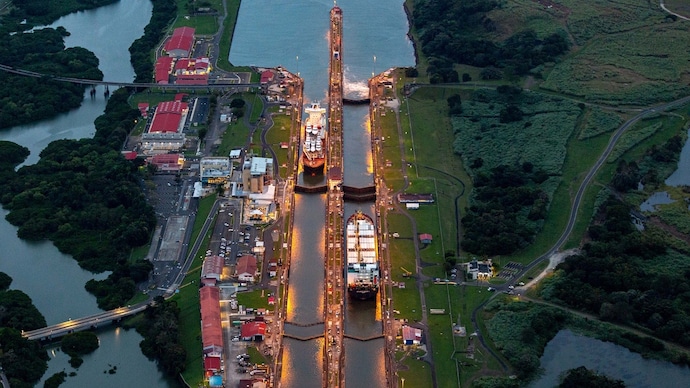
Just as global shipping hopes for stability amid easing tensions around the Strait of Hormuz, another major maritime chokepoint is emerging as a potential source of disruption.
The return of El Nino in the Pacific Ocean could once again threaten operations at the Panama Canal, one of the world's most important trade arteries.
The US National Oceanic and Atmospheric Administration (Noaa) has officially declared the onset of El Nino conditions in the tropical Pacific and warned that the climate phenomenon could strengthen into one of the most powerful events on record by the end of 2026.
According to Noaa's Climate Prediction Center, there is an 88 per cent chance that El Nino reaches "strong" intensity between November and January and a 63 per cent probability that it becomes "very strong."
If that threshold is crossed, the event would rank alongside the historic El Nino episodes of 1997-98 and 2015-16, both of which had significant impacts on global weather and trade networks.
For the shipping industry, the biggest concern is the Panama Canal.
PANAMA CANAL UNDER THREAT?
The 2023-24 El Nino triggered one of the worst droughts in the canal's history. Water levels in Gatun Lake, which supplies freshwater needed to operate the canal's lock system, dropped sharply.
In response, the Panama Canal Authority reduced daily vessel transits and imposed draft restrictions, cutting traffic by as much as 40 per cent below normal levels at the peak of the crisis.
The disruption reverberated across global supply chains. Ships were forced to queue for days or reroute via longer and more expensive journeys around South America or through the Suez Canal.
Although operations gradually normalised after the drought eased, canal authorities are already preparing for another challenging season.
The Panama Canal Authority has announced that the maximum authorised draft for Neopanamax vessels will be reduced to 49.5 feet beginning July 3, citing the possibility of a developing El Nino.
The concern comes at a time when demand for canal transit is rising. Analysts at Clarksons Research note that record US energy exports are placing growing pressure on available slots.
Product tanker transits hit record highs in April and May, while increasing exports of liquefied petroleum gas and ethane have intensified competition for passage through the canal.
EL NINO IMPACT NOT LIMITED TO PANAMA
The impact of El Nino is not limited to Panama. The phenomenon alters atmospheric circulation patterns across the Pacific, often reducing rainfall in parts of Central America and Southeast Asia. This can affect river transport networks, inland waterways and canal-dependent logistics systems that rely on seasonal rainfall and monsoon-fed water resources.
India could also feel indirect effects. El Nino is known to influence monsoon rainfall, agricultural production and commodity flows. Changes in rainfall patterns across India, Australia and Southeast Asia can affect grain, soybean and agricultural exports, reshaping demand for dry bulk carriers and global freight markets.
There is one potential silver lining. El Nino tends to suppress hurricane activity in the Atlantic by increasing vertical wind shear, reducing the likelihood of major storms disrupting shipping routes across the Gulf of Mexico and the Caribbean.
However, for global shipping companies, the larger concern remains freshwater-dependent trade routes. While geopolitical tensions around the Strait of Hormuz may be easing, climate-driven risks are becoming increasingly difficult to ignore.
If Noaa's forecast proves accurate and a strong El Nino develops, the Panama Canal could once again become the world's most vulnerable maritime chokepoint, with consequences for freight costs, energy markets and global trade well into 2027.
Just as global shipping hopes for stability amid easing tensions around the Strait of Hormuz, another major maritime chokepoint is emerging as a potential source of disruption.
The return of El Nino in the Pacific Ocean could once again threaten operations at the Panama Canal, one of the world's most important trade arteries.
The US National Oceanic and Atmospheric Administration (Noaa) has officially declared the onset of El Nino conditions in the tropical Pacific and warned that the climate phenomenon could strengthen into one of the most powerful events on record by the end of 2026.
According to Noaa's Climate Prediction Center, there is an 88 per cent chance that El Nino reaches "strong" intensity between November and January and a 63 per cent probability that it becomes "very strong."
If that threshold is crossed, the event would rank alongside the historic El Nino episodes of 1997-98 and 2015-16, both of which had significant impacts on global weather and trade networks.
For the shipping industry, the biggest concern is the Panama Canal.
PANAMA CANAL UNDER THREAT?
The 2023-24 El Nino triggered one of the worst droughts in the canal's history. Water levels in Gatun Lake, which supplies freshwater needed to operate the canal's lock system, dropped sharply.
In response, the Panama Canal Authority reduced daily vessel transits and imposed draft restrictions, cutting traffic by as much as 40 per cent below normal levels at the peak of the crisis.
The disruption reverberated across global supply chains. Ships were forced to queue for days or reroute via longer and more expensive journeys around South America or through the Suez Canal.
Although operations gradually normalised after the drought eased, canal authorities are already preparing for another challenging season.
The Panama Canal Authority has announced that the maximum authorised draft for Neopanamax vessels will be reduced to 49.5 feet beginning July 3, citing the possibility of a developing El Nino.
The concern comes at a time when demand for canal transit is rising. Analysts at Clarksons Research note that record US energy exports are placing growing pressure on available slots.
Product tanker transits hit record highs in April and May, while increasing exports of liquefied petroleum gas and ethane have intensified competition for passage through the canal.
EL NINO IMPACT NOT LIMITED TO PANAMA
The impact of El Nino is not limited to Panama. The phenomenon alters atmospheric circulation patterns across the Pacific, often reducing rainfall in parts of Central America and Southeast Asia. This can affect river transport networks, inland waterways and canal-dependent logistics systems that rely on seasonal rainfall and monsoon-fed water resources.
India could also feel indirect effects. El Nino is known to influence monsoon rainfall, agricultural production and commodity flows. Changes in rainfall patterns across India, Australia and Southeast Asia can affect grain, soybean and agricultural exports, reshaping demand for dry bulk carriers and global freight markets.
There is one potential silver lining. El Nino tends to suppress hurricane activity in the Atlantic by increasing vertical wind shear, reducing the likelihood of major storms disrupting shipping routes across the Gulf of Mexico and the Caribbean.
However, for global shipping companies, the larger concern remains freshwater-dependent trade routes. While geopolitical tensions around the Strait of Hormuz may be easing, climate-driven risks are becoming increasingly difficult to ignore.
If Noaa's forecast proves accurate and a strong El Nino develops, the Panama Canal could once again become the world's most vulnerable maritime chokepoint, with consequences for freight costs, energy markets and global trade well into 2027.

