Skyroot to build its own launch pad as Vikram-1 makes history on maiden flight
After Vikram-1 reached orbit on its maiden mission, Skyroot said it plans to build its own launch pad. The move points to a faster launch schedule as India's private space sector expands.
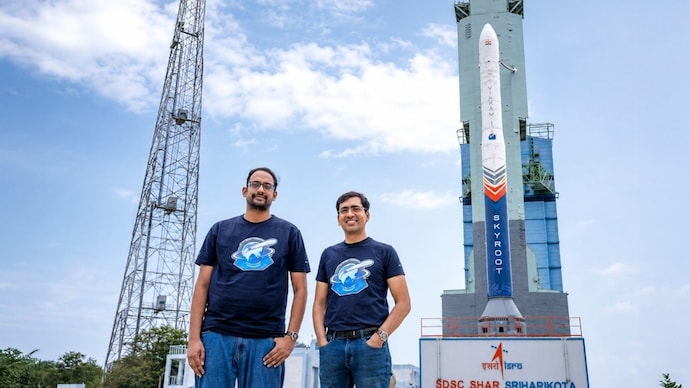
Fresh off the successful orbital debut of its Vikram-1 rocket, Indian space startup Skyroot Aerospace has revealed plans to build its own launch pad as it prepares to significantly increase launch frequency in the coming years.
Speaking exclusively to IndiaToday.in, Skyroot Aerospace co-founder and CEO Pawan Chandana said the company will continue using Isro's launch facilities for its initial missions but is already working on establishing an independent launch complex.
"We have worked with Isro for a long period of time. The initial missions will be conducted from its facilities, but we have plans to build our own launch pad," Chandana said.
The details come after Skyroot's maiden orbital mission, Vikram-1 'Aagaman', successfully placed multiple payloads into orbit, making it the first privately developed Indian rocket to achieve orbit.
While Pawan did not disclose the proposed location of the launch pad or provide a definitive timeline, he indicated that the project is a priority as the company prepares for a busier launch schedule.
"It's difficult to share those details right now. The plan is definitely there, but we can't disclose more at this stage," he said.
Asked about when the facility could become operational, Pawan said the company would reveal the timeline once plans are finalised.
"We don't have a concrete timeline yet, but we'll share it at the appropriate time. It won't be too far away because we're planning more and more launches from next year, so we plan to do it at the earliest," he added.
Having its own launch pad would give Skyroot greater operational flexibility, allowing it to schedule launches independently instead of relying solely on shared infrastructure at Isro's Satish Dhawan Space Centre in Sriharikota.
The move also reflects the rapid evolution of India's private space sector following the country's space reforms.
As Skyroot prepares for subsequent Vikram missions and eventually commercial launch operations, a dedicated launch complex could become a critical piece of infrastructure, helping the company scale its services and compete in the fast-growing global small satellite launch market.
Fresh off the successful orbital debut of its Vikram-1 rocket, Indian space startup Skyroot Aerospace has revealed plans to build its own launch pad as it prepares to significantly increase launch frequency in the coming years.
Speaking exclusively to IndiaToday.in, Skyroot Aerospace co-founder and CEO Pawan Chandana said the company will continue using Isro's launch facilities for its initial missions but is already working on establishing an independent launch complex.
"We have worked with Isro for a long period of time. The initial missions will be conducted from its facilities, but we have plans to build our own launch pad," Chandana said.
The details come after Skyroot's maiden orbital mission, Vikram-1 'Aagaman', successfully placed multiple payloads into orbit, making it the first privately developed Indian rocket to achieve orbit.
While Pawan did not disclose the proposed location of the launch pad or provide a definitive timeline, he indicated that the project is a priority as the company prepares for a busier launch schedule.
"It's difficult to share those details right now. The plan is definitely there, but we can't disclose more at this stage," he said.
Asked about when the facility could become operational, Pawan said the company would reveal the timeline once plans are finalised.
"We don't have a concrete timeline yet, but we'll share it at the appropriate time. It won't be too far away because we're planning more and more launches from next year, so we plan to do it at the earliest," he added.
Having its own launch pad would give Skyroot greater operational flexibility, allowing it to schedule launches independently instead of relying solely on shared infrastructure at Isro's Satish Dhawan Space Centre in Sriharikota.
The move also reflects the rapid evolution of India's private space sector following the country's space reforms.
As Skyroot prepares for subsequent Vikram missions and eventually commercial launch operations, a dedicated launch complex could become a critical piece of infrastructure, helping the company scale its services and compete in the fast-growing global small satellite launch market.
Fresh off the successful orbital debut of its Vikram-1 rocket, Indian space startup Skyroot Aerospace has revealed plans to build its own launch pad as it prepares to significantly increase launch frequency in the coming years.
Speaking exclusively to IndiaToday.in, Skyroot Aerospace co-founder and CEO Pawan Chandana said the company will continue using Isro's launch facilities for its initial missions but is already working on establishing an independent launch complex.
"We have worked with Isro for a long period of time. The initial missions will be conducted from its facilities, but we have plans to build our own launch pad," Chandana said.
The details come after Skyroot's maiden orbital mission, Vikram-1 'Aagaman', successfully placed multiple payloads into orbit, making it the first privately developed Indian rocket to achieve orbit.
While Pawan did not disclose the proposed location of the launch pad or provide a definitive timeline, he indicated that the project is a priority as the company prepares for a busier launch schedule.
"It's difficult to share those details right now. The plan is definitely there, but we can't disclose more at this stage," he said.
Asked about when the facility could become operational, Pawan said the company would reveal the timeline once plans are finalised.
"We don't have a concrete timeline yet, but we'll share it at the appropriate time. It won't be too far away because we're planning more and more launches from next year, so we plan to do it at the earliest," he added.
Having its own launch pad would give Skyroot greater operational flexibility, allowing it to schedule launches independently instead of relying solely on shared infrastructure at Isro's Satish Dhawan Space Centre in Sriharikota.
The move also reflects the rapid evolution of India's private space sector following the country's space reforms.
As Skyroot prepares for subsequent Vikram missions and eventually commercial launch operations, a dedicated launch complex could become a critical piece of infrastructure, helping the company scale its services and compete in the fast-growing global small satellite launch market.

