FIFA World Cup 2026 shatters attendance record despite US travel mess
The 2026 FIFA World Cup has become the most-attended edition in history, crossing 3.6 million spectators with nearly half the tournament still to play. The milestone arrives despite criticism over expensive tickets, visa hurdles and logistical concerns across the United States.
The 2026 FIFA World Cup has officially become the best-attended tournament in history, surpassing the record set when the United States last hosted the competition in 1994. The milestone, however, comes amid growing criticism over soaring ticket prices, visa restrictions and organisational issues that have overshadowed parts of the tournament.
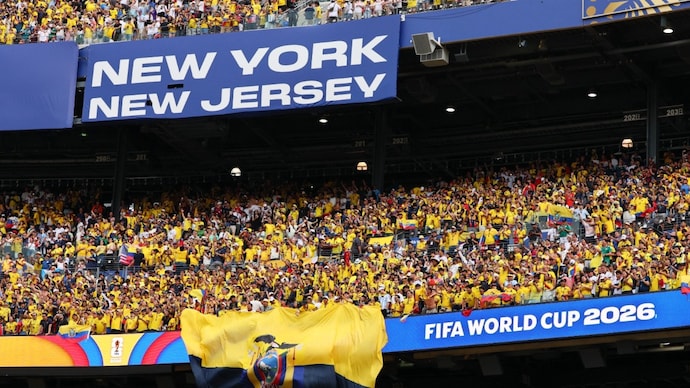
FIFA confirmed the new record during Germany's Group E clash against Ecuador at MetLife Stadium, where the attendance crossed 3,605,357 after the opening 56 matches. It eclipsed the previous mark of 3.587 million spectators set at USA 1994.
FIFA World Cup 2026: Updates
While the tournament has expanded from 52 matches in 1994 to 104 this year, the appetite for football has remained relentless. Stadiums have averaged more than 99 per cent occupancy, and with 48 matches still to be played, the final attendance figure is expected to climb well beyond four million.
For weeks, the World Cup has attracted criticism away from the pitch, yet inside the stadiums the atmosphere has rarely reflected that negativity. Fans have continued to pack venues, turning every major fixture into a spectacle despite the off-field noise.
The landmark was achieved in front of another sell-out crowd of more than 80,000 in New Jersey as Ecuador stunned Germany to reach the knockout stages. Earlier in the tournament, June 16 also set a single-day attendance record with more than 281,000 fans watching four matches across the three host nations.
BUT THE QUESTIONS REMAIN
The record attendance has done little to silence concerns surrounding the tournament.
FIFA's dynamic pricing model sent ticket prices for several high-profile matches into the thousands of dollars, leaving many traditional supporters priced out. At the same time, tighter US visa policies and travel restrictions reportedly affected fans from several countries, particularly across Africa and the Middle East, who struggled to secure permission to attend.
Several host cities also fell short of the tourism boom they had anticipated after soaring hotel prices discouraged visitors from extending their stays.
FIFA World Cup | FIFA World Cup Schedule | FIFA World Cup Points Table | Football News
The 2026 FIFA World Cup has officially become the best-attended tournament in history, surpassing the record set when the United States last hosted the competition in 1994. The milestone, however, comes amid growing criticism over soaring ticket prices, visa restrictions and organisational issues that have overshadowed parts of the tournament.
FIFA confirmed the new record during Germany's Group E clash against Ecuador at MetLife Stadium, where the attendance crossed 3,605,357 after the opening 56 matches. It eclipsed the previous mark of 3.587 million spectators set at USA 1994.
FIFA World Cup 2026: Updates
While the tournament has expanded from 52 matches in 1994 to 104 this year, the appetite for football has remained relentless. Stadiums have averaged more than 99 per cent occupancy, and with 48 matches still to be played, the final attendance figure is expected to climb well beyond four million.
For weeks, the World Cup has attracted criticism away from the pitch, yet inside the stadiums the atmosphere has rarely reflected that negativity. Fans have continued to pack venues, turning every major fixture into a spectacle despite the off-field noise.
The landmark was achieved in front of another sell-out crowd of more than 80,000 in New Jersey as Ecuador stunned Germany to reach the knockout stages. Earlier in the tournament, June 16 also set a single-day attendance record with more than 281,000 fans watching four matches across the three host nations.
BUT THE QUESTIONS REMAIN
The record attendance has done little to silence concerns surrounding the tournament.
FIFA's dynamic pricing model sent ticket prices for several high-profile matches into the thousands of dollars, leaving many traditional supporters priced out. At the same time, tighter US visa policies and travel restrictions reportedly affected fans from several countries, particularly across Africa and the Middle East, who struggled to secure permission to attend.
Several host cities also fell short of the tourism boom they had anticipated after soaring hotel prices discouraged visitors from extending their stays.
FIFA World Cup | FIFA World Cup Schedule | FIFA World Cup Points Table | Football News

