FIFA World Cup: Messi breaks records. The spell remains unbroken
FIFA World Cup 2026: Lionel Messi's latest World Cup record is another milestone in a career overflowing with them. Yet the enduring story is not the number itself, but the feeling of watching a footballing genius still at work.
Arlington, Texas, the 38th minute.
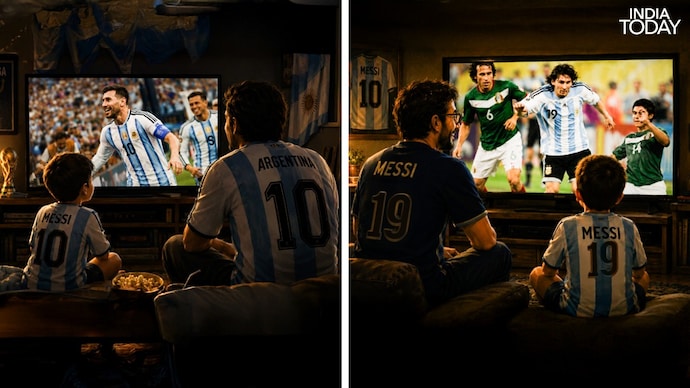
I am not there. I am on a couch on the other side of the planet, watching a stream that runs a few seconds behind real time, which feels about right for covering Lionel Messi from here: always slightly behind, never quite able to catch up.
He takes the ball at the top of the box, glances up once, shifts his weight onto his left foot. In a few seconds, this will become a line in a record book. None of that occurs to me as it happens. I just watch.
That is the trick of watching Messi now, in what is supposed to be the twilight. The numbers keep arriving, but they have stopped being the point.
On a humid Monday night in Texas, two days shy of his 39th birthday, Messi scored twice against Austria to become the all-time leading goalscorer in FIFA World Cup history.
What would have happened had he not reversed his decision to retire from international football in 2016? What if he had stayed retired, watching from afar as Argentina searched for answers without him? It is a thought that makes the stomach drop. A decade of sustained brilliance, a crowning winter of madness in Qatar, and now this age-defying run across the sun-drenched stadiums of North America would have disappeared from the story. The goal tally would have remained frozen at five. The redemption arc would never have arrived.
Instead, we are left to thank whatever stubborn, irrational love for Argentina was planted in him all those years ago.
On Monday, the numbers finally caught up with the man.
By scoring twice, Messi eclipsed Miroslav Klose’s mark of 16 goals to stand alone at the summit of World Cup history, doing so at a record sixth World Cup of his own. His tournament had already begun with a hat-trick against Algeria, his first on this stage, three goals delivered with such soft precision that none of them looked struck in anger.
So, how do you not fall for this man?
For years, the case against him was strangely persistent. He was supposedly a Barcelona invention, dependent on a particular system, a particular midfield, a particular ecosystem. His quieter spell in Paris became evidence. The missing international trophy became an accusation.
Then came Lusail.
When Argentina lifted the World Cup in 2022, it felt more like a release. A debate that had consumed football for years finally exhausted itself. The world could stop arguing and return to enjoying Messi for what he had always been: an artist.
He belongs, alongside Roger Federer and Sachin Tendulkar, to a small group of athletes whose significance cannot be measured entirely by the count. Federer’s one-handed backhand did not require a 20th Grand Slam to become immortal. Tendulkar’s straight drive did not need a World Cup winner’s medal to become part of cricketing folklore.
Yet Messi, driven by some private necessity, went searching for more anyway.
The doubts followed him into this tournament too. There were questions about age, about fatigue, about the gentler rhythms of Major League Soccer.
He answered them the only way he knows how. The joy-giving has resumed, and the world is richer for it.
THE REJECTION OF THE ROUTINE
The easiest route to the record was always going to be a penalty.
When Lautaro Martnez was brought down in the box as early as the sixth minute, a lengthy VAR review ended with the referee pointing to the spot. The script seemed complete. Messi from 12 yards. Goal number 17. Record broken.
He dragged it wide. It was only his third missed penalty at a World Cup, a strangely human footnote in a career that has often felt anything but. History had offered him the simplest route imaginable and he turned away from it, intentionally or otherwise.
Some records demand more than a walk from 12 yards. A penalty is geometry and nerve, a transaction millions of footballers complete every weekend. History, on nights like these, prefers to arrive on foot.
The redemption took nearly 30 minutes.
In the 38th minute, Thiago Almada allowed a pass from Facundo Medina to run through to Messi at the edge of the area. There was no second touch. No hesitation. One stride, one swing of the left foot, and the ball was skimming across the turf and into the corner before Alexander Schlager could reach it.
17.
The record was his.
But Messi was not finished.
Austria, managed by Ralf Rangnick, turned increasingly physical after the break. White shirts closed around him. Challenges arrived late. Every possession became a negotiation.
The tension lingered.
Then, deep into stoppage time, with Austria committed entirely forward in search of an equaliser that never looked likely, the chance arrived through a scramble rather than a clean move. Messi worked a quick exchange with Julin lvarez inside the box, took the ball back, and shot. It was blocked. The ball sat up again into a knot of defenders on the line, and Messi got there first, driving the rebound home from close range.
His 18th World Cup goal, his fifth of this tournament, and a place in the last 32 already wrapped up before the final whistle blew.
THE REAL REWARD
To dissect his goals from these opening matches is to realise that Messi does not really play football to defeat opponents. He plays to tame the ball.
Where the modern game prizes pressing triggers, explosive transitions and relentless athleticism, Messi still treats the football like something to be understood rather than conquered. He strokes it more often than he strikes it.
That is the real story sitting beneath the statistics.
Watching Messi live, even on a delayed stream from the wrong side of the world, has the texture of something closer to meditation. The noise fades. The next touch becomes the only thing that exists.
The modern sporting landscape is obsessed with more. More pace. More output. More content. And here is a man, two days from his 39th birthday, slowing the entire sport down to his own rhythm and making it seem like the only sensible way to play it.
The record belongs to him now, alone at the top of World Cup history. One day somebody may break it. Perhaps a Frenchman already closing in has something to say about that. Records, after all, are designed to be chased.
But that is not what people will remember about Lionel Messi.
They will remember the pauses. The way he walked through matches as though conserving a secret. The glance over his shoulder before spotting a passing lane nobody else could see. The sudden burst of pace that never looked violent, only inevitable. The impossible angles. The left foot opening like a compass.
The goals explain his greatness. They do not fully capture it.
The milestones are the punctuation. Messi is still the prose.
FIFA World Cup | FIFA World Cup Schedule | FIFA World Cup Points Table | Football News
Arlington, Texas, the 38th minute.
I am not there. I am on a couch on the other side of the planet, watching a stream that runs a few seconds behind real time, which feels about right for covering Lionel Messi from here: always slightly behind, never quite able to catch up.
He takes the ball at the top of the box, glances up once, shifts his weight onto his left foot. In a few seconds, this will become a line in a record book. None of that occurs to me as it happens. I just watch.
That is the trick of watching Messi now, in what is supposed to be the twilight. The numbers keep arriving, but they have stopped being the point.
On a humid Monday night in Texas, two days shy of his 39th birthday, Messi scored twice against Austria to become the all-time leading goalscorer in FIFA World Cup history.
What would have happened had he not reversed his decision to retire from international football in 2016? What if he had stayed retired, watching from afar as Argentina searched for answers without him? It is a thought that makes the stomach drop. A decade of sustained brilliance, a crowning winter of madness in Qatar, and now this age-defying run across the sun-drenched stadiums of North America would have disappeared from the story. The goal tally would have remained frozen at five. The redemption arc would never have arrived.
Instead, we are left to thank whatever stubborn, irrational love for Argentina was planted in him all those years ago.
On Monday, the numbers finally caught up with the man.
By scoring twice, Messi eclipsed Miroslav Klose’s mark of 16 goals to stand alone at the summit of World Cup history, doing so at a record sixth World Cup of his own. His tournament had already begun with a hat-trick against Algeria, his first on this stage, three goals delivered with such soft precision that none of them looked struck in anger.
So, how do you not fall for this man?
For years, the case against him was strangely persistent. He was supposedly a Barcelona invention, dependent on a particular system, a particular midfield, a particular ecosystem. His quieter spell in Paris became evidence. The missing international trophy became an accusation.
Then came Lusail.
When Argentina lifted the World Cup in 2022, it felt more like a release. A debate that had consumed football for years finally exhausted itself. The world could stop arguing and return to enjoying Messi for what he had always been: an artist.
He belongs, alongside Roger Federer and Sachin Tendulkar, to a small group of athletes whose significance cannot be measured entirely by the count. Federer’s one-handed backhand did not require a 20th Grand Slam to become immortal. Tendulkar’s straight drive did not need a World Cup winner’s medal to become part of cricketing folklore.
Yet Messi, driven by some private necessity, went searching for more anyway.
The doubts followed him into this tournament too. There were questions about age, about fatigue, about the gentler rhythms of Major League Soccer.
He answered them the only way he knows how. The joy-giving has resumed, and the world is richer for it.
THE REJECTION OF THE ROUTINE
The easiest route to the record was always going to be a penalty.
When Lautaro Martnez was brought down in the box as early as the sixth minute, a lengthy VAR review ended with the referee pointing to the spot. The script seemed complete. Messi from 12 yards. Goal number 17. Record broken.
He dragged it wide. It was only his third missed penalty at a World Cup, a strangely human footnote in a career that has often felt anything but. History had offered him the simplest route imaginable and he turned away from it, intentionally or otherwise.
Some records demand more than a walk from 12 yards. A penalty is geometry and nerve, a transaction millions of footballers complete every weekend. History, on nights like these, prefers to arrive on foot.
The redemption took nearly 30 minutes.
In the 38th minute, Thiago Almada allowed a pass from Facundo Medina to run through to Messi at the edge of the area. There was no second touch. No hesitation. One stride, one swing of the left foot, and the ball was skimming across the turf and into the corner before Alexander Schlager could reach it.
17.
The record was his.
But Messi was not finished.
Austria, managed by Ralf Rangnick, turned increasingly physical after the break. White shirts closed around him. Challenges arrived late. Every possession became a negotiation.
The tension lingered.
Then, deep into stoppage time, with Austria committed entirely forward in search of an equaliser that never looked likely, the chance arrived through a scramble rather than a clean move. Messi worked a quick exchange with Julin lvarez inside the box, took the ball back, and shot. It was blocked. The ball sat up again into a knot of defenders on the line, and Messi got there first, driving the rebound home from close range.
His 18th World Cup goal, his fifth of this tournament, and a place in the last 32 already wrapped up before the final whistle blew.
THE REAL REWARD
To dissect his goals from these opening matches is to realise that Messi does not really play football to defeat opponents. He plays to tame the ball.
Where the modern game prizes pressing triggers, explosive transitions and relentless athleticism, Messi still treats the football like something to be understood rather than conquered. He strokes it more often than he strikes it.
That is the real story sitting beneath the statistics.
Watching Messi live, even on a delayed stream from the wrong side of the world, has the texture of something closer to meditation. The noise fades. The next touch becomes the only thing that exists.
The modern sporting landscape is obsessed with more. More pace. More output. More content. And here is a man, two days from his 39th birthday, slowing the entire sport down to his own rhythm and making it seem like the only sensible way to play it.
The record belongs to him now, alone at the top of World Cup history. One day somebody may break it. Perhaps a Frenchman already closing in has something to say about that. Records, after all, are designed to be chased.
But that is not what people will remember about Lionel Messi.
They will remember the pauses. The way he walked through matches as though conserving a secret. The glance over his shoulder before spotting a passing lane nobody else could see. The sudden burst of pace that never looked violent, only inevitable. The impossible angles. The left foot opening like a compass.
The goals explain his greatness. They do not fully capture it.
The milestones are the punctuation. Messi is still the prose.
FIFA World Cup | FIFA World Cup Schedule | FIFA World Cup Points Table | Football News

