Tennis players want more money, and they are scapegoating media for it
The prize money controversy from the French Open is set to boil over to another Grand Slam. In a show of defiance, top tennis players in the world are set to limit their press interactions to 15 minutes at Wimbledon.
For a second straight Grand Slam, tennis players have decided that the easiest pressure point is not the organisers, not the sponsors, but the media. After threatening boycott action during the French Open over prize money, several of the world's top tennis players are now set to continue their protest at Wimbledon by limiting post-match media interactions to just 15 minutes during the opening week of the tournament.
The top players, who are not happy with the chunk of prize money they are being paid by the organisers that argue that the move is symbolic.
According to a statement issued on Wednesday by an advisory firm representing them, Wimbledon currently returns roughly 14.4 per cent of its revenues to players as prize money. By restricting press duties to 15 minutes, players say they are mirroring what they see as an unfair financial split.
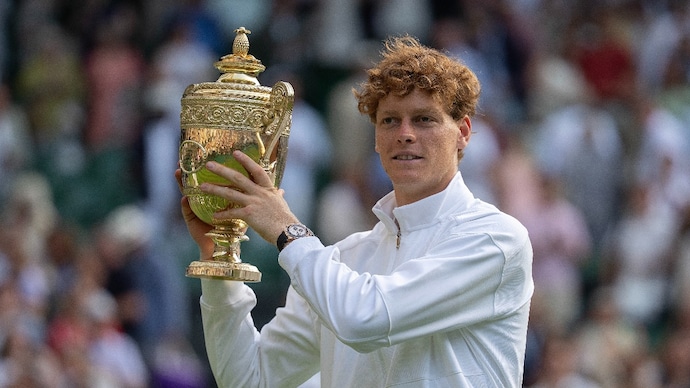
The move comes despite Wimbledon announcing a 20 per cent increase in prize money this year, with the men's and women's singles champions set to receive 3.6 million pounds (Rs 45 crore approx) each.
PLAYERS PROTESTED AT FRENCH OPEN AS WELL
The current push began at the French Open earlier this year when several top names publicly questioned how little of Grand Slam revenues ultimately reach players. The players had proposed receiving 16 per cent of revenues, while some, including World No. 1 Aryna Sabalenka, had argued for an eventual rise closer to 22 per cent.
Sabalenka had even warned that a boycott could become inevitable if negotiations did not move.
"I think at some point we will boycott it," she had said ahead of Roland Garros.
World No. 4 Coco Gauff backed collective action as well, arguing that the current financial structure leaves too many players outside the elite bracket struggling despite tennis generating enormous revenues.
At the French Open, the protest had visible participation from several of the biggest names in the sport. Sabalenka, Coco Gauff, Iga Swiatek and men's World No. 1 Jannik Sinner shortened media commitments, though Novak Djokovic chose not to join.
The interesting part of the latest escalation is that media access has become the bargaining chip.
Players are not refusing matches, skipping practice sessions or boycotting sponsors. Instead, they are reducing one of the few windows through which fans, broadcasters and journalists interact with the sport beyond the court.
Whether that creates enough pressure to force a bigger redistribution of revenues remains to be seen.
For a second straight Grand Slam, tennis players have decided that the easiest pressure point is not the organisers, not the sponsors, but the media. After threatening boycott action during the French Open over prize money, several of the world's top tennis players are now set to continue their protest at Wimbledon by limiting post-match media interactions to just 15 minutes during the opening week of the tournament.
The top players, who are not happy with the chunk of prize money they are being paid by the organisers that argue that the move is symbolic.
According to a statement issued on Wednesday by an advisory firm representing them, Wimbledon currently returns roughly 14.4 per cent of its revenues to players as prize money. By restricting press duties to 15 minutes, players say they are mirroring what they see as an unfair financial split.
The move comes despite Wimbledon announcing a 20 per cent increase in prize money this year, with the men's and women's singles champions set to receive 3.6 million pounds (Rs 45 crore approx) each.
PLAYERS PROTESTED AT FRENCH OPEN AS WELL
The current push began at the French Open earlier this year when several top names publicly questioned how little of Grand Slam revenues ultimately reach players. The players had proposed receiving 16 per cent of revenues, while some, including World No. 1 Aryna Sabalenka, had argued for an eventual rise closer to 22 per cent.
Sabalenka had even warned that a boycott could become inevitable if negotiations did not move.
"I think at some point we will boycott it," she had said ahead of Roland Garros.
World No. 4 Coco Gauff backed collective action as well, arguing that the current financial structure leaves too many players outside the elite bracket struggling despite tennis generating enormous revenues.
At the French Open, the protest had visible participation from several of the biggest names in the sport. Sabalenka, Coco Gauff, Iga Swiatek and men's World No. 1 Jannik Sinner shortened media commitments, though Novak Djokovic chose not to join.
The interesting part of the latest escalation is that media access has become the bargaining chip.
Players are not refusing matches, skipping practice sessions or boycotting sponsors. Instead, they are reducing one of the few windows through which fans, broadcasters and journalists interact with the sport beyond the court.
Whether that creates enough pressure to force a bigger redistribution of revenues remains to be seen.

