Bill Gates image so bad he wasn't invited to Microsoft CEO Summit: Report
For years, Bill Gates worked to build a reputation as a philanthropist rather than just a tech billionaire. But new questions about his links to Jeffrey Epstein are now putting that image under pressure, with reports suggesting the fallout is starting to affect some of his biggest public appearances.
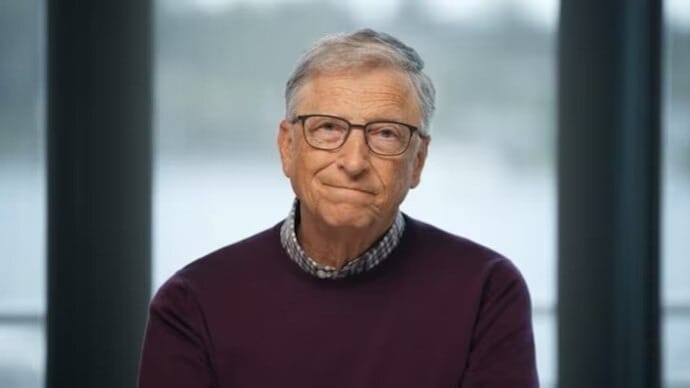
When we talk about influential figures in tech, Bill Gates is almost always part of the conversation. The Microsoft co-founder has spent decades reshaping his public image, transforming himself from the hard-driving executive of the company's antitrust era into one of the world's most recognisable philanthropists. But that carefully cultivated image is now under controversy following the latest revelations emerging from the Jeffrey Epstein files.
Bill Gates has been one of the most prominent names to emerge from the recently released Jeffrey Epstein files. His association with the late convicted sex offender is now reportedly taking a toll on his carefully cultivated public image and his participation in recent high-profile events.
According to a new report by The Wall Street Journal, Gates was effectively sidelined from several high-profile events this year. Among them was Microsoft's annual CEO Summit, where Gates has traditionally played a visible role. Weeks before the event, people familiar with the matter told the publication that Gates' team was informed it would be better not to host the dinner he usually holds at his Washington home for attending CEOs.
In India too, Gates had been scheduled to deliver a keynote address at an AI summit in New Delhi in February. However, Indian government officials reportedly became concerned that media attention surrounding the Epstein revelations could overshadow the event's focus on artificial intelligence. Gates ultimately withdrew from the summit at the last minute, with both sides later describing the decision as mutual. Foundation leaders also reportedly removed him from a planned trip to South Africa.
The image built over decades
According to the report, Microsoft carefully crafted Gates’ public image over the years. According to current and former employees cited by the Journal, Gates' team went to unusual lengths to manage his public appearances. Staff reportedly maintained a custom-sized mannequin to test outfits, kept spare pairs of his trademark glasses on hand, and prepared multiple clothing options for approval before events.
The effort was part of a broader strategy to transform Gates from the tough, aggressive executive who led Microsoft during its antitrust battles into an approachable and thoughtful public figure.
Much of that image makeover is said to be achieved through the work of the Gates Foundation, which helped establish Gates as one of the world's most prominent philanthropists.
However, following the Epstein controversy, Gates' team has now reportedly become extra cautious about how the public views him. Internal documents mentioned in the report reveal that both the Gates Foundation and Gates Ventures had been closely tracking public sentiment. One internal analysis reportedly found a more than 40 per cent increase in what it described as "critical news narratives" surrounding Gates and the foundation, highlighting the growing reputational challenges facing the Microsoft co-founder.
What is the controversy around Gates?
The criticism surrounding Gates started following the details contained in Justice Department files that reportedly show he met Epstein multiple times despite concerns raised by then-wife Melinda French Gates. The documents also suggested that Epstein knew about some of Gates' extramarital relationships and that two close Gates advisers exchanged hundreds of messages with Epstein until 2019.
Gates has repeatedly maintained that meeting Epstein was a mistake and has denied any involvement in illegal activity. A spokesperson told the Journal that Gates supports the release of all Epstein files and is willing to cooperate with congressional investigators.
However, the scrutiny around Gates appears far from over. As he prepares to appear before a congressional committee in June, the Epstein controversy continues to cast a shadow over the public image he spent years building.
When we talk about influential figures in tech, Bill Gates is almost always part of the conversation. The Microsoft co-founder has spent decades reshaping his public image, transforming himself from the hard-driving executive of the company's antitrust era into one of the world's most recognisable philanthropists. But that carefully cultivated image is now under controversy following the latest revelations emerging from the Jeffrey Epstein files.
Bill Gates has been one of the most prominent names to emerge from the recently released Jeffrey Epstein files. His association with the late convicted sex offender is now reportedly taking a toll on his carefully cultivated public image and his participation in recent high-profile events.
According to a new report by The Wall Street Journal, Gates was effectively sidelined from several high-profile events this year. Among them was Microsoft's annual CEO Summit, where Gates has traditionally played a visible role. Weeks before the event, people familiar with the matter told the publication that Gates' team was informed it would be better not to host the dinner he usually holds at his Washington home for attending CEOs.
In India too, Gates had been scheduled to deliver a keynote address at an AI summit in New Delhi in February. However, Indian government officials reportedly became concerned that media attention surrounding the Epstein revelations could overshadow the event's focus on artificial intelligence. Gates ultimately withdrew from the summit at the last minute, with both sides later describing the decision as mutual. Foundation leaders also reportedly removed him from a planned trip to South Africa.
The image built over decades
According to the report, Microsoft carefully crafted Gates’ public image over the years. According to current and former employees cited by the Journal, Gates' team went to unusual lengths to manage his public appearances. Staff reportedly maintained a custom-sized mannequin to test outfits, kept spare pairs of his trademark glasses on hand, and prepared multiple clothing options for approval before events.
The effort was part of a broader strategy to transform Gates from the tough, aggressive executive who led Microsoft during its antitrust battles into an approachable and thoughtful public figure.
Much of that image makeover is said to be achieved through the work of the Gates Foundation, which helped establish Gates as one of the world's most prominent philanthropists.
However, following the Epstein controversy, Gates' team has now reportedly become extra cautious about how the public views him. Internal documents mentioned in the report reveal that both the Gates Foundation and Gates Ventures had been closely tracking public sentiment. One internal analysis reportedly found a more than 40 per cent increase in what it described as "critical news narratives" surrounding Gates and the foundation, highlighting the growing reputational challenges facing the Microsoft co-founder.
What is the controversy around Gates?
The criticism surrounding Gates started following the details contained in Justice Department files that reportedly show he met Epstein multiple times despite concerns raised by then-wife Melinda French Gates. The documents also suggested that Epstein knew about some of Gates' extramarital relationships and that two close Gates advisers exchanged hundreds of messages with Epstein until 2019.
Gates has repeatedly maintained that meeting Epstein was a mistake and has denied any involvement in illegal activity. A spokesperson told the Journal that Gates supports the release of all Epstein files and is willing to cooperate with congressional investigators.
However, the scrutiny around Gates appears far from over. As he prepares to appear before a congressional committee in June, the Epstein controversy continues to cast a shadow over the public image he spent years building.

