Father of the Internet Vinton Cerf is retiring after 20 years at Google
Vinton Cerf, widely regarded as the "Father of the Internet" is retiring as chief internet evangelist at Google after 20 years. Cerf played a big role in shaping the internet, including the formation of standard protocols as far back as the 1970s, that are still used today.
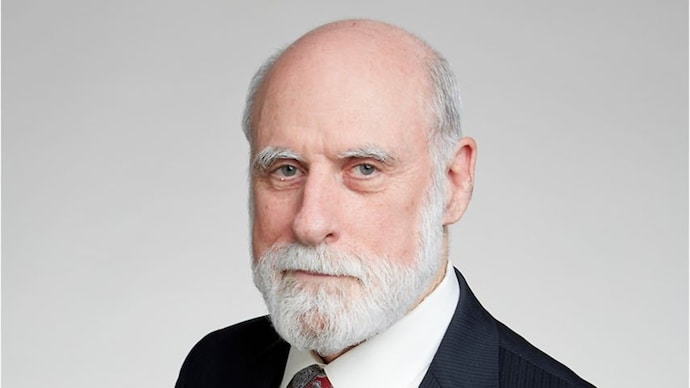
The internet is a part of our everyday lives. Without the internet, the world would fail to function like it does now, be it banking, commerce, education, and of course the way you stay connected to your friends online. And Vinton Cerf was one of the architects that shaped the internet as we know it. Now, after spending over 20 years at Google, Cert, aka the “Father of the Internet,” is retiring.
Cerf’s retirement announcement was made at a panel during the Open Frontier conference hosted by the Laude Institute. Dave Patterson, the UC Berkeley professor known for co-developing RISC processor architecture, told the audience,“Vint has been at Google more than 20 years, and he is retiring a week from today, and so I think we ought to give him a round of applause for a relatively good career.” Patterson’s words drew cheers from the crowd.
Vinton Cerf, now 83, served as vice-president and chief internet evangelist at Google since 2005.
Why is Vinton Cerf called the “Father of the Internet?”
Vinton Cerf and his fellow computer scientist Robert Kahn are credited for developing networking protocols that became the basis of the modern internet. This earned him the nickname the “Father of the Internet.”
Beginning in the 1970s, Cerf worked on TCP/IP protocols that essentially set the rules that allow different computer networks to communicate with each other. That is, the “Father of the Internet” made it possible for computers to talk to one another, which forms the basis of how the internet works.
Cerf’s work has been recognised with numerous honorary degrees and awards. In 2004, he won the ACM Turing Award, often regarded as the “Nobel Prize of computing.” A year later Vinton Cerf was given the US Presidential Medal of Freedom, the highest civilian honor in the US, by then-President George W Bush.
English not the best choice for AI agents, says Vinton Cerf
While Cerf is hanging up his gloves, he continues to have strong views on the future of the internet. At the Open Frontier conference, Vinton Cerf discussed how AI agents could change the way companies use the internet.
Vinton Cerf suggested that there was a need for change in the way AI agents talk. Cerf believes that natural language communication – communicating the way humans talk – may not work in the long run. He said, “I don’t think English is going to be the best choice. There’s a flexibility in it, but there’s ambiguity, and I think precision for interagent interaction is going to be very, very important. An agent really needs to be sure the other agent understands what it is that they just agreed to do together.”
To make his point clear, Vinton cited the game “Chinese whispers” where the original message would often get distorted as it was passed to others. He explained, “Remember the old telephone game where you wish you’d whispered in somebody’s ear and then by the time it got to 10 people away the message was totally different?” Cerf added, “Imagine a bunch of agents talking to each other in natural language, you know, that’s kind of terrifying.”
The internet is a part of our everyday lives. Without the internet, the world would fail to function like it does now, be it banking, commerce, education, and of course the way you stay connected to your friends online. And Vinton Cerf was one of the architects that shaped the internet as we know it. Now, after spending over 20 years at Google, Cert, aka the “Father of the Internet,” is retiring.
Cerf’s retirement announcement was made at a panel during the Open Frontier conference hosted by the Laude Institute. Dave Patterson, the UC Berkeley professor known for co-developing RISC processor architecture, told the audience,“Vint has been at Google more than 20 years, and he is retiring a week from today, and so I think we ought to give him a round of applause for a relatively good career.” Patterson’s words drew cheers from the crowd.
Vinton Cerf, now 83, served as vice-president and chief internet evangelist at Google since 2005.
Why is Vinton Cerf called the “Father of the Internet?”
Vinton Cerf and his fellow computer scientist Robert Kahn are credited for developing networking protocols that became the basis of the modern internet. This earned him the nickname the “Father of the Internet.”
Beginning in the 1970s, Cerf worked on TCP/IP protocols that essentially set the rules that allow different computer networks to communicate with each other. That is, the “Father of the Internet” made it possible for computers to talk to one another, which forms the basis of how the internet works.
Cerf’s work has been recognised with numerous honorary degrees and awards. In 2004, he won the ACM Turing Award, often regarded as the “Nobel Prize of computing.” A year later Vinton Cerf was given the US Presidential Medal of Freedom, the highest civilian honor in the US, by then-President George W Bush.
English not the best choice for AI agents, says Vinton Cerf
While Cerf is hanging up his gloves, he continues to have strong views on the future of the internet. At the Open Frontier conference, Vinton Cerf discussed how AI agents could change the way companies use the internet.
Vinton Cerf suggested that there was a need for change in the way AI agents talk. Cerf believes that natural language communication – communicating the way humans talk – may not work in the long run. He said, “I don’t think English is going to be the best choice. There’s a flexibility in it, but there’s ambiguity, and I think precision for interagent interaction is going to be very, very important. An agent really needs to be sure the other agent understands what it is that they just agreed to do together.”
To make his point clear, Vinton cited the game “Chinese whispers” where the original message would often get distorted as it was passed to others. He explained, “Remember the old telephone game where you wish you’d whispered in somebody’s ear and then by the time it got to 10 people away the message was totally different?” Cerf added, “Imagine a bunch of agents talking to each other in natural language, you know, that’s kind of terrifying.”

