iOS 27, iPadOS 27 and macOS Golden Gate updates leave these Apple iPhones, iPads and Macs behind
Apple is ending software support for 16 devices this fall, with the Apple Watch seeing the biggest change. The move also affects some older models of iPad, Mac, and Apple TV devices.
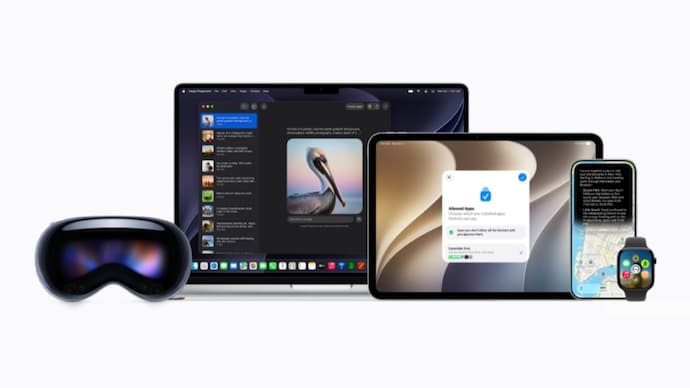
As Apple unveiled its new operating systems at WWDC last week, the company revealed that it will end software support for 16 devices across its product lineup this fall. The move will affect several older Apple Watch, iPad, Mac, and Apple TV models. The changes became clear after Apple announced watchOS 27, iPadOS 27, macOS 27 Golden Gate, and tvOS 27. While some product categories are seeing significant cuts, iPhone users have a reason to be happy, as iOS 27 will continue supporting the same devices as iOS 26.
List of Apple devices losing software support
The biggest change is coming to the Apple Watch lineup. With watchOS 27, Apple is dropping support for five models, including the Apple Watch Series 6, Series 7, Series 8, first-generation Apple Watch Ultra, and second-generation Apple Watch SE.
This marks one of the biggest support cuts in Apple Watch history, with three generations of the smartwatch lineup losing access to the latest software in one update cycle. Before this update, Apple had kept the compatibility list stable for several years. For example, watchOS 26 supports the same lineup that was already supported by watchOS 11. This meant Apple Watch Series 6 and newer models, along with the Apple Watch SE (2nd generation) and Apple Watch Ultra models, continued receiving updates without any major cuts. However, watchOS 27 changes that approach by removing support for multiple generations at once.
Meanwhile, the iPad lineup is also seeing significant changes. iPadOS 27 will no longer support the iPad Air (3rd generation), iPad Pro 12.9-inch (3rd generation), iPad Pro 11-inch (1st generation), iPad (8th generation), and iPad mini (5th generation).
For Mac users, macOS 27 Golden Gate will officially end support for Intel-based Macs. The update will drop the MacBook Pro 16-inch (2019), MacBook Pro 13-inch (2020 with four Thunderbolt ports), iMac (2020), and Mac Pro (2019).
Apple TV users will also see two models removed from the supported list. The Apple TV HD from 2015 and the first-generation Apple TV 4K from 2017 will not receive tvOS 27.
Why Apple is making this change
Apple’s decision to drop support is mainly linked to hardware limitations. The company’s latest operating systems require newer chips to deliver improved performance, security, and features. For example, for the new Apple Watch, faster chips like the S9 and S10 are required. For newer iPads, processors like the A14 Bionic and M-series chips are required. And for new Macs, Apple Silicon M-series chips are required. So when it comes to older devices, it may still work, but they may not have the processing power needed for future updates.
However, losing software support does not mean these devices will stop working. Owners can continue using their devices, but they will not receive new features introduced with the latest operating systems. Apple typically continues providing security updates for older devices for some time after a major update arrives. Apple’s new operating systems are expected to roll out later this year, in September, after completing beta testing.
As Apple unveiled its new operating systems at WWDC last week, the company revealed that it will end software support for 16 devices across its product lineup this fall. The move will affect several older Apple Watch, iPad, Mac, and Apple TV models. The changes became clear after Apple announced watchOS 27, iPadOS 27, macOS 27 Golden Gate, and tvOS 27. While some product categories are seeing significant cuts, iPhone users have a reason to be happy, as iOS 27 will continue supporting the same devices as iOS 26.
List of Apple devices losing software support
The biggest change is coming to the Apple Watch lineup. With watchOS 27, Apple is dropping support for five models, including the Apple Watch Series 6, Series 7, Series 8, first-generation Apple Watch Ultra, and second-generation Apple Watch SE.
This marks one of the biggest support cuts in Apple Watch history, with three generations of the smartwatch lineup losing access to the latest software in one update cycle. Before this update, Apple had kept the compatibility list stable for several years. For example, watchOS 26 supports the same lineup that was already supported by watchOS 11. This meant Apple Watch Series 6 and newer models, along with the Apple Watch SE (2nd generation) and Apple Watch Ultra models, continued receiving updates without any major cuts. However, watchOS 27 changes that approach by removing support for multiple generations at once.
Meanwhile, the iPad lineup is also seeing significant changes. iPadOS 27 will no longer support the iPad Air (3rd generation), iPad Pro 12.9-inch (3rd generation), iPad Pro 11-inch (1st generation), iPad (8th generation), and iPad mini (5th generation).
For Mac users, macOS 27 Golden Gate will officially end support for Intel-based Macs. The update will drop the MacBook Pro 16-inch (2019), MacBook Pro 13-inch (2020 with four Thunderbolt ports), iMac (2020), and Mac Pro (2019).
Apple TV users will also see two models removed from the supported list. The Apple TV HD from 2015 and the first-generation Apple TV 4K from 2017 will not receive tvOS 27.
Why Apple is making this change
Apple’s decision to drop support is mainly linked to hardware limitations. The company’s latest operating systems require newer chips to deliver improved performance, security, and features. For example, for the new Apple Watch, faster chips like the S9 and S10 are required. For newer iPads, processors like the A14 Bionic and M-series chips are required. And for new Macs, Apple Silicon M-series chips are required. So when it comes to older devices, it may still work, but they may not have the processing power needed for future updates.
However, losing software support does not mean these devices will stop working. Owners can continue using their devices, but they will not receive new features introduced with the latest operating systems. Apple typically continues providing security updates for older devices for some time after a major update arrives. Apple’s new operating systems are expected to roll out later this year, in September, after completing beta testing.

