Sam Altman may give Trump administration 5% share in OpenAI
OpenAI is reportedly in early discussions over a proposal that could give the US government a 5 per cent stake in the AI company. The move is aimed at ensuring Americans benefit financially from the AI boom.
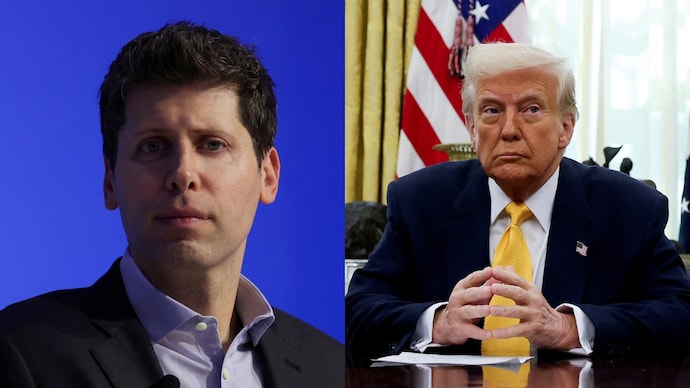
Sam Altman could soon hand the US government a stake in OpenAI. According to a new report by the Financial Times, the ChatGPT maker is in early discussions to give the US government a 5 per cent stake in the company. This proposal aims to ensure Americans benefit from the AI boom while helping companies manage regulatory scrutiny from Washington.
The discussions are still at a conceptual stage, and no agreement has been reached. The reported proposal also extends beyond OpenAI. According to the report, Altman and other OpenAI executives have suggested that the biggest American AI companies could each allocate 5 per cent of their equity to a government-backed investment vehicle or sovereign wealth fund.
Companies reportedly discussed include Anthropic, Google and Meta, although there is no indication that any of them have agreed to participate.
5 per cent stake of OpenAI worth?
Based on OpenAI's latest post-money valuation of around $852 billion, a 5 per cent stake would be worth approximately $42.6 billion.
Why this proposal?
According to the report, the proposal of giving 5 per cent of OpenAI stakes reportedly follows a series of conversations between Altman and US President Donald Trump, Commerce Secretary Howard Lutnick and Treasury Secretary Scott Bessent. Altman is also said to have met Democratic Senator Bernie Sanders in recent weeks. Sanders has separately advocated for a sovereign wealth fund financed through a one-time 50 per cent tax on shares of the country's largest AI companies.
OpenAI's proposal could reportedly be modelled on the Alaska Permanent Fund, which invests the state's oil revenues and pays annual dividends to residents. Another version of the proposal reportedly explores using "Trump accounts", or a similar investment mechanism, that would give American households exposure to the growth of AI companies.
The concept is not entirely new for OpenAI. Earlier this year, the company published a policy paper arguing that a "public wealth fund" could ensure every citizen, including those without stock market investments, benefits from AI-driven economic growth. It suggested that returns from such a fund could eventually be distributed directly to the public. Anthropic has also proposed a similar idea, calling for "universal pre-distributive capital accounts" that would prioritise workers whose jobs are most vulnerable to AI disruption.
US controlling AI companies?
Meanwhile, OpenAI's discussions also come at a time when the Trump administration is tightening oversight of advanced AI systems. The White House has been reviewing how and when OpenAI can release its most powerful AI models. According to the report, the administration recently asked OpenAI to stagger the rollout of GPT-5.6, initially limiting access to a small group of trusted partners before a wider public release.
Anthropic has already experienced similar regulatory pressure. Last month, it temporarily suspended access to its advanced Fable and Mythos models after receiving a government order restricting foreign access on national security grounds. The company restored access earlier this week after addressing policymakers' concerns.
Meanwhile OpenAI’s proposal has drawn mixed reactions. Some investors reportedly believe it is more of a political gesture than a genuine wealth-sharing initiative. Others argue that government ownership in a leading AI company could distort competition and set a precedent for other countries to demand similar stakes in US AI firms.
Sam Altman could soon hand the US government a stake in OpenAI. According to a new report by the Financial Times, the ChatGPT maker is in early discussions to give the US government a 5 per cent stake in the company. This proposal aims to ensure Americans benefit from the AI boom while helping companies manage regulatory scrutiny from Washington.
The discussions are still at a conceptual stage, and no agreement has been reached. The reported proposal also extends beyond OpenAI. According to the report, Altman and other OpenAI executives have suggested that the biggest American AI companies could each allocate 5 per cent of their equity to a government-backed investment vehicle or sovereign wealth fund.
Companies reportedly discussed include Anthropic, Google and Meta, although there is no indication that any of them have agreed to participate.
5 per cent stake of OpenAI worth?
Based on OpenAI's latest post-money valuation of around $852 billion, a 5 per cent stake would be worth approximately $42.6 billion.
Why this proposal?
According to the report, the proposal of giving 5 per cent of OpenAI stakes reportedly follows a series of conversations between Altman and US President Donald Trump, Commerce Secretary Howard Lutnick and Treasury Secretary Scott Bessent. Altman is also said to have met Democratic Senator Bernie Sanders in recent weeks. Sanders has separately advocated for a sovereign wealth fund financed through a one-time 50 per cent tax on shares of the country's largest AI companies.
OpenAI's proposal could reportedly be modelled on the Alaska Permanent Fund, which invests the state's oil revenues and pays annual dividends to residents. Another version of the proposal reportedly explores using "Trump accounts", or a similar investment mechanism, that would give American households exposure to the growth of AI companies.
The concept is not entirely new for OpenAI. Earlier this year, the company published a policy paper arguing that a "public wealth fund" could ensure every citizen, including those without stock market investments, benefits from AI-driven economic growth. It suggested that returns from such a fund could eventually be distributed directly to the public. Anthropic has also proposed a similar idea, calling for "universal pre-distributive capital accounts" that would prioritise workers whose jobs are most vulnerable to AI disruption.
US controlling AI companies?
Meanwhile, OpenAI's discussions also come at a time when the Trump administration is tightening oversight of advanced AI systems. The White House has been reviewing how and when OpenAI can release its most powerful AI models. According to the report, the administration recently asked OpenAI to stagger the rollout of GPT-5.6, initially limiting access to a small group of trusted partners before a wider public release.
Anthropic has already experienced similar regulatory pressure. Last month, it temporarily suspended access to its advanced Fable and Mythos models after receiving a government order restricting foreign access on national security grounds. The company restored access earlier this week after addressing policymakers' concerns.
Meanwhile OpenAI’s proposal has drawn mixed reactions. Some investors reportedly believe it is more of a political gesture than a genuine wealth-sharing initiative. Others argue that government ownership in a leading AI company could distort competition and set a precedent for other countries to demand similar stakes in US AI firms.

