Pavel Durov claims Reliance is sabotaging Telegram access outside India, likely to benefit WhatsApp
Telegram CEO Pavel Durov has accused Reliance Communications (RCom) of blocking access to Telegram outside India. The claim puts focus on an alleged restriction affecting the messaging platform.
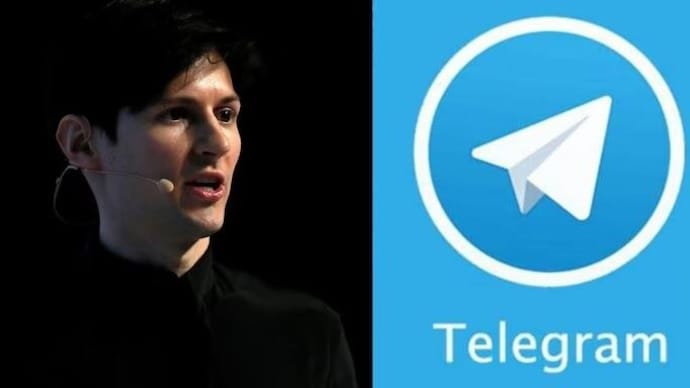
Telegram founder and CEO Pavel Durov has publicly accused Reliance Communications (RCom) of interfering with Telegram's internet connectivity, claiming that the telecom giant is disrupting access to the messaging platform for users in several countries outside India. In a post shared on X, Durov alleged that Reliance is using a technique known as Border Gateway Protocol (BGP) hijacking to affect Telegram's network routes. According to him, the issue is not limited to India and has reportedly impacted users in regions including the United Arab Emirates.
Update: Hours after Durov made his allegations, Reliance Jio has categorically distanced itself from the issue. In a post on X, the company said: "Recent posts on X have led to speculation regarding Reliance Jio Infocomm Limited (AS55836) and a BGP route misconfiguration. We categorically clarify that Jio has not been involved in any such incident. Jio continues to operate its network in accordance with global Internet routing best practices and the highest standards of reliability, security, and transparency."
"Indian telecom Reliance is sabotaging access to Telegram for millions of users OUTSIDE India (including the UAE) via a rogue method called BGP hijacking," Durov wrote.
BGP is a core internet routing system that helps direct data across networks worldwide. Security experts generally view unauthorised route announcements as a serious issue because they can divert internet traffic away from its intended path. Durov further claimed that the disruption appears deliberate, alleging that Reliance has failed to respond to multiple reports regarding the matter. He also linked the alleged incident to business competition in the messaging space.
"The sabotage seems intentional, as Reliance has ignored multiple reports," he said.
The Telegram chief went on to suggest that the issue could be connected to competition with WhatsApp. He pointed out that Reliance has business ties with Meta, the company that owns WhatsApp, Facebook and Instagram.
"This may be part of a competitive war, as Reliance is partially owned by Meta — the company behind WhatsApp," Durov claimed.
Reliance has not publicly responded to Durov's allegations at the time of writing. India Today Tech has reached out to Reliance for a comment and we will update the story when we hear back from them.
Telegram already under pressure in India over NEET leak concerns
The accusations come at a time when Telegram is already facing challenges in India. Earlier this week, Indian authorities temporarily restricted access to the platform until Monday, citing concerns over its alleged use by organised cheating networks involved in examination paper leaks.
According to the National Testing Agency (NTA), Telegram groups were allegedly being used by fraud networks targeting candidates appearing for the NEET 2026 re-examination, which is scheduled for June 21. Authorities also directed the platform to disable the ability to edit previously posted messages during the restriction period.
The government said the move was taken under provisions of India's IT laws and described it as a last-resort measure after previous attempts to remove objectionable content did not deliver the desired results. Officials added that the restriction was intended to prevent cheating rackets from exploiting the platform ahead of the examination.
The temporary block follows controversy surrounding the NEET examination earlier this year, when authorities cancelled the original test after discovering that question papers had been leaked before the exam. The incident triggered protests from students across the country and renewed scrutiny of examination security.
Durov has criticised the government's decision, arguing that restricting Telegram does little to stop those responsible for leaks.
"This punishes 150M+ ordinary Telegram users in India, not the insiders who leaked the exam materials," he wrote in a separate post, adding that those involved in such activities simply move to other platforms.
In his latest statement, Durov also claimed that he would not be surprised if Reliance and WhatsApp were connected to efforts aimed at pushing for a Telegram ban in India, though he did not provide evidence to support the allegation.
He urged network operators worldwide to reject unauthorised BGP announcements originating from Reliance's network in order to prevent route hijacking and maintain stable internet connectivity.
Telegram founder and CEO Pavel Durov has publicly accused Reliance Communications (RCom) of interfering with Telegram's internet connectivity, claiming that the telecom giant is disrupting access to the messaging platform for users in several countries outside India. In a post shared on X, Durov alleged that Reliance is using a technique known as Border Gateway Protocol (BGP) hijacking to affect Telegram's network routes. According to him, the issue is not limited to India and has reportedly impacted users in regions including the United Arab Emirates.
Update: Hours after Durov made his allegations, Reliance Jio has categorically distanced itself from the issue. In a post on X, the company said: "Recent posts on X have led to speculation regarding Reliance Jio Infocomm Limited (AS55836) and a BGP route misconfiguration. We categorically clarify that Jio has not been involved in any such incident. Jio continues to operate its network in accordance with global Internet routing best practices and the highest standards of reliability, security, and transparency."
"Indian telecom Reliance is sabotaging access to Telegram for millions of users OUTSIDE India (including the UAE) via a rogue method called BGP hijacking," Durov wrote.
BGP is a core internet routing system that helps direct data across networks worldwide. Security experts generally view unauthorised route announcements as a serious issue because they can divert internet traffic away from its intended path. Durov further claimed that the disruption appears deliberate, alleging that Reliance has failed to respond to multiple reports regarding the matter. He also linked the alleged incident to business competition in the messaging space.
"The sabotage seems intentional, as Reliance has ignored multiple reports," he said.
The Telegram chief went on to suggest that the issue could be connected to competition with WhatsApp. He pointed out that Reliance has business ties with Meta, the company that owns WhatsApp, Facebook and Instagram.
"This may be part of a competitive war, as Reliance is partially owned by Meta — the company behind WhatsApp," Durov claimed.
Reliance has not publicly responded to Durov's allegations at the time of writing. India Today Tech has reached out to Reliance for a comment and we will update the story when we hear back from them.
Telegram already under pressure in India over NEET leak concerns
The accusations come at a time when Telegram is already facing challenges in India. Earlier this week, Indian authorities temporarily restricted access to the platform until Monday, citing concerns over its alleged use by organised cheating networks involved in examination paper leaks.
According to the National Testing Agency (NTA), Telegram groups were allegedly being used by fraud networks targeting candidates appearing for the NEET 2026 re-examination, which is scheduled for June 21. Authorities also directed the platform to disable the ability to edit previously posted messages during the restriction period.
The government said the move was taken under provisions of India's IT laws and described it as a last-resort measure after previous attempts to remove objectionable content did not deliver the desired results. Officials added that the restriction was intended to prevent cheating rackets from exploiting the platform ahead of the examination.
The temporary block follows controversy surrounding the NEET examination earlier this year, when authorities cancelled the original test after discovering that question papers had been leaked before the exam. The incident triggered protests from students across the country and renewed scrutiny of examination security.
Durov has criticised the government's decision, arguing that restricting Telegram does little to stop those responsible for leaks.
"This punishes 150M+ ordinary Telegram users in India, not the insiders who leaked the exam materials," he wrote in a separate post, adding that those involved in such activities simply move to other platforms.
In his latest statement, Durov also claimed that he would not be surprised if Reliance and WhatsApp were connected to efforts aimed at pushing for a Telegram ban in India, though he did not provide evidence to support the allegation.
He urged network operators worldwide to reject unauthorised BGP announcements originating from Reliance's network in order to prevent route hijacking and maintain stable internet connectivity.

