A 28-year-old engineer's father drops him to work every day. Here's why
An X post claimed a 28-year-old IT engineer has never been allowed to drive because of his horoscope. The claim set off a wider debate on astrology, family control and personal choice.
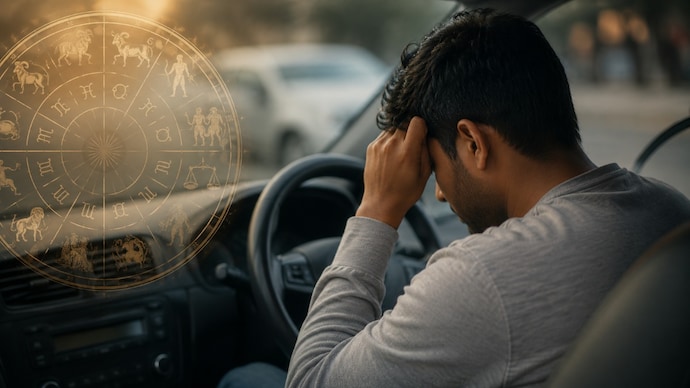
For most people, learning to drive is a milestone of adulthood. But for one 28-year-old IT engineer, it has never been an option, not because he didn't want to, but because his family's faith in his horoscope convinced them he shouldn't.
The unusual story was shared on X by Ahmedabad-based entrepreneur Pritesh Lakhani, sparking a debate on astrology, personal choice and the influence of kundlis on life decisions.
In his post, Lakhani wrote, "Devils are not born; they are made, sometimes by horoscope."
He went on to describe meeting "a 28-year-old IT engineer and father to a toddler" who, despite being financially independent and employed, has never learned to ride a bicycle or drive any vehicle.
"He is not allowed to drive any vehicle because his kundli says he might kill someone," Lakhani wrote.
According to the post, the man's father still drops him to work every day. Curious about the family's unwavering faith in the horoscope, Lakhani said he couldn't help asking the engineer's father a question.
"I couldn't resist and asked the uncle what his kundli says about AI," he quipped.
See the post here:
The remark struck a chord online, with the post quickly gaining attention and opening up a wider conversation about astrology's role in modern life.
A kundli, or birth chart, is traditionally used in Hindu astrology to predict trends related to health, career, education and relationships. However, the viral post prompted many to question whether such predictions should dictate major life choices, especially those involving everyday independence.
Social media users were divided in their reactions. Some argued that astrology is a matter of personal belief and should be respected if it brings comfort to families. Others felt that preventing an adult from learning essential life skills based solely on a horoscope could unnecessarily limit personal freedom and confidence.
While the authenticity of the story cannot be independently verified, the post has reignited an old debate: where should the line be drawn between cultural belief and practical decision-making? As the discussion continues online, one thing is certain, the story has left people reflecting on just how much influence a horoscope should have over everyday life.
For most people, learning to drive is a milestone of adulthood. But for one 28-year-old IT engineer, it has never been an option, not because he didn't want to, but because his family's faith in his horoscope convinced them he shouldn't.
The unusual story was shared on X by Ahmedabad-based entrepreneur Pritesh Lakhani, sparking a debate on astrology, personal choice and the influence of kundlis on life decisions.
In his post, Lakhani wrote, "Devils are not born; they are made, sometimes by horoscope."
He went on to describe meeting "a 28-year-old IT engineer and father to a toddler" who, despite being financially independent and employed, has never learned to ride a bicycle or drive any vehicle.
"He is not allowed to drive any vehicle because his kundli says he might kill someone," Lakhani wrote.
According to the post, the man's father still drops him to work every day. Curious about the family's unwavering faith in the horoscope, Lakhani said he couldn't help asking the engineer's father a question.
"I couldn't resist and asked the uncle what his kundli says about AI," he quipped.
See the post here:
The remark struck a chord online, with the post quickly gaining attention and opening up a wider conversation about astrology's role in modern life.
A kundli, or birth chart, is traditionally used in Hindu astrology to predict trends related to health, career, education and relationships. However, the viral post prompted many to question whether such predictions should dictate major life choices, especially those involving everyday independence.
Social media users were divided in their reactions. Some argued that astrology is a matter of personal belief and should be respected if it brings comfort to families. Others felt that preventing an adult from learning essential life skills based solely on a horoscope could unnecessarily limit personal freedom and confidence.
While the authenticity of the story cannot be independently verified, the post has reignited an old debate: where should the line be drawn between cultural belief and practical decision-making? As the discussion continues online, one thing is certain, the story has left people reflecting on just how much influence a horoscope should have over everyday life.

