Bengaluru man says he faked being Dutch to get global clients, reveals how much he earned
A Bengaluru man shared how he posed as a Dutch freelancer at 17 to win foreign clients. His account has sparked debate over bias, ethics and survival in global freelancing.
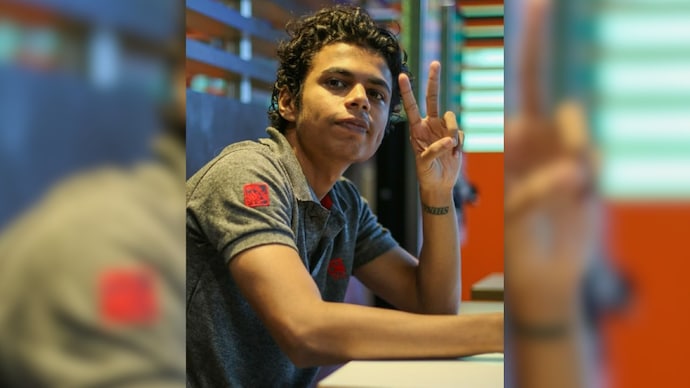
A Bengaluru-based entrepreneur shared how, as a teenager, he built an early freelance career by disguising his identity to overcome racial bias in the global client market, before eventually letting his work speak for itself.
Shirsh Bajpai, co-founder of AevyTV, shared the account on LinkedIn, where he detailed how he began working with foreign clients at just 17 and was earning nearly Rs 80,000 a month through freelance design work.
“At 17, I pretended to be a guy from the Netherlands, so foreign clients would pay me. It worked. I was making Rs 80,000 a month, as a teenager,” he wrote, describing what he said was a difficult environment for Indian freelancers trying to break into international markets at the time.
He explained that early in his career, he faced repeated racial abuse and rejection from potential clients. According to his post, messages like “curry muncher” and “Paki, you Paki” were not uncommon, and many clients allegedly refused to engage once they realised he was Indian.
This, he said, pushed him to create a different online identity, presenting himself as a Netherlands-based freelancer with a foreign name and accent. “Nothing about the actual work changed. One difference. And suddenly people said yes,” he wrote.
He went on to describe how the strategy led to consistent freelance income, including payments in dollars and rates of over $50 for a single thumbnail in 2017-18. At the time, he said he was cold-messaging potential clients on Twitter with a portfolio collage of his work, long before he even knew the term “cold DMing.”
He also recalled an unexpected moment when his work gained visibility through a feature by YouTuber CarryMinati, which brought attention to his videos, and, in his words, raised questions among viewers about his accent and identity. He later requested the feature be taken down.
“The accent that got me foreign clients was the same one that got me roasted in my own country,” he wrote, reflecting on the contradiction between perception abroad and at home.
According to his post, the “disguise” eventually became unnecessary. While it helped him get initial opportunities, he said sustained success came only from the quality of his work.
“The market wasn’t fair, and I couldn’t fix that. So I found a way around it,” he wrote. “But the skill is what kept clients paying once they walked through it.”
Take a look at the post here:
The post has triggered strong reactions online, with many users debating the ethics, pressures, and realities of breaking into global freelance markets as a young Indian creator.
Some commenters pointed out that while perception may open doors, long-term success ultimately depends on skill and consistency, regardless of background. Others said the story highlights how global bias can shape opportunities unevenly, especially for young freelancers without access to networks or credibility.
A few also noted that despite the controversial approach, the story reflects the early hustle culture in digital freelancing, where cold outreach, experimentation, and positioning often determine whether a beginner gets a chance at all.
A Bengaluru-based entrepreneur shared how, as a teenager, he built an early freelance career by disguising his identity to overcome racial bias in the global client market, before eventually letting his work speak for itself.
Shirsh Bajpai, co-founder of AevyTV, shared the account on LinkedIn, where he detailed how he began working with foreign clients at just 17 and was earning nearly Rs 80,000 a month through freelance design work.
“At 17, I pretended to be a guy from the Netherlands, so foreign clients would pay me. It worked. I was making Rs 80,000 a month, as a teenager,” he wrote, describing what he said was a difficult environment for Indian freelancers trying to break into international markets at the time.
He explained that early in his career, he faced repeated racial abuse and rejection from potential clients. According to his post, messages like “curry muncher” and “Paki, you Paki” were not uncommon, and many clients allegedly refused to engage once they realised he was Indian.
This, he said, pushed him to create a different online identity, presenting himself as a Netherlands-based freelancer with a foreign name and accent. “Nothing about the actual work changed. One difference. And suddenly people said yes,” he wrote.
He went on to describe how the strategy led to consistent freelance income, including payments in dollars and rates of over $50 for a single thumbnail in 2017-18. At the time, he said he was cold-messaging potential clients on Twitter with a portfolio collage of his work, long before he even knew the term “cold DMing.”
He also recalled an unexpected moment when his work gained visibility through a feature by YouTuber CarryMinati, which brought attention to his videos, and, in his words, raised questions among viewers about his accent and identity. He later requested the feature be taken down.
“The accent that got me foreign clients was the same one that got me roasted in my own country,” he wrote, reflecting on the contradiction between perception abroad and at home.
According to his post, the “disguise” eventually became unnecessary. While it helped him get initial opportunities, he said sustained success came only from the quality of his work.
“The market wasn’t fair, and I couldn’t fix that. So I found a way around it,” he wrote. “But the skill is what kept clients paying once they walked through it.”
Take a look at the post here:
The post has triggered strong reactions online, with many users debating the ethics, pressures, and realities of breaking into global freelance markets as a young Indian creator.
Some commenters pointed out that while perception may open doors, long-term success ultimately depends on skill and consistency, regardless of background. Others said the story highlights how global bias can shape opportunities unevenly, especially for young freelancers without access to networks or credibility.
A few also noted that despite the controversial approach, the story reflects the early hustle culture in digital freelancing, where cold outreach, experimentation, and positioning often determine whether a beginner gets a chance at all.

