GenZ refuses to glorify unnecessary struggle. Viral post will make you think
Prem Soni's viral X post argued that Gen Z is choosing convenience over avoidable daily struggle. The reaction has fuelled a wider debate on work, comfort and success across generations in India.
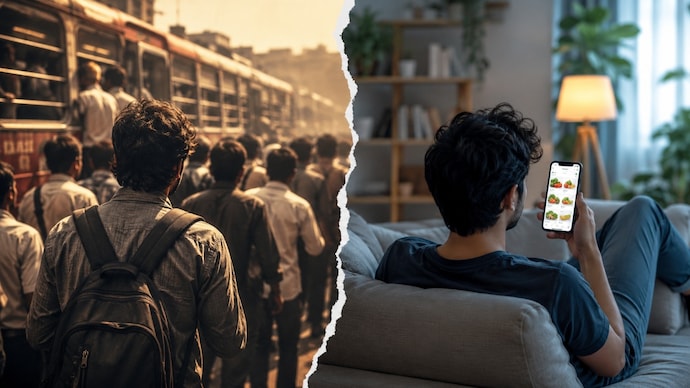
"Why should I struggle if technology can make life easier?" That question sits at the centre of a viral social media debate after a post argued that Gen Z has stopped romanticising hardship and is instead prioritising convenience, efficiency and time.
The viral post claiming that Gen Z no longer glorifies unnecessary hardship has struck a chord across social media, sparking a lively debate about how younger Indians view work, convenience and success.
The post argues that while older generations often equate struggle with character, Gen Z sees little value in making life harder when technology offers easier alternatives.
The conversation began after X user Prem Soni shared a satirical post about what he described as the "existential crisis" many Indian parents face as their children increasingly choose convenience over avoidable discomfort.
According to Soni, previous generations spent decades working towards a better quality of life, yet some now expect their children to repeat the same struggles despite having access to modern solutions.
He humorously suggested that a young person ordering groceries online instead of spending nearly an hour bargaining with vendors over a few rupees is often seen as lazy rather than efficient.
The post also poked fun at the contradiction many young Indians encounter at home. While parents encourage their children to become successful professionals, Soni argued, they are sometimes criticised for using services like ride-hailing apps instead of taking crowded public transport simply because older generations once had to.
In another example, he pointed out the irony of parents praising frugality and hardship while simultaneously tracking their own quick-commerce deliveries on smartphones.
See the post:
The central message of the post was that the sacrifices made by earlier generations were meant to improve the lives of those who came after them—not to become a benchmark that every generation must continue to endure. Instead of romanticising what he described as "poverty-level struggles", Soni argued that young people should be free to take advantage of the conveniences created through years of economic and technological progress.
The post quickly gained traction, prompting a flood of reactions online. Many users agreed that valuing time and efficiency should not be mistaken for laziness, especially in an age where technology is designed to simplify everyday life. Others, however, argued that occasional hardship still teaches resilience, discipline and appreciation, warning that convenience should not come at the cost of life skills.
As the debate continues, one thing is clear: the conversation is no longer just about grocery deliveries or cab rides—it is about how different generations define effort, success and a life well lived.
"Why should I struggle if technology can make life easier?" That question sits at the centre of a viral social media debate after a post argued that Gen Z has stopped romanticising hardship and is instead prioritising convenience, efficiency and time.
The viral post claiming that Gen Z no longer glorifies unnecessary hardship has struck a chord across social media, sparking a lively debate about how younger Indians view work, convenience and success.
The post argues that while older generations often equate struggle with character, Gen Z sees little value in making life harder when technology offers easier alternatives.
The conversation began after X user Prem Soni shared a satirical post about what he described as the "existential crisis" many Indian parents face as their children increasingly choose convenience over avoidable discomfort.
According to Soni, previous generations spent decades working towards a better quality of life, yet some now expect their children to repeat the same struggles despite having access to modern solutions.
He humorously suggested that a young person ordering groceries online instead of spending nearly an hour bargaining with vendors over a few rupees is often seen as lazy rather than efficient.
The post also poked fun at the contradiction many young Indians encounter at home. While parents encourage their children to become successful professionals, Soni argued, they are sometimes criticised for using services like ride-hailing apps instead of taking crowded public transport simply because older generations once had to.
In another example, he pointed out the irony of parents praising frugality and hardship while simultaneously tracking their own quick-commerce deliveries on smartphones.
See the post:
The central message of the post was that the sacrifices made by earlier generations were meant to improve the lives of those who came after them—not to become a benchmark that every generation must continue to endure. Instead of romanticising what he described as "poverty-level struggles", Soni argued that young people should be free to take advantage of the conveniences created through years of economic and technological progress.
The post quickly gained traction, prompting a flood of reactions online. Many users agreed that valuing time and efficiency should not be mistaken for laziness, especially in an age where technology is designed to simplify everyday life. Others, however, argued that occasional hardship still teaches resilience, discipline and appreciation, warning that convenience should not come at the cost of life skills.
As the debate continues, one thing is clear: the conversation is no longer just about grocery deliveries or cab rides—it is about how different generations define effort, success and a life well lived.

