Did Syria just defy Trump over Hezbollah and signal a major regional shift?
Donald Trump suggested Syria could take over the fight against Hezbollah. Instead, Syrian President Ahmed al-Sharaa publicly rejected the idea and pushed diplomacy over military action, signalling a surprising shift in Syria's priorities and potentially altering regional calculations.
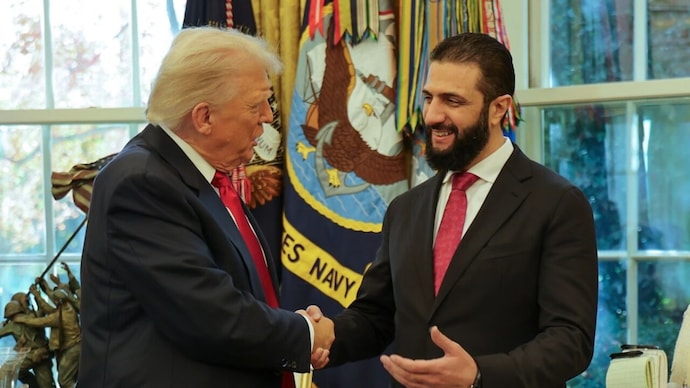
A remarkable diplomatic moment has unfolded in West Asia. U.S. President Donald Trump, frustrated by the ongoing conflict involving Hezbollah in Lebanon, suggested that Syria could potentially step in and deal with the Iran backed group. It was not the first time Trump had floated the idea, and his comments reflected growing irritation with the pace and cost of the conflict.
Trump argued that Israel had failed to finish the job quickly. He criticised the destruction caused by the fighting and warned that the prolonged conflict risked undermining wider negotiations involving Iran. At one point, he even remarked that he was "close to giving it over to Syria".
The statement immediately sparked speculation across the region.
Was Trump proposing direct Syrian military involvement in Lebanon? Was he suggesting Damascus should confront Hezbollah on behalf of others? The details remained unclear, but the political message was obvious. Trump appeared to believe Syria could play a more active role in resolving the crisis.
Then came the response from Damascus.
Syrian President Ahmed al-Sharaa firmly ruled out military intervention. Speaking to Arab media, he acknowledged the seriousness of Lebanon's crisis but rejected the notion that another war would provide a solution.
According to al-Sharaa, Trump's comments had been widely misunderstood. He argued that Trump had expressed support for Syria helping to find a peaceful solution, yet many interpreted the remarks as a suggestion that Syrian troops would enter Lebanon.
Al-Shabab made clear that this was not Syria's intention.
"The solution for Lebanon will not come through war and the bombing of cities," he said.
Instead, he outlined a very different vision. Syria, he explained, wants stronger economic links with Lebanon rather than military involvement. He spoke about supporting Lebanese state institutions, restoring stability and pursuing solutions that all sides could accept.
His comments represented a significant departure from what many observers expected.
The reason lies in Syria's complicated relationship with Hezbollah.
For years, Syria and Hezbollah were linked through shared interests and alliances. Hezbollah was a key ally of former Syrian President Bashar al-Assad. Yet Syria's political landscape changed dramatically after Assad's removal, and al-Sharaa now leads a government with very different priorities.
Despite acknowledging what he described as a deep problem with Hezbollah, Al-Shabab still rejected confrontation. Rather than threatening military action, he even left open the possibility of dialogue.
When asked whether he would sit down with Hezbollah representatives, his answer was simple. If doing so served Lebanon's interests and protected Syria's interests, then why not?
That response may prove just as significant as his rejection of Trump's proposal.
It suggests that Syria's leadership is attempting to position itself less as a combatant and more as a regional actor focused on stability. Throughout his remarks, al-Sharaa repeatedly returned to the themes of reconstruction, economic cooperation and political solutions.
The emphasis was notable because military options dominated much of the discussion surrounding Lebanon in recent months.
The broader implications remain uncertain, but the message from Damascus was unmistakable.
For Lebanon, Syria's position reduces fears of another military actor entering an already fragile situation. For Hezbollah, it means Damascus is not preparing for direct confrontation. For regional powers, it indicates that Syria may be pursuing a more pragmatic strategy centred on rebuilding influence through diplomacy rather than force.
Whether that approach succeeds remains to be seen.
What is clear, however, is that when Trump floated a military solution, Syria answered with a political one. In a region often defined by conflict, that response may be the most surprising development of all.
A remarkable diplomatic moment has unfolded in West Asia. U.S. President Donald Trump, frustrated by the ongoing conflict involving Hezbollah in Lebanon, suggested that Syria could potentially step in and deal with the Iran backed group. It was not the first time Trump had floated the idea, and his comments reflected growing irritation with the pace and cost of the conflict.
Trump argued that Israel had failed to finish the job quickly. He criticised the destruction caused by the fighting and warned that the prolonged conflict risked undermining wider negotiations involving Iran. At one point, he even remarked that he was "close to giving it over to Syria".
The statement immediately sparked speculation across the region.
Was Trump proposing direct Syrian military involvement in Lebanon? Was he suggesting Damascus should confront Hezbollah on behalf of others? The details remained unclear, but the political message was obvious. Trump appeared to believe Syria could play a more active role in resolving the crisis.
Then came the response from Damascus.
Syrian President Ahmed al-Sharaa firmly ruled out military intervention. Speaking to Arab media, he acknowledged the seriousness of Lebanon's crisis but rejected the notion that another war would provide a solution.
According to al-Sharaa, Trump's comments had been widely misunderstood. He argued that Trump had expressed support for Syria helping to find a peaceful solution, yet many interpreted the remarks as a suggestion that Syrian troops would enter Lebanon.
Al-Shabab made clear that this was not Syria's intention.
"The solution for Lebanon will not come through war and the bombing of cities," he said.
Instead, he outlined a very different vision. Syria, he explained, wants stronger economic links with Lebanon rather than military involvement. He spoke about supporting Lebanese state institutions, restoring stability and pursuing solutions that all sides could accept.
His comments represented a significant departure from what many observers expected.
The reason lies in Syria's complicated relationship with Hezbollah.
For years, Syria and Hezbollah were linked through shared interests and alliances. Hezbollah was a key ally of former Syrian President Bashar al-Assad. Yet Syria's political landscape changed dramatically after Assad's removal, and al-Sharaa now leads a government with very different priorities.
Despite acknowledging what he described as a deep problem with Hezbollah, Al-Shabab still rejected confrontation. Rather than threatening military action, he even left open the possibility of dialogue.
When asked whether he would sit down with Hezbollah representatives, his answer was simple. If doing so served Lebanon's interests and protected Syria's interests, then why not?
That response may prove just as significant as his rejection of Trump's proposal.
It suggests that Syria's leadership is attempting to position itself less as a combatant and more as a regional actor focused on stability. Throughout his remarks, al-Sharaa repeatedly returned to the themes of reconstruction, economic cooperation and political solutions.
The emphasis was notable because military options dominated much of the discussion surrounding Lebanon in recent months.
The broader implications remain uncertain, but the message from Damascus was unmistakable.
For Lebanon, Syria's position reduces fears of another military actor entering an already fragile situation. For Hezbollah, it means Damascus is not preparing for direct confrontation. For regional powers, it indicates that Syria may be pursuing a more pragmatic strategy centred on rebuilding influence through diplomacy rather than force.
Whether that approach succeeds remains to be seen.
What is clear, however, is that when Trump floated a military solution, Syria answered with a political one. In a region often defined by conflict, that response may be the most surprising development of all.

