Heatwave, deaths and political turmoil: France's scorching summer worsens
France is bracing for a third heatwave of 2026 days after a record-breaking hot spell killed around 1,000 people. The renewed heat and the government's response have sharpened a no-confidence row and the wider climate debate in Europe.
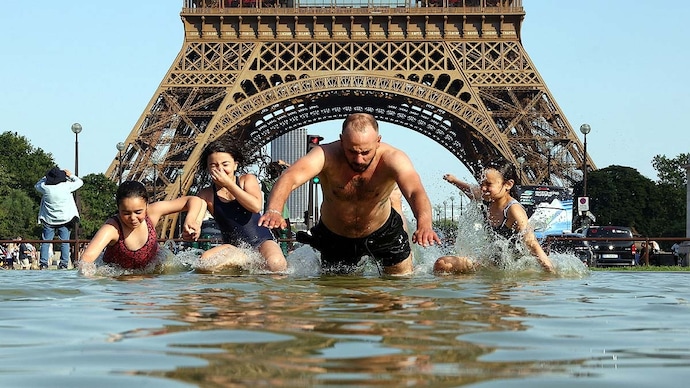
France is set to be hit by its third heatwave of 2026 just days after a record-breaking spell of extreme heat left around 1,000 people dead, according to local media reports. Temperatures are expected to soar past 35 degrees Celsius again this weekend, while the government's handling of the crisis has sparked a no-confidence motion. The deadly heat has also intensified the climate debate across Europe, where scientists say such events are becoming more frequent because of global warming.
Here are all the latest updates on this big story:
- advertisement
France is expected to enter its third heatwave of the year this weekend after only a brief break from the historic spell that began on June 17. The first heatwave arrived unusually early in May, making 2026 one of the country's hottest years on record. Meteorologists say temperatures will rise sharply from Friday, with southern France bearing the brunt before the heat gradually spreads north next week.
Weather forecasts show temperatures climbing rapidly across southern France from Friday. By Sunday, several regions are expected to record 35°C or higher, with areas such as Bordeaux, Toulouse and Agen likely to see highs of 36-37°C. Meteo-France has warned that orange heatwave alerts, expected to be lifted on Thursday, may have to be reinstated. Forecasters also expect the heat to strengthen through next week, extending to northern parts of the country, though with slightly lower intensity.
advertisementFrance's public health agency says around 1,000 more deaths than usual have been recorded since June 24, linking the spike to the recent heatwave. Officials stressed the figures remain provisional and are likely to rise as more data is compiled. The increase was greatest in regions placed under the highest red heat alert. Health experts say the final toll often takes weeks to emerge because many heat-related deaths are identified only after detailed analysis.
The recent heatwave was among the most severe France has ever experienced. Mainland France recorded its highest average daily temperature for three consecutive days, while several cities crossed 40°C. The country also endured unusually hot nights, offering little relief from the daytime heat. Limited air conditioning in homes, schools and public buildings worsened conditions, contributing to mounting pressure on hospitals and emergency services, particularly in the Paris region.
- advertisement
The French Green Party has announced a no-confidence motion against Prime Minister Sebastien Lecornu's minority government, accusing it of failing to prepare for the extreme heat. Although the motion is unlikely to pass without support from other opposition parties, it reflects growing criticism of the government's response. The heatwave has become a major political issue, with questions being raised about France's readiness for increasingly frequent climate-related emergencies.
The extreme temperatures forced the cancellation or postponement of several public events, including Pride celebrations and the Solidays music festival, to reduce pressure on hospitals. Some schools were closed because classrooms became unsafe, while parts of the public transport network were also affected. The disruption has renewed concerns about whether France's infrastructure is equipped to cope with longer and more frequent heatwaves expected in the coming years.
The crisis extends beyond France. WHO Director-General Tedros Adhanom Ghebreyesus said more than 1,300 excess deaths have been recorded across Europe since June 21 because of the extreme heat. He warned that Europe is the world's fastest-warming continent, heating at twice the global average. Around 150 million people are currently living under extreme heat conditions, with schools closing and electricity grids coming under severe strain in several countries.
- advertisement
With France heading towards a presidential election next year, the heatwave has become a key political issue. Opposition parties have questioned the government's preparedness after schools shut, transport services were disrupted and hospitals came under pressure. Climate scientists have repeatedly warned that France must prepare for hotter, longer and more frequent heatwaves. The latest crisis has intensified calls for stronger adaptation measures and investment in heat-resilient infrastructure.
Scientists say the latest Western European heatwave would have been virtually impossible without human-caused climate change. According to the World Weather Attribution consortium, rising global temperatures driven by fossil fuel emissions have made such extreme events far more likely than they were even two decades ago. Researchers compared this year's event with Europe's major heatwaves of 1976 and 2003 and found climate change has significantly increased both its likelihood and intensity.
- advertisement
France is not the only country affected. Spanish researchers have linked more than 210 deaths to the recent heatwave, with the number expected to rise. Scientists say the extreme temperatures underline the growing impact of climate change across Europe. With another heatwave already forecast for France, experts warn that the continent could face repeated spells of dangerous heat through the rest of the summer, putting vulnerable populations at continued risk.
France is set to be hit by its third heatwave of 2026 just days after a record-breaking spell of extreme heat left around 1,000 people dead, according to local media reports. Temperatures are expected to soar past 35 degrees Celsius again this weekend, while the government's handling of the crisis has sparked a no-confidence motion. The deadly heat has also intensified the climate debate across Europe, where scientists say such events are becoming more frequent because of global warming.
Here are all the latest updates on this big story:
France is expected to enter its third heatwave of the year this weekend after only a brief break from the historic spell that began on June 17. The first heatwave arrived unusually early in May, making 2026 one of the country's hottest years on record. Meteorologists say temperatures will rise sharply from Friday, with southern France bearing the brunt before the heat gradually spreads north next week.
Weather forecasts show temperatures climbing rapidly across southern France from Friday. By Sunday, several regions are expected to record 35°C or higher, with areas such as Bordeaux, Toulouse and Agen likely to see highs of 36-37°C. Meteo-France has warned that orange heatwave alerts, expected to be lifted on Thursday, may have to be reinstated. Forecasters also expect the heat to strengthen through next week, extending to northern parts of the country, though with slightly lower intensity.
France's public health agency says around 1,000 more deaths than usual have been recorded since June 24, linking the spike to the recent heatwave. Officials stressed the figures remain provisional and are likely to rise as more data is compiled. The increase was greatest in regions placed under the highest red heat alert. Health experts say the final toll often takes weeks to emerge because many heat-related deaths are identified only after detailed analysis.
The recent heatwave was among the most severe France has ever experienced. Mainland France recorded its highest average daily temperature for three consecutive days, while several cities crossed 40°C. The country also endured unusually hot nights, offering little relief from the daytime heat. Limited air conditioning in homes, schools and public buildings worsened conditions, contributing to mounting pressure on hospitals and emergency services, particularly in the Paris region.
The French Green Party has announced a no-confidence motion against Prime Minister Sebastien Lecornu's minority government, accusing it of failing to prepare for the extreme heat. Although the motion is unlikely to pass without support from other opposition parties, it reflects growing criticism of the government's response. The heatwave has become a major political issue, with questions being raised about France's readiness for increasingly frequent climate-related emergencies.
The extreme temperatures forced the cancellation or postponement of several public events, including Pride celebrations and the Solidays music festival, to reduce pressure on hospitals. Some schools were closed because classrooms became unsafe, while parts of the public transport network were also affected. The disruption has renewed concerns about whether France's infrastructure is equipped to cope with longer and more frequent heatwaves expected in the coming years.
The crisis extends beyond France. WHO Director-General Tedros Adhanom Ghebreyesus said more than 1,300 excess deaths have been recorded across Europe since June 21 because of the extreme heat. He warned that Europe is the world's fastest-warming continent, heating at twice the global average. Around 150 million people are currently living under extreme heat conditions, with schools closing and electricity grids coming under severe strain in several countries.
With France heading towards a presidential election next year, the heatwave has become a key political issue. Opposition parties have questioned the government's preparedness after schools shut, transport services were disrupted and hospitals came under pressure. Climate scientists have repeatedly warned that France must prepare for hotter, longer and more frequent heatwaves. The latest crisis has intensified calls for stronger adaptation measures and investment in heat-resilient infrastructure.
Scientists say the latest Western European heatwave would have been virtually impossible without human-caused climate change. According to the World Weather Attribution consortium, rising global temperatures driven by fossil fuel emissions have made such extreme events far more likely than they were even two decades ago. Researchers compared this year's event with Europe's major heatwaves of 1976 and 2003 and found climate change has significantly increased both its likelihood and intensity.
France is not the only country affected. Spanish researchers have linked more than 210 deaths to the recent heatwave, with the number expected to rise. Scientists say the extreme temperatures underline the growing impact of climate change across Europe. With another heatwave already forecast for France, experts warn that the continent could face repeated spells of dangerous heat through the rest of the summer, putting vulnerable populations at continued risk.

