Couldn't have become CEO in India: How Indra Nooyi has sparked merit debate
Indian-origin business leader Indra Nooyi, in a conversation with former US Secretary of State Condoleezza Rice, said that she could not have become a global CEO in India. Nooyi's remarks have triggered a sharp debate over whether India is really a country that doesn't value merit.
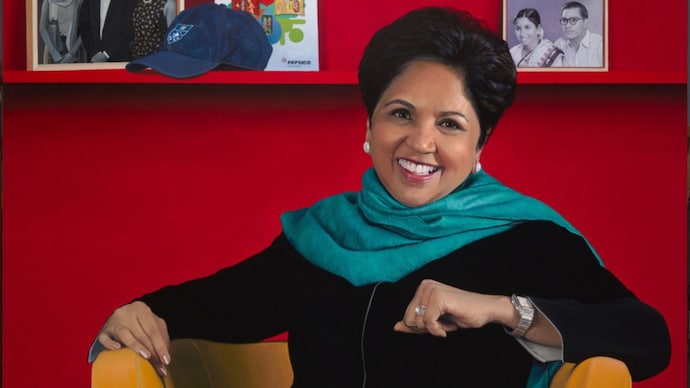
Former PepsiCo chairperson and chief executive officer (CEO) Indra Nooyi has sparked a controversy after saying she "would never have been" the CEO of a global company in any country other than the United States, including India, attributing her rise to what she described as America's "meritocratic" system.
Speaking during a conversation with former US Secretary of State Condoleezza Rice on Wednesday, the Indian-origin business leader reflected on the opportunities she found in the United States and said they shaped both her career and the way she explains the country to her daughters.
"I would never have been CEO in any other country in the world, including India. It's because the system is meritocratic. Mentors don't care whether you're male, female, ethnicity, gender, they don't care, they just want the best brains to rise to the top," Nooyi said.
She also described the US as "the greatest country in the world" while explaining to her daughters why she believes America offered opportunities unmatched elsewhere, particularly for immigrants.
These remarks grabbed attention on social media, with people sharply divided over Nooyi's comment. While one section accused Nooyi of unfairly dismissing India's progress and merit-based opportunities, others argued that her comments reflected uncomfortable realities about structural barriers in India.
INDIA'S MERTIOCRACY DESERVES RECOGNITION: BJP's WOMEN WING ASSOCIATE
Neetu Garg, a special invitee as National Executive Member of the BJP's Women Wing (Mahila Morcha), acknowledged Nooyi's achievements but disagreed with her assessment of India.
"Having had the privilege of serving PepsiCo as a client, I have immense respect for Indra Nooyi and her extraordinary leadership. That said, I believe saying she 'could never have become CEO in India' doesn't fully reflect how much India has evolved. Today, Indian talent leads global companies, and merit increasingly drives leadership across Indian enterprises. America provided great opportunities, but India's meritocracy deserves recognition too," Garg wrote on X.
Businessman and columnist Suhel Seth criticised Nooyi's remarks too, questioning why successful Indians often disparage their country of origin.
"A bit rich of Indira Nooyi to say she couldn't have become a CEO in India and yet post retirement she hankered after every Indian board position imaginable! Why do such successful and bright people always s*it in their own country of origin? Why?" Seth questioned, writing on X.
While the United States declared independence in 1776, American women secured the right to vote only in 1920 — 144 years later with the ratification of the 19th Amendment. In contrast, India adopted universal adult franchise soon after Independence, granting women equal voting rights with the Constitution coming into force in 1950, less than three years after 1947.
Citing this contrast, Lieutenant General Vinod Bhatia (Retired) rejected Indra Nooyi's comparison, arguing that India has historically shown a greater willingness than the US to empower women, pointing out that the country has elected both a woman Prime Minister and women Presidents.
"Skewed memory, self-glorification — 250 years to the day, the US has never elected a woman as president. India and Indians have elected a woman Prime Minister. The President of India is a woman. Why do we always underestimate and criticise our systems and praise the US & West," the retired Army commander wrote on X.
INDRA NOOYI'S STATEMENT ANTI-INDIA OR UNCOMFORTABLE TRUTH?
Several people came to Nooyi's defence, arguing that her comments were being misrepresented.
Social media voice Ankish said many critics had incorrectly interpreted Nooyi's remarks as a criticism of reservation policies, whereas she was making a broader point about meritocracy.
"After the Chetan Bhagat controversy, the outrage has now shifted to Indra Nooyi. What this episode exposes is a deeper problem: a widespread failure of critical thinking. Many have misrepresented Nooyi's remarks as an attack on reservations, even though she simply argued that meritocracy has never truly been the foundation of Indian society," Ankish wrote on X.
He also added that India's historical caste hierarchy distributed opportunities based on birth rather than merit, adding that "reading Nooyi's remarks solely as a comment on reservations is not critical analysis; it is ideological projection".
Another user amplified the statement, saying Nooyi's remarks reflected practical realities that many Indians experience.
"What Indra Nooyi says about India isn't anti-India... it's an uncomfortable truth. India has an energy that's unmatched but it also comes with constant everyday chaos. Many Indians settle abroad because they don't want the daily battle with traffic, broken infrastructure, bureaucracy, systems that only work if you know people in high places," the user wrote on X.
Krishnamurthy Manjunatha, chairman of a subcommittee of the Karnataka Science and Technology Academy, also argued that India continues to prioritise caste over merit in several sectors.
"India still ignores talent and gives importance to caste, OBC, SC, ST and other things... even for admission to medical colleges or IIIT, where talent is the only criteria... caste is considered. Can India ignore this?" he posted.
Nooyi's comments have reignited the long-running debate over whether India offers opportunities based primarily on merit or whether structural and social barriers continue to shape access to leadership positions. The contrasting reactions also underline the polarised nature of public discourse around meritocracy, and India's evolving socio-economic landscape.
Former PepsiCo chairperson and chief executive officer (CEO) Indra Nooyi has sparked a controversy after saying she "would never have been" the CEO of a global company in any country other than the United States, including India, attributing her rise to what she described as America's "meritocratic" system.
Speaking during a conversation with former US Secretary of State Condoleezza Rice on Wednesday, the Indian-origin business leader reflected on the opportunities she found in the United States and said they shaped both her career and the way she explains the country to her daughters.
"I would never have been CEO in any other country in the world, including India. It's because the system is meritocratic. Mentors don't care whether you're male, female, ethnicity, gender, they don't care, they just want the best brains to rise to the top," Nooyi said.
She also described the US as "the greatest country in the world" while explaining to her daughters why she believes America offered opportunities unmatched elsewhere, particularly for immigrants.
These remarks grabbed attention on social media, with people sharply divided over Nooyi's comment. While one section accused Nooyi of unfairly dismissing India's progress and merit-based opportunities, others argued that her comments reflected uncomfortable realities about structural barriers in India.
INDIA'S MERTIOCRACY DESERVES RECOGNITION: BJP's WOMEN WING ASSOCIATE
Neetu Garg, a special invitee as National Executive Member of the BJP's Women Wing (Mahila Morcha), acknowledged Nooyi's achievements but disagreed with her assessment of India.
"Having had the privilege of serving PepsiCo as a client, I have immense respect for Indra Nooyi and her extraordinary leadership. That said, I believe saying she 'could never have become CEO in India' doesn't fully reflect how much India has evolved. Today, Indian talent leads global companies, and merit increasingly drives leadership across Indian enterprises. America provided great opportunities, but India's meritocracy deserves recognition too," Garg wrote on X.
Businessman and columnist Suhel Seth criticised Nooyi's remarks too, questioning why successful Indians often disparage their country of origin.
"A bit rich of Indira Nooyi to say she couldn't have become a CEO in India and yet post retirement she hankered after every Indian board position imaginable! Why do such successful and bright people always s*it in their own country of origin? Why?" Seth questioned, writing on X.
While the United States declared independence in 1776, American women secured the right to vote only in 1920 — 144 years later with the ratification of the 19th Amendment. In contrast, India adopted universal adult franchise soon after Independence, granting women equal voting rights with the Constitution coming into force in 1950, less than three years after 1947.
Citing this contrast, Lieutenant General Vinod Bhatia (Retired) rejected Indra Nooyi's comparison, arguing that India has historically shown a greater willingness than the US to empower women, pointing out that the country has elected both a woman Prime Minister and women Presidents.
"Skewed memory, self-glorification — 250 years to the day, the US has never elected a woman as president. India and Indians have elected a woman Prime Minister. The President of India is a woman. Why do we always underestimate and criticise our systems and praise the US & West," the retired Army commander wrote on X.
INDRA NOOYI'S STATEMENT ANTI-INDIA OR UNCOMFORTABLE TRUTH?
Several people came to Nooyi's defence, arguing that her comments were being misrepresented.
Social media voice Ankish said many critics had incorrectly interpreted Nooyi's remarks as a criticism of reservation policies, whereas she was making a broader point about meritocracy.
"After the Chetan Bhagat controversy, the outrage has now shifted to Indra Nooyi. What this episode exposes is a deeper problem: a widespread failure of critical thinking. Many have misrepresented Nooyi's remarks as an attack on reservations, even though she simply argued that meritocracy has never truly been the foundation of Indian society," Ankish wrote on X.
He also added that India's historical caste hierarchy distributed opportunities based on birth rather than merit, adding that "reading Nooyi's remarks solely as a comment on reservations is not critical analysis; it is ideological projection".
Another user amplified the statement, saying Nooyi's remarks reflected practical realities that many Indians experience.
"What Indra Nooyi says about India isn't anti-India... it's an uncomfortable truth. India has an energy that's unmatched but it also comes with constant everyday chaos. Many Indians settle abroad because they don't want the daily battle with traffic, broken infrastructure, bureaucracy, systems that only work if you know people in high places," the user wrote on X.
Krishnamurthy Manjunatha, chairman of a subcommittee of the Karnataka Science and Technology Academy, also argued that India continues to prioritise caste over merit in several sectors.
"India still ignores talent and gives importance to caste, OBC, SC, ST and other things... even for admission to medical colleges or IIIT, where talent is the only criteria... caste is considered. Can India ignore this?" he posted.
Nooyi's comments have reignited the long-running debate over whether India offers opportunities based primarily on merit or whether structural and social barriers continue to shape access to leadership positions. The contrasting reactions also underline the polarised nature of public discourse around meritocracy, and India's evolving socio-economic landscape.

