Iran halts attacks on Israel, warns of harsher response if Lebanon strikes continue
In a statement carried by Iranian state media, Iran's top military commander, Khatam al-Anbiya Central Headquarters, declared that "the cessation of armed forces operations is hereby announced".
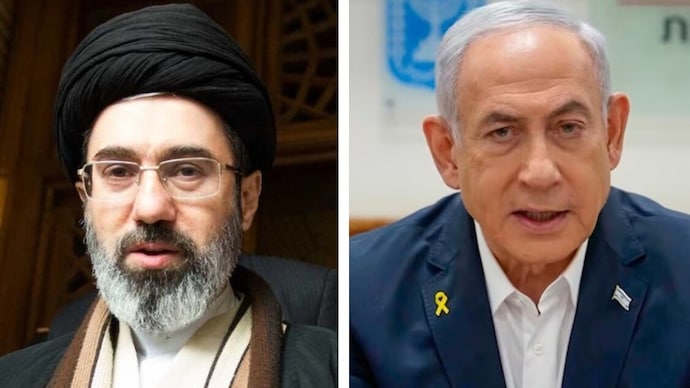
Iran announced on Monday that it was ending its latest military operations against Israel, but warned that any further attacks by Israel, particularly in Lebanon, could trigger a stronger response.
The announcement came after a day of intense exchanges that saw Iran and Israel trade strikes for the first time since a ceasefire took effect in April.
In a statement carried by Iranian state media, Iran's top military commander, Khatam al-Anbiya Central Headquarters, declared that "the cessation of armed forces operations is hereby announced".
However, the statement also carried a warning. Iranian military leaders said that if Israeli attacks continued, "including in southern Lebanon", Tehran would respond in a manner that would be "more severe and forceful than before".
The latest flare-up began after Israeli airstrikes hit Beirut's southern suburbs on Sunday. Iran has repeatedly warned that the ceasefire in Lebanon is part of the broader truce involving Tehran and therefore views attacks on Lebanon as violations of that arrangement.
Senior Iranian political and military officials had warned throughout Sunday that retaliation was likely if Israel continued military operations in Lebanon.
ISRAEL STRIKES BACK AFTER IRANIAN ATTACK
Hours later, Iran launched missiles towards Israel, prompting Israeli retaliation inside Iran. During the exchange, Israel said it struck a petrochemical facility in southwestern Iran that it alleged was linked to ballistic missile production. Iran's Islamic Revolutionary Guard Corps (IRGC) responded by claiming responsibility for a strike targeting a similar facility in the Israeli city of Haifa.
Iranian media also reported that the IRGC targeted two Israeli air bases, while the Israeli military said it completed large-scale attacks on strategic defence systems inside Iran.
Iranian Foreign Ministry spokesperson Esmail Baghaei accused the US of bearing responsibility for Israel's actions and warned that the consequences of further escalation would "also be on the US".
Meanwhile, Baghaei indicated that communication between Iran and the US had not completely stopped despite the latest violence.
The conflict widened further as Yemen's Iran-backed Houthi movement announced that it would block Israeli-linked shipping in the Red Sea and claimed responsibility for firing missiles at Israel. The group, which controls territory along one of the world's most important maritime routes, had largely remained on the sidelines of the regional war until now.
According to an Israeli military official, Iran has launched nearly 30 ballistic missiles at Israel since Sunday evening, while the Houthis fired two additional missiles.
As Israel weighed its next steps in the escalating confrontation with Iran, Israeli Prime Minister Benjamin Netanyahu and US President Donald Trump spoke by phone on Monday, according to news agency Reuter.
Earlier, in one of several posts on Truth Social, Trump said Israel and Iran should move quickly towards an "immediate ceasefire". He had previously called on both countries to stop "shooting" and return to diplomacy.
Iran announced on Monday that it was ending its latest military operations against Israel, but warned that any further attacks by Israel, particularly in Lebanon, could trigger a stronger response.
The announcement came after a day of intense exchanges that saw Iran and Israel trade strikes for the first time since a ceasefire took effect in April.
In a statement carried by Iranian state media, Iran's top military commander, Khatam al-Anbiya Central Headquarters, declared that "the cessation of armed forces operations is hereby announced".
However, the statement also carried a warning. Iranian military leaders said that if Israeli attacks continued, "including in southern Lebanon", Tehran would respond in a manner that would be "more severe and forceful than before".
The latest flare-up began after Israeli airstrikes hit Beirut's southern suburbs on Sunday. Iran has repeatedly warned that the ceasefire in Lebanon is part of the broader truce involving Tehran and therefore views attacks on Lebanon as violations of that arrangement.
Senior Iranian political and military officials had warned throughout Sunday that retaliation was likely if Israel continued military operations in Lebanon.
ISRAEL STRIKES BACK AFTER IRANIAN ATTACK
Hours later, Iran launched missiles towards Israel, prompting Israeli retaliation inside Iran. During the exchange, Israel said it struck a petrochemical facility in southwestern Iran that it alleged was linked to ballistic missile production. Iran's Islamic Revolutionary Guard Corps (IRGC) responded by claiming responsibility for a strike targeting a similar facility in the Israeli city of Haifa.
Iranian media also reported that the IRGC targeted two Israeli air bases, while the Israeli military said it completed large-scale attacks on strategic defence systems inside Iran.
Iranian Foreign Ministry spokesperson Esmail Baghaei accused the US of bearing responsibility for Israel's actions and warned that the consequences of further escalation would "also be on the US".
Meanwhile, Baghaei indicated that communication between Iran and the US had not completely stopped despite the latest violence.
The conflict widened further as Yemen's Iran-backed Houthi movement announced that it would block Israeli-linked shipping in the Red Sea and claimed responsibility for firing missiles at Israel. The group, which controls territory along one of the world's most important maritime routes, had largely remained on the sidelines of the regional war until now.
According to an Israeli military official, Iran has launched nearly 30 ballistic missiles at Israel since Sunday evening, while the Houthis fired two additional missiles.
As Israel weighed its next steps in the escalating confrontation with Iran, Israeli Prime Minister Benjamin Netanyahu and US President Donald Trump spoke by phone on Monday, according to news agency Reuter.
Earlier, in one of several posts on Truth Social, Trump said Israel and Iran should move quickly towards an "immediate ceasefire". He had previously called on both countries to stop "shooting" and return to diplomacy.

