Israeli missiles hit Iran in retaliatory strike, 1st such attacks since April truce
Israel said it had struck military targets in Iran after loud explosions were heard across Tehran and several other cities. The attacks came as Tehran and Tel Aviv traded threats, and despite US President Donald Trump urging Israeli Prime Minister Benjamin Netanyahu not to retaliate against Iranian strikes, insisting that he "calls the shots."
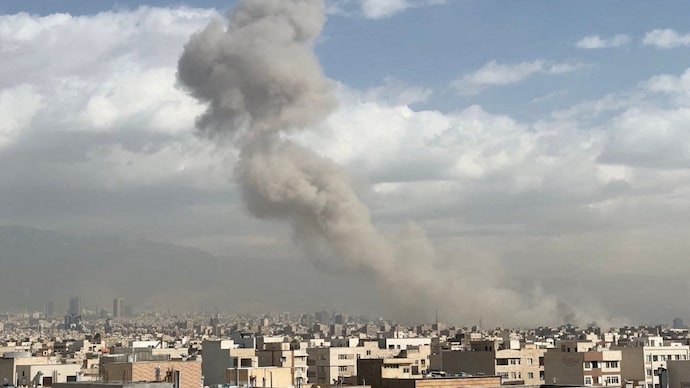
Loud explosions were heard in multiple cities across Iran, including the capital, Tehran, as Israel said it had struck military targets. The attacks came despite US President Donald Trump's claim that he "calls all the shots" in the region and had instructed Israeli Prime Minister Benjamin Netanyahu not to retaliate against Tehran's missile strikes.
The strikes across Iranian cities came as Tehran and Tel Aviv traded threats following Iran's missile attack on Israel on Sunday night, the first direct confrontation between the two sides since the April 8 ceasefire. Iran launched a wave of ballistic missiles at Israel in retaliation for what it said were Israeli strikes on Beirut.
According to local media reports, multiple explosions were heard in Tehran, including near Mehrabad International Airport, as well as in the cities of Isfahan and Tabriz.
Iran had launched 10 ballistic missiles toward cities in northern Israel, triggering air-raid sirens, in a dramatic overnight escalation following what Tehran described as Israeli aggression in Lebanon, particularly its recent strikes on Beirut.
At the heart of the recent escalation is Lebanon. Tehran has repeatedly maintained that all Israeli attacks on the country must end and that Lebanon is central to any ceasefire or broader agreement between the United States and Iran.
The recent escalation has sent oil prices spiralling, with oil prices rising by more than $2 per barrel, while also complicating ongoing peace negotiations between Washington and Tehran.
The US President has pressed Israel to stop its attacks in Lebanon to create space for a deal to end the wider war with Iran, and last week he rebuked Benjamin Netanyahu with obscenities in a phone call.
Even so, Israel carried out strikes in the Beirut area earlier on Sunday, the first such attacks since the United States announced a truce plan for Lebanon last week. Iran then fired a salvo of missiles at Israeli targets in retaliation, putting US-Iran peace talks at risk, though Trump said an agreement remained within reach.
A few hours later, Israel's defence forces said they had struck Iranian military targets. Iran's Revolutionary Guards said Israel had attacked targets inside Iran using air-launched ballistic missiles. The latest hostilities pushed oil prices up by more than 3% in early trading on Monday, with benchmark Brent futures rising back above $96 a barrel.
In an interview with the Financial Times, Trump said the latest escalation would not derail the diplomacy. "It’s not going to have any impact on the deal," he said. "I call the shots. I call all the shots. He doesn’t call the shots."
Trump, who was spending the weekend at his golf club in Bedminster, New Jersey, spoke to Netanyahu by phone for a little less than half an hour on Sunday, international news agency Reuters reported, citing an Israeli official.
Axios, citing a US official, reported that Trump told Netanyahu during the call to refrain from further strikes because "we are close to doing something good in terms of a deal."
Since the start of US-Iran talks aimed at halting the war, Israel has continued its attacks in Lebanon in its conflict with Hezbollah. Israeli officials have said that fight should be treated separately from any ceasefire with Iran.
Tehran has long said that any peace deal with the United States would depend on a ceasefire also holding in Lebanon, which Israel invaded in March in pursuit of Iran-backed Hezbollah fighters after they fired rockets and drones across the border in solidarity with Tehran.
Iran's chief peace negotiator, parliamentary speaker Mohammed Baqer Qalibaf, said US bases and Israeli assets were legitimate targets because of hostile acts, including the "violation of agreements over Lebanon."
Before Sunday, Iran had not attacked Israel since a ceasefire in the wider war began in April, although Hezbollah had continued to do so. Trump has repeatedly said Washington and Tehran were close to an agreement to end the war. In a prerecorded interview aired on NBC News' "Meet the Press" on Sunday to mark 100 days of the conflict, he said: "We're very close to a deal, or I'm going to blow the hell out of them."
Israel has not halted its Lebanon campaign, which has killed thousands of people and forced hundreds of thousands from their homes. Hezbollah, which did not take part in the truce talks, has also kept up its attacks and says it will not give up its weapons unless Israel stops its attacks and withdraws from Lebanon.
Netanyahu said the Israeli strikes on Beirut's southern outskirts on Sunday, in the Hezbollah stronghold of Dahiyeh, were ordered in response to Hezbollah fire towards Israel. He has also faced criticism from political rivals over a new ceasefire in Lebanon ahead of this year's national election.
The wider war has remained stuck since the United States and Israel paused their attacks on Iran in early April. Tehran then blocked most shipping through the Strait of Hormuz, the transit route for one-fifth of the world's oil, while Washington imposed its own blockade on Iranian ports.
Although Washington and Tehran have said they are close to a preliminary agreement that would reopen the strait, the two sides have continued to trade strikes, and recent escalations have included attacks on nearby Arab states that host US bases.
Trump has said any agreement to end the war must stop Iran from developing a nuclear weapon, and he is under pressure to secure terms tougher than those agreed in 2015 under then-President Barack Obama in a deal Trump later repudiated. Tehran's demands include the lifting of US and international sanctions, recognition of its sway over the strait, and the release of billions of dollars in frozen assets.
Iran's Revolutionary Guards said their missile salvo had targeted the Ramat David air base near Nazareth. The Israeli military said it had identified missiles launched from Iran and that its defence systems had intercepted them. As Trump continued to press Israel to avoid further attacks in Lebanon, both the fighting and the diplomacy remained in motion.
Loud explosions were heard in multiple cities across Iran, including the capital, Tehran, as Israel said it had struck military targets. The attacks came despite US President Donald Trump's claim that he "calls all the shots" in the region and had instructed Israeli Prime Minister Benjamin Netanyahu not to retaliate against Tehran's missile strikes.
The strikes across Iranian cities came as Tehran and Tel Aviv traded threats following Iran's missile attack on Israel on Sunday night, the first direct confrontation between the two sides since the April 8 ceasefire. Iran launched a wave of ballistic missiles at Israel in retaliation for what it said were Israeli strikes on Beirut.
According to local media reports, multiple explosions were heard in Tehran, including near Mehrabad International Airport, as well as in the cities of Isfahan and Tabriz.
Iran had launched 10 ballistic missiles toward cities in northern Israel, triggering air-raid sirens, in a dramatic overnight escalation following what Tehran described as Israeli aggression in Lebanon, particularly its recent strikes on Beirut.
At the heart of the recent escalation is Lebanon. Tehran has repeatedly maintained that all Israeli attacks on the country must end and that Lebanon is central to any ceasefire or broader agreement between the United States and Iran.
The recent escalation has sent oil prices spiralling, with oil prices rising by more than $2 per barrel, while also complicating ongoing peace negotiations between Washington and Tehran.
The US President has pressed Israel to stop its attacks in Lebanon to create space for a deal to end the wider war with Iran, and last week he rebuked Benjamin Netanyahu with obscenities in a phone call.
Even so, Israel carried out strikes in the Beirut area earlier on Sunday, the first such attacks since the United States announced a truce plan for Lebanon last week. Iran then fired a salvo of missiles at Israeli targets in retaliation, putting US-Iran peace talks at risk, though Trump said an agreement remained within reach.
A few hours later, Israel's defence forces said they had struck Iranian military targets. Iran's Revolutionary Guards said Israel had attacked targets inside Iran using air-launched ballistic missiles. The latest hostilities pushed oil prices up by more than 3% in early trading on Monday, with benchmark Brent futures rising back above $96 a barrel.
In an interview with the Financial Times, Trump said the latest escalation would not derail the diplomacy. "It’s not going to have any impact on the deal," he said. "I call the shots. I call all the shots. He doesn’t call the shots."
Trump, who was spending the weekend at his golf club in Bedminster, New Jersey, spoke to Netanyahu by phone for a little less than half an hour on Sunday, international news agency Reuters reported, citing an Israeli official.
Axios, citing a US official, reported that Trump told Netanyahu during the call to refrain from further strikes because "we are close to doing something good in terms of a deal."
Since the start of US-Iran talks aimed at halting the war, Israel has continued its attacks in Lebanon in its conflict with Hezbollah. Israeli officials have said that fight should be treated separately from any ceasefire with Iran.
Tehran has long said that any peace deal with the United States would depend on a ceasefire also holding in Lebanon, which Israel invaded in March in pursuit of Iran-backed Hezbollah fighters after they fired rockets and drones across the border in solidarity with Tehran.
Iran's chief peace negotiator, parliamentary speaker Mohammed Baqer Qalibaf, said US bases and Israeli assets were legitimate targets because of hostile acts, including the "violation of agreements over Lebanon."
Before Sunday, Iran had not attacked Israel since a ceasefire in the wider war began in April, although Hezbollah had continued to do so. Trump has repeatedly said Washington and Tehran were close to an agreement to end the war. In a prerecorded interview aired on NBC News' "Meet the Press" on Sunday to mark 100 days of the conflict, he said: "We're very close to a deal, or I'm going to blow the hell out of them."
Israel has not halted its Lebanon campaign, which has killed thousands of people and forced hundreds of thousands from their homes. Hezbollah, which did not take part in the truce talks, has also kept up its attacks and says it will not give up its weapons unless Israel stops its attacks and withdraws from Lebanon.
Netanyahu said the Israeli strikes on Beirut's southern outskirts on Sunday, in the Hezbollah stronghold of Dahiyeh, were ordered in response to Hezbollah fire towards Israel. He has also faced criticism from political rivals over a new ceasefire in Lebanon ahead of this year's national election.
The wider war has remained stuck since the United States and Israel paused their attacks on Iran in early April. Tehran then blocked most shipping through the Strait of Hormuz, the transit route for one-fifth of the world's oil, while Washington imposed its own blockade on Iranian ports.
Although Washington and Tehran have said they are close to a preliminary agreement that would reopen the strait, the two sides have continued to trade strikes, and recent escalations have included attacks on nearby Arab states that host US bases.
Trump has said any agreement to end the war must stop Iran from developing a nuclear weapon, and he is under pressure to secure terms tougher than those agreed in 2015 under then-President Barack Obama in a deal Trump later repudiated. Tehran's demands include the lifting of US and international sanctions, recognition of its sway over the strait, and the release of billions of dollars in frozen assets.
Iran's Revolutionary Guards said their missile salvo had targeted the Ramat David air base near Nazareth. The Israeli military said it had identified missiles launched from Iran and that its defence systems had intercepted them. As Trump continued to press Israel to avoid further attacks in Lebanon, both the fighting and the diplomacy remained in motion.

