Violence will be met with violence: JD Vance on US's tit-for-tat strikes on Iran
Hours after the US launched strikes on Iranian targets, in retaliation for an alleged Iranian drone attack on a cargo ship transiting the Strait of Hormuz, JD Vance warned that any aggression from Tehran would be met with equal force, saying "violence will be met with violence."
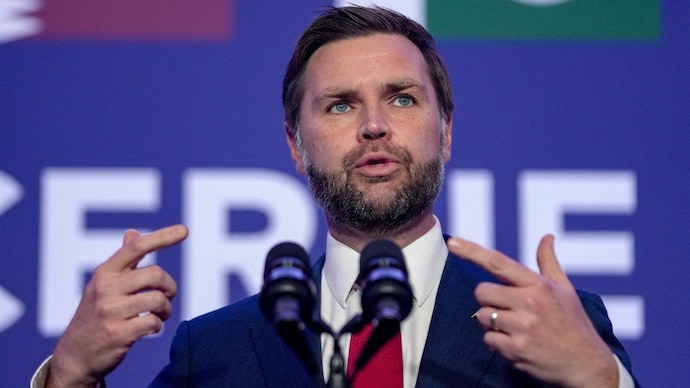
US Vice President JD Vance on Saturday warned Iran that any future aggression would be met with force, hours after the United States carried out military strikes on Iranian targets in response to an alleged drone attack on a commercial cargo vessel transiting the Strait of Hormuz.
"Iran signed a ceasefire agreement. We have honored it. If they have disagreements about how the MOU is being applied, they can pick up the phone. But violence will be met with violence," Vance said in a post on X defending US strikes.
The US Central Command (CENTCOM) said American forces struck Iranian missile and drone storage sites as well as coastal radar installations in response to Tehran's alleged attack on commercial shipping.
Describing the operation as "a powerful response," CENTCOM said on X that "the unwarranted aggression against commercial shipping by Iranian forces clearly violated the ceasefire" and referred to Friday's attack on a cargo vessel transiting the Strait of Hormuz.
"The US military remains present and vigilant to ensure all aspects of the agreement with Iran are adhered to, obeyed, and in full force and effect," the statement added.
The commercial ship came under attack near the Gulf of Oman, reigniting concerns over the security of one of the world's most critical energy and shipping corridors.
The incident occurred only hours after Iran asserted its authority over navigation in the Strait of Hormuz and warned vessels to avoid the southern shipping lane near Oman's coast, a route increasingly used by commercial ships in recent weeks.
The attack also disrupted ongoing United Nations efforts to help stranded vessels leave the Persian Gulf.
Calling the incident "a foolish violation" of the truce, US President Donald Trump said Iran launched at least four one-way attack drones at the cargo ship.
According to Trump, one drone struck the vessel's upper deck while US forces intercepted the remaining three, allowing the ship to continue its voyage despite sustaining damage.
Iran, however, reaffirmed on Friday that it has the right to regulate shipping through the Strait of Hormuz and warned Gulf states against siding with Washington.
Tehran has maintained that any arrangement governing navigation through the strategic waterway must recognise its status as a coastal power with authority over the route.
The preliminary memorandum of understanding (MoU) between the United States and Iran outlines a framework for broader negotiations aimed at ending months of hostilities and preventing further escalation in the Middle East.
Under the agreement, both sides committed to pursuing a permanent arrangement that would prevent Iran from developing a nuclear weapon, while Washington signalled its willingness to discuss phased sanctions relief if Tehran complies with its commitments.
However, several key issues remain unresolved, including the future of Iran's uranium enrichment programme, the scope and timeline for lifting sanctions, Tehran's demand for recognition of its role in regulating shipping through the Strait of Hormuz and differences over freedom of navigation in the strategic waterway.
The latest escalation in tensions is likely to complicate the 60-day negotiation process and could hinder efforts to convert the preliminary framework into a comprehensive agreement.
US Vice President JD Vance on Saturday warned Iran that any future aggression would be met with force, hours after the United States carried out military strikes on Iranian targets in response to an alleged drone attack on a commercial cargo vessel transiting the Strait of Hormuz.
"Iran signed a ceasefire agreement. We have honored it. If they have disagreements about how the MOU is being applied, they can pick up the phone. But violence will be met with violence," Vance said in a post on X defending US strikes.
The US Central Command (CENTCOM) said American forces struck Iranian missile and drone storage sites as well as coastal radar installations in response to Tehran's alleged attack on commercial shipping.
Describing the operation as "a powerful response," CENTCOM said on X that "the unwarranted aggression against commercial shipping by Iranian forces clearly violated the ceasefire" and referred to Friday's attack on a cargo vessel transiting the Strait of Hormuz.
"The US military remains present and vigilant to ensure all aspects of the agreement with Iran are adhered to, obeyed, and in full force and effect," the statement added.
The commercial ship came under attack near the Gulf of Oman, reigniting concerns over the security of one of the world's most critical energy and shipping corridors.
The incident occurred only hours after Iran asserted its authority over navigation in the Strait of Hormuz and warned vessels to avoid the southern shipping lane near Oman's coast, a route increasingly used by commercial ships in recent weeks.
The attack also disrupted ongoing United Nations efforts to help stranded vessels leave the Persian Gulf.
Calling the incident "a foolish violation" of the truce, US President Donald Trump said Iran launched at least four one-way attack drones at the cargo ship.
According to Trump, one drone struck the vessel's upper deck while US forces intercepted the remaining three, allowing the ship to continue its voyage despite sustaining damage.
Iran, however, reaffirmed on Friday that it has the right to regulate shipping through the Strait of Hormuz and warned Gulf states against siding with Washington.
Tehran has maintained that any arrangement governing navigation through the strategic waterway must recognise its status as a coastal power with authority over the route.
The preliminary memorandum of understanding (MoU) between the United States and Iran outlines a framework for broader negotiations aimed at ending months of hostilities and preventing further escalation in the Middle East.
Under the agreement, both sides committed to pursuing a permanent arrangement that would prevent Iran from developing a nuclear weapon, while Washington signalled its willingness to discuss phased sanctions relief if Tehran complies with its commitments.
However, several key issues remain unresolved, including the future of Iran's uranium enrichment programme, the scope and timeline for lifting sanctions, Tehran's demand for recognition of its role in regulating shipping through the Strait of Hormuz and differences over freedom of navigation in the strategic waterway.
The latest escalation in tensions is likely to complicate the 60-day negotiation process and could hinder efforts to convert the preliminary framework into a comprehensive agreement.

